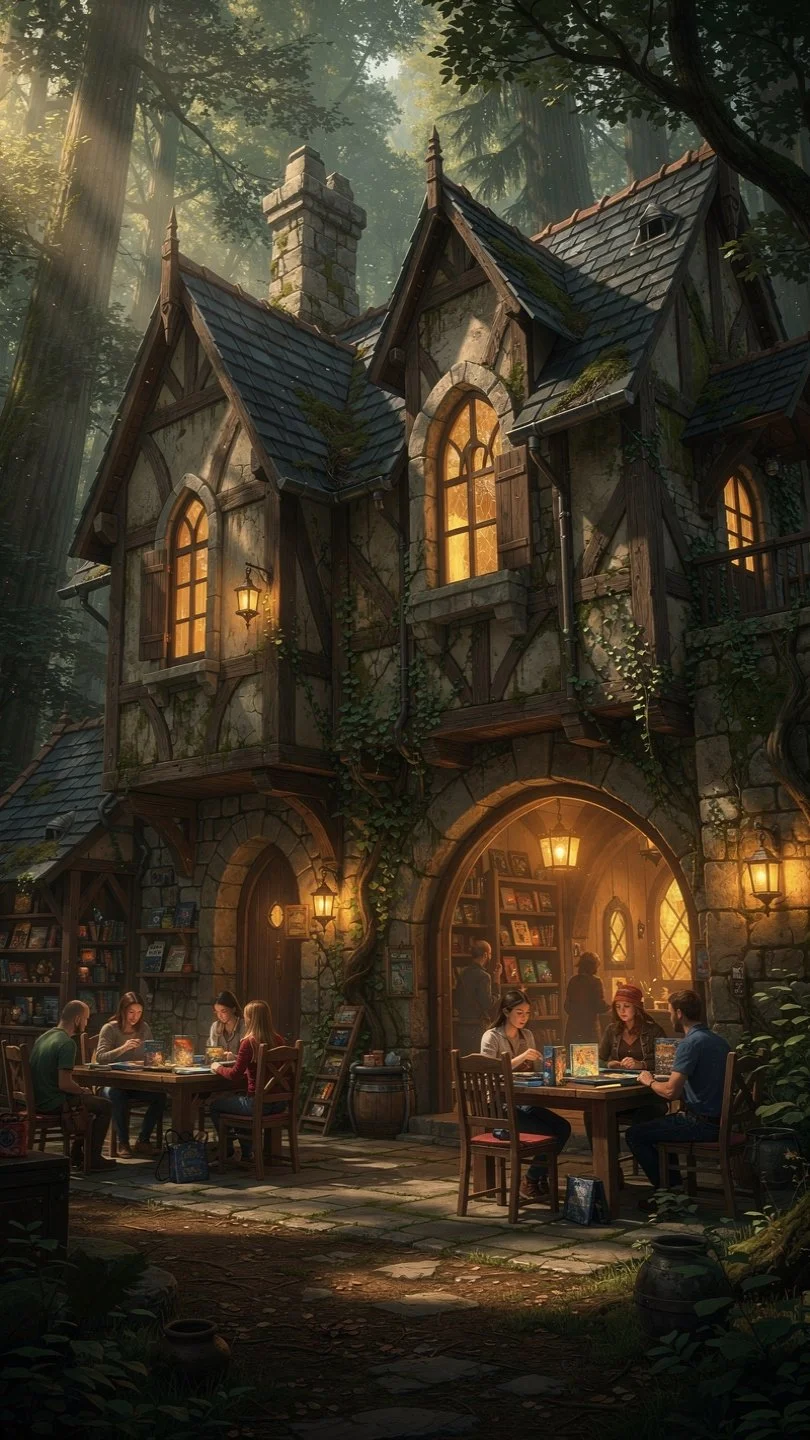
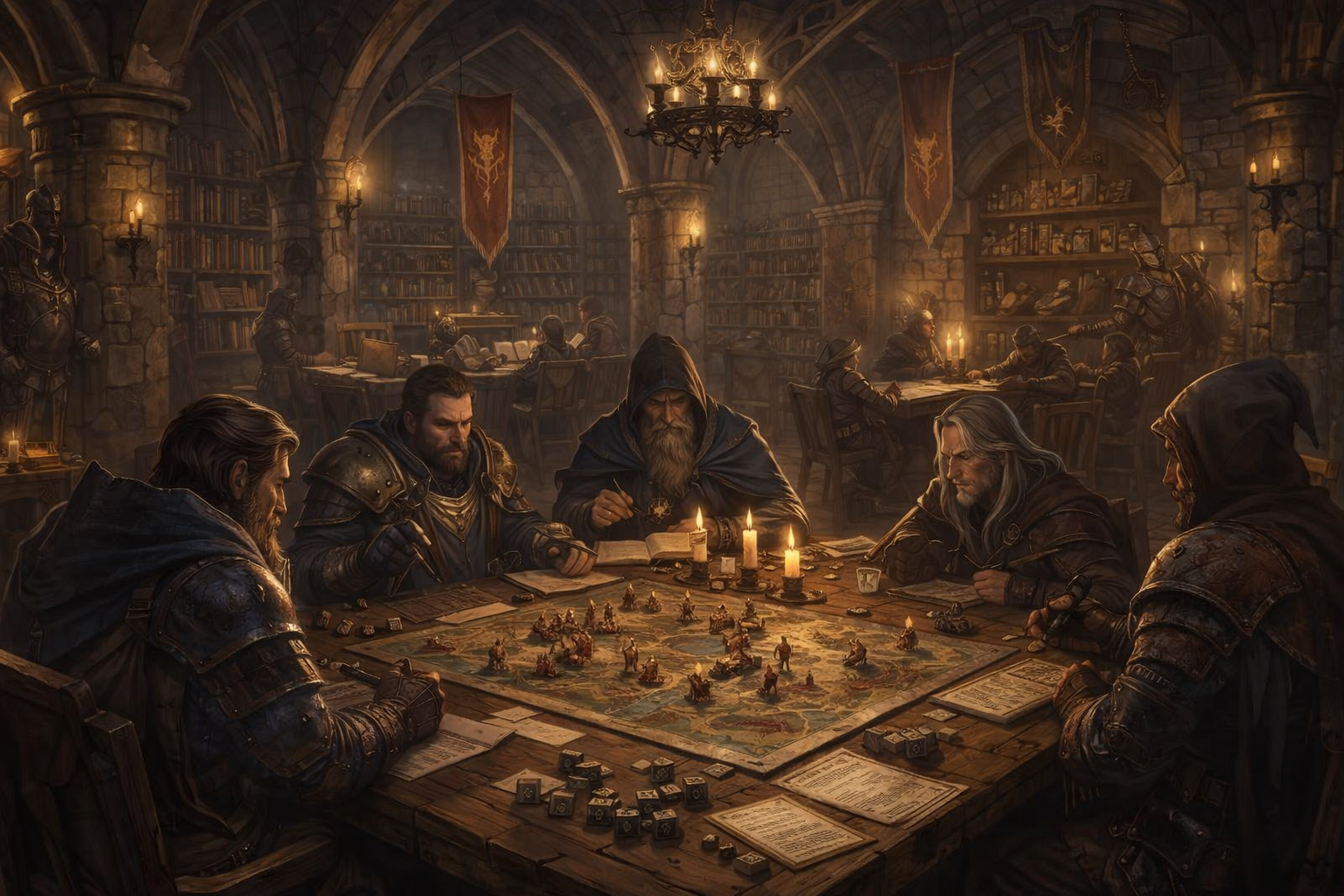
How the Tavern Network Keeps Growing Into a Better Way to Find Tabletop Venues, Communities, and Campaign Spaces
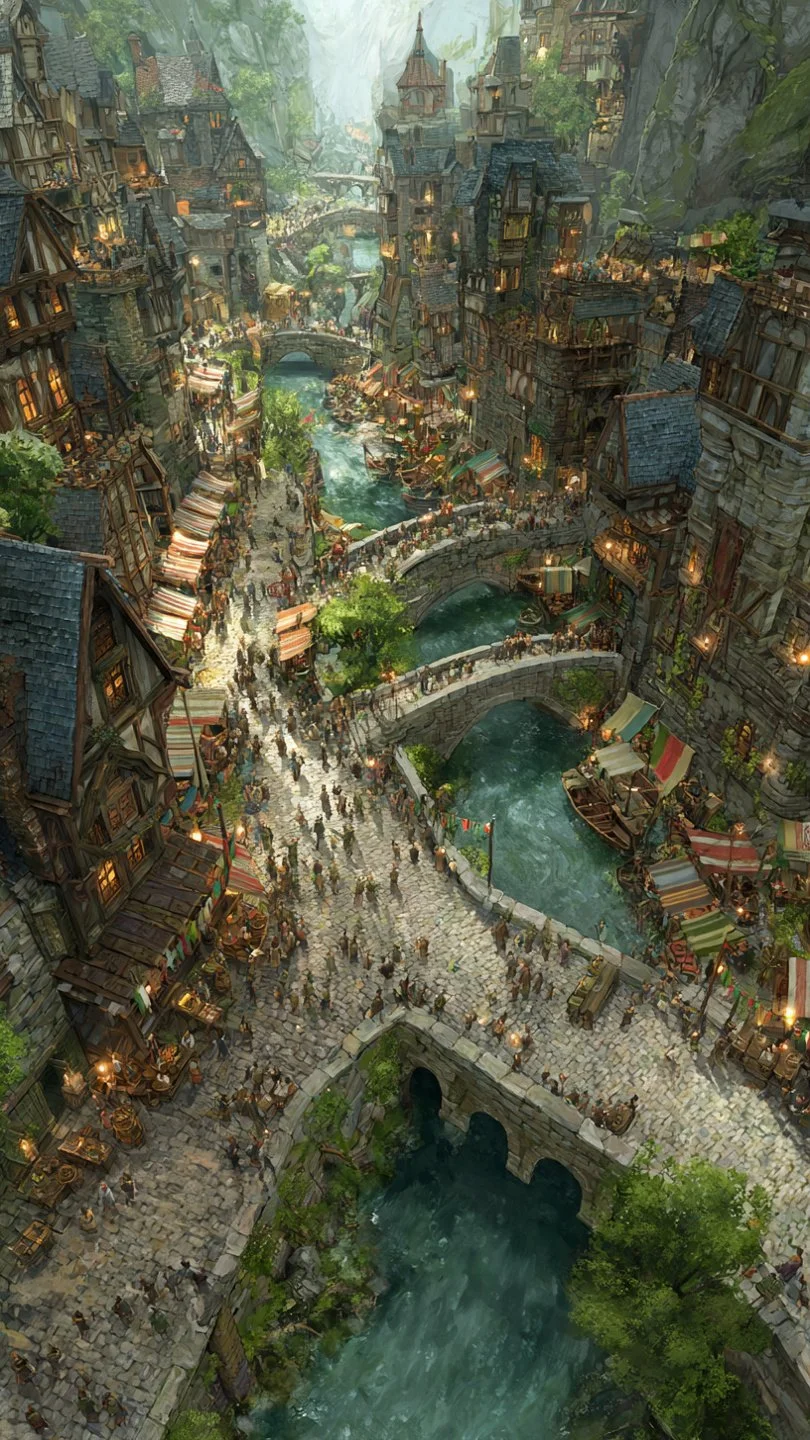
A good tabletop venue is more than four chairs and a table.
Any milk drinker can drag furniture into a room and call it a gaming space.
A real tabletop venue does something better.
It gives players a place to gather, GMs a place to run, beginners a place to learn, and long campaigns a place to survive.
That is why the Tavern Network keeps growing.
It is not just trying to list places.
It is trying to help adventurers find the right kind of places.
The Tavern Network Grows Around What Players Actually Need
Most players are not searching for “a venue” in the abstract.
They are searching for a place that solves a problem.
Maybe they need somewhere quieter.
Maybe their current table is too cramped.
Maybe their campaign keeps dying because nobody wants to travel across the city every week.
Maybe the group needs food, drinks, longer hours, easier transport, better seating, or a community that does not make newcomers feel like suspicious goblins at a royal banquet.
That is why the Tavern Network is useful.
It grows around real tabletop needs, not just names on a map.
A venue like The Missing Piece in West Seattle speaks to adventurers who enjoy café-style community gaming.
Meanwhile, Metro Seattle Gamers may appeal to players looking for deeper strategy roots, dedicated tabletop energy, and a more focused club-style environment.
Different venues serve different adventurers.
That is the whole point.
A Growing Network Means Better Choices for GMs
GMs do not just need a table.
They need a battlefield, a council chamber, a tavern corner, a haunted crypt, and a safe place for five tired adults to pretend they are heroic for a few hours.
A weak venue makes that harder.
A strong venue makes that easier.
That is why the Tavern Network connects naturally with guides like Top 7 Ways to Find a D&D Venue That Actually Supports Long Campaigns.
As the network expands, GMs gain more ways to compare the kinds of spaces that support recurring campaigns, quieter tables, stronger communities, and better long-term play.
A growing network means fewer blind guesses.
And fewer blind guesses means fewer campaigns lost to bad logistics before the story ever gets good.
A Growing Network Helps Players Find Their Kind of Table
Some players want cozy board game cafés.
Some want busy local game stores.
Some want late-night venues.
Some want casual communities.
Some want competitive spaces.
Some want places where beginners can sit down without feeling judged by five veteran rules lawyers in matching goblin cloaks.
The Tavern Network is built to help players find their kind of table.
That is why comparison-style guides like Casual Community Hubs vs Competitive Play Venues — Where Do Long Campaigns Survive Longer? are so valuable.
They help adventurers think beyond “Where is the nearest place?”
Instead, they ask better questions.
Will this space support my playstyle?
Will my group feel comfortable here?
Will the noise level help or hurt the campaign?
Will the community fit new players, veterans, casual groups, or competitive adventurers?
That kind of thinking saves time, money, and frustration.
The Tavern Network Makes Local Discoveries Feel Bigger
A single venue may seem small.
One game café.
One local store.
One club.
One community space.
But when those places are gathered into a growing network, they become easier to discover, easier to compare, and easier to support.
That is how a small venue becomes part of a larger tabletop map.
A player in Singapore might discover Me Café & Games Singapore.
A traveler in Germany might come across The Attic in Fürth or Games Island in Hof.
An adventurer in England might find Good Game Banbury or Sliced N Diced Birmingham.
A Parisian night owl might stumble across Majestik Games Paris.
Each listing strengthens the wider map.
Each article gives adventurers another path to a table worth trying.
The Tavern Network Can Grow Beyond Venues Too
Right now, venues are the foundation.
But tabletop culture is bigger than venues alone.
Players also need creators, tools, game aids, snacks, dice, accessories, artists, storytellers, publishers, and community builders.
That is why a growing Tavern Network can eventually become more than a place-finding tool.
It can become a wider discovery system for the tabletop hobby.
A place where adventurers find:
where to play
what to use
who to support
what communities to join
which spaces match their style
which local businesses are worth visiting
Not every adventurer needs the same thing.
A growing network makes room for that.
The Tavern Network Gets Better Every Time It Expands
The more the Tavern Network grows, the more useful it becomes.
More listings mean better discovery.
More guides mean smarter choices.
More regions mean more travelers, locals, students, expats, and wandering GMs can find somewhere to play.
More community-focused articles mean adventurers can stop choosing venues blindly and start choosing them with actual purpose.
Because that is the true value of the Tavern Network.
It helps players and GMs stop asking:
“Where can we play?”
And start asking:
“Where will this campaign actually thrive?”
By Grabgar’s old travel boots, that is a far better question.
More Tavern Network Goodness For Ya!