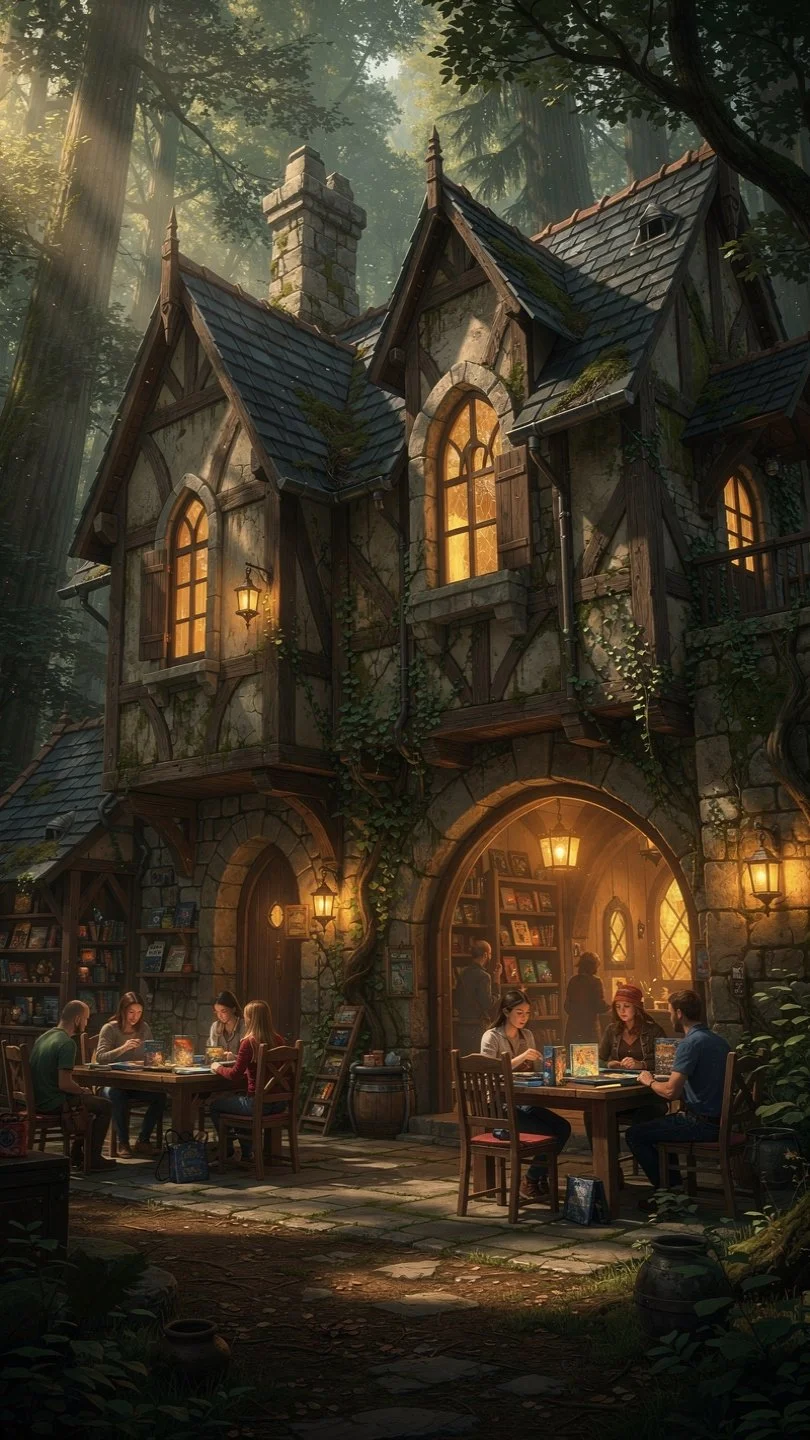
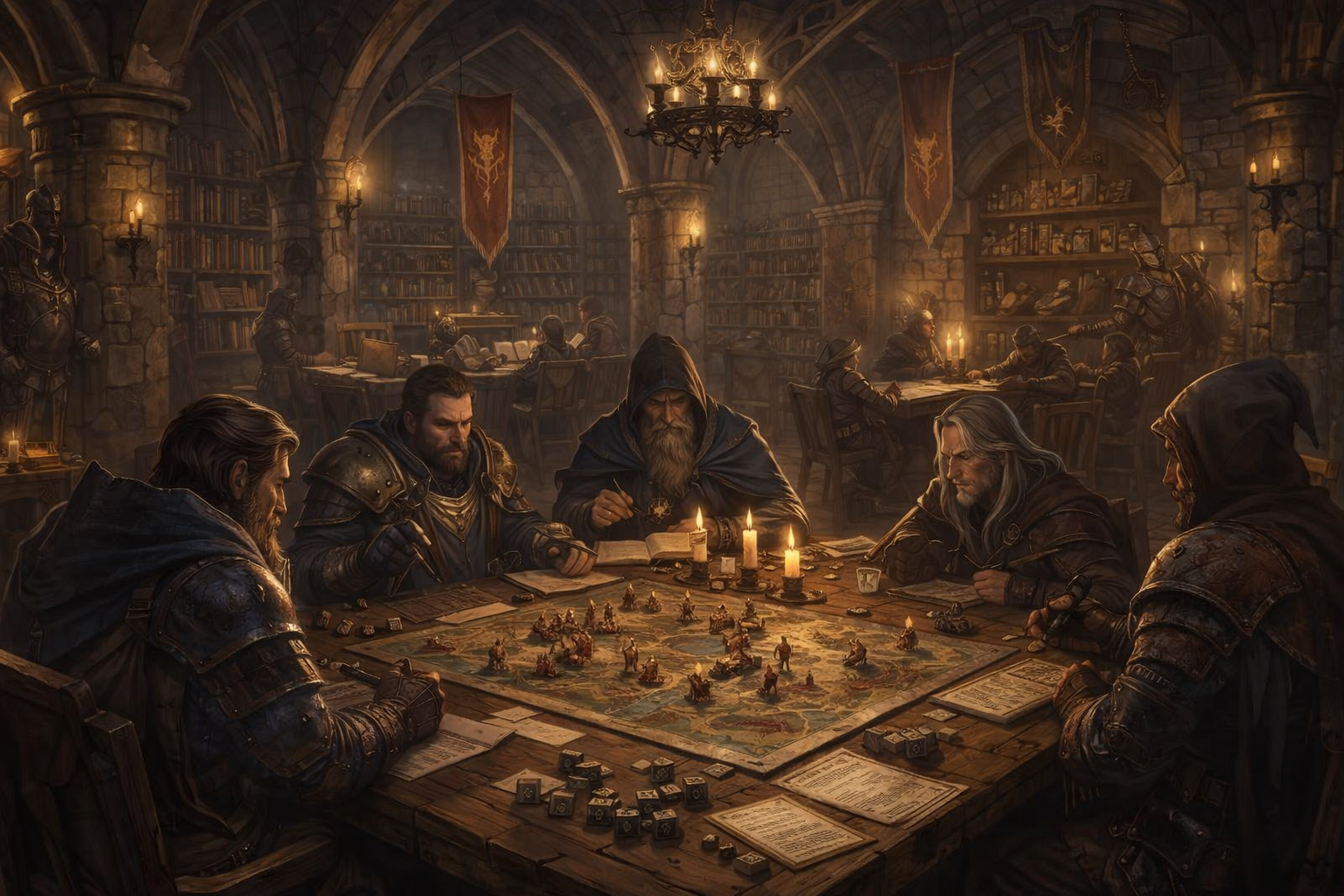
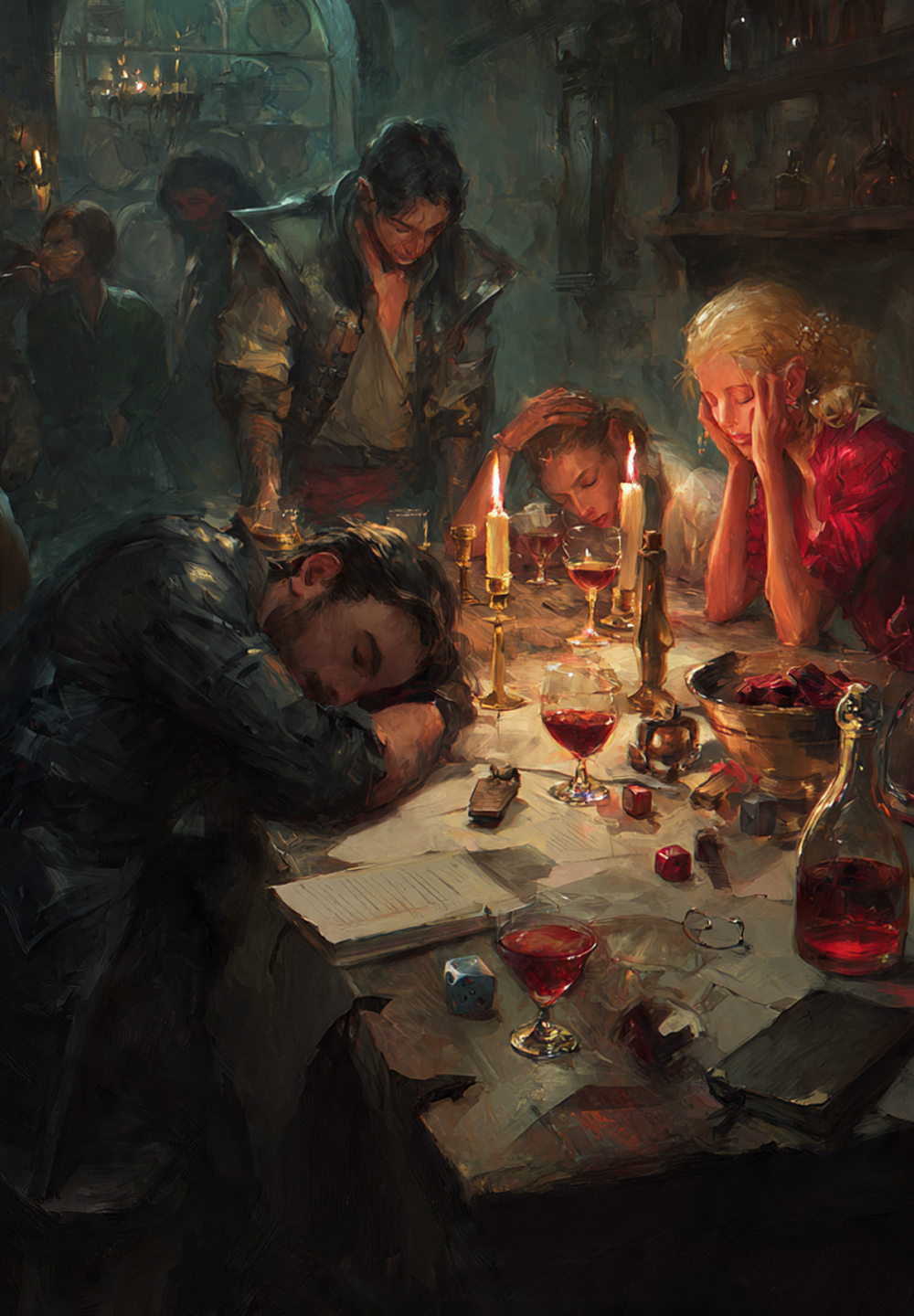
Most Adventurers Choose Their Table Wrong - Here’s What Smart GMs Do Instead
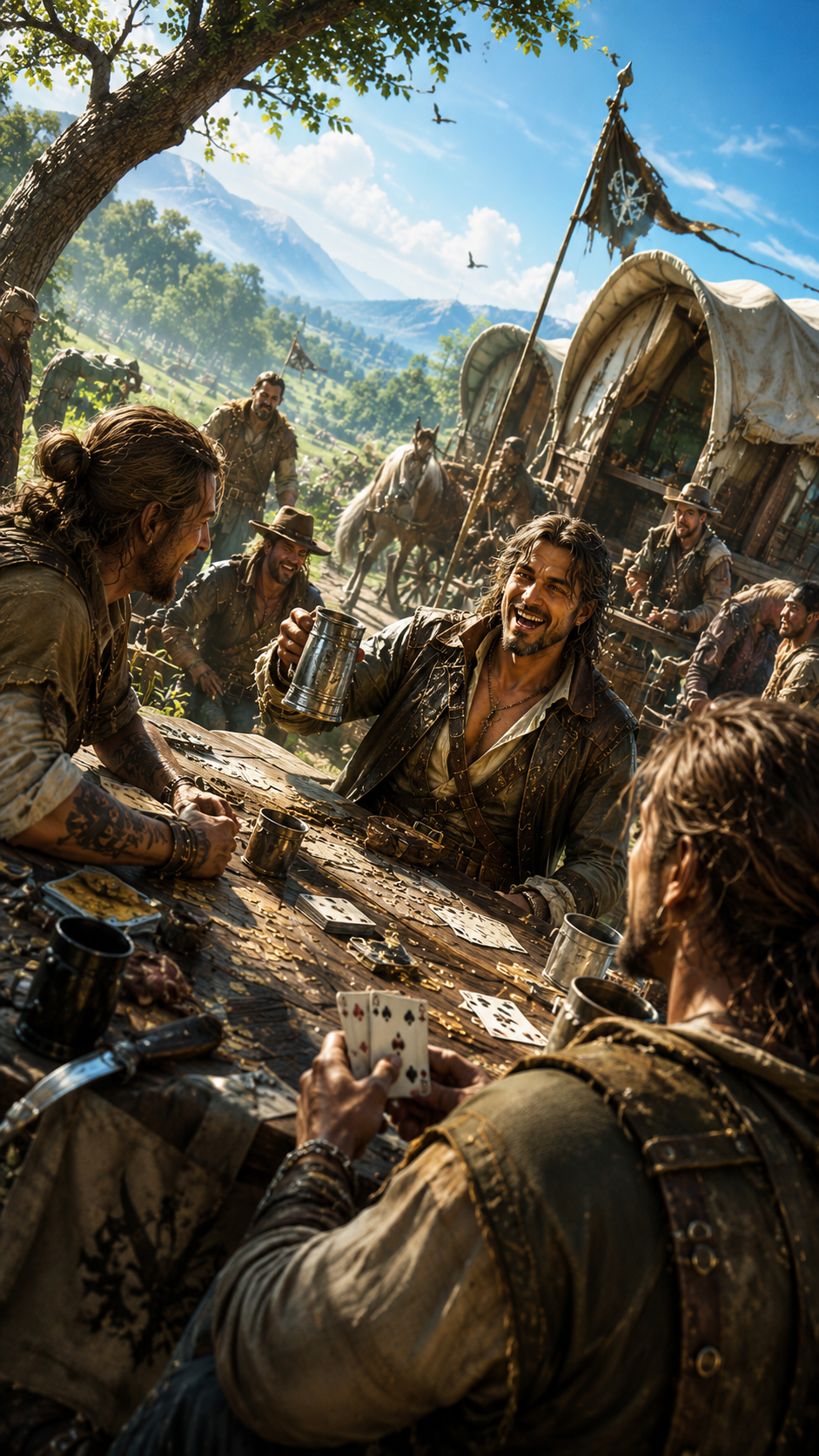
Most adventurers choose a tabletop venue the same way a hungry dwarf chooses stew.
Whatever is closest, warmest, cheapest, and least likely to poison them before sunset.
That works fine for a quick one-shot. It works less well for a campaign meant to survive months, years, betrayals, boss fights, scheduling disasters, and at least one player who keeps forgetting what their own spells do.
A smart GM does not just ask, “Where can we play?”
A smart GM asks, “What kind of table will help this campaign survive?”
That is a much better question.
Because the right venue is not just a location. It is part of the campaign’s foundation.
Start With the Campaign, Not the Map
The nearest venue is not always the best venue.
Before choosing a space, a GM should understand the kind of campaign they are actually running.
A slow, emotional, roleplay-heavy campaign needs a different environment from a loud monster-bashing beer-and-pretzels night. A beginner-friendly public table needs different support from a veteran tactical group. A serious long campaign may need quieter corners, reliable booking, good lighting, and enough table space for notes, maps, dice, books, and the emotional baggage of five tragic backstories.
This is where many groups go wrong.
They choose the room first.
Then they try to force the campaign to survive inside it.
That is backwards.
A better approach is to think through the campaign’s needs before the first session. What the Tavern Network can actually do before session one even begins is built around that same idea. A good table begins before anyone rolls initiative.
Match the Venue to the Party’s Energy
Some groups need noise.
Some need quiet.
Some players loosen up in busy café environments. Others shut down when the room gets too loud. Some tables thrive in competitive local game stores with constant activity. Others need a relaxed community hub where people can take their time and sink into the story.
Neither style is automatically better.
The trick is matching the venue to the party.
That is why Casual Community Hubs vs Competitive Play Venues matters so much. Long campaigns do not only depend on good rules, good players, or a good GM. They depend on whether the environment supports the rhythm of the group.
A party that wants deep roleplay may slowly wither in a space where every emotional scene gets drowned out by tournament shouting.
A party that loves chaos may feel trapped in a room so quiet every dice roll sounds like a crime.
Smart GMs choose for fit, not convenience alone.
Think About the Newest Player First
Veteran players can survive awkward rooms.
New players often cannot.
A first-time player walking into a crowded public gaming space is already dealing with enough. They are worried about rules, character sheets, table manners, social cues, and whether everyone secretly thinks they are playing badly.
The venue can either soften that fear or make it worse.
A smart GM looks for places that make new players feel safe asking questions. Good lighting. Enough space. Friendly staff. Clear expectations. A table that does not feel like a private war council guarded by smug goblins.
This is one reason How the Tavern Network helps players and GMs find better tables is useful. Good discovery is not just about finding any open table. It is about finding a place where the right players can actually feel welcome.
Check the Practical Details Before They Become Problems
Many campaign disasters are boring before they become dramatic.
The venue is too far for two players.
The chairs are uncomfortable after three hours.
The table is too small for maps.
The room gets too loud after 7 p.m.
There is nowhere safe for bags.
Food rules are unclear.
Bookings are unreliable.
Parking is awful.
Public transport is awkward.
None of these sound like grand campaign-ending villains. But they grind people down. Slowly. Quietly. Like a kobold with a dull spoon and too much patience.
A smart GM checks the practical details early.
Can everyone get there reliably?
Can the group afford it?
Can the venue support the session length?
Is the atmosphere stable enough?
Are staff comfortable with tabletop groups staying for several hours?
A campaign does not need luxury. It needs consistency.
Venues like ME Café & Games Singapore, Pixels & Pieces Singapore, and Reckenecke Dresden show how much a comfortable environment can matter when players are trying to keep a regular table alive.
Do Not Ignore the Venue’s Community
A venue is more than chairs and tables.
It has a culture.
Some places are beginner-friendly. Some are competitive. Some are social. Some are quiet. Some are mostly card game hubs. Some lean toward board games. Some naturally attract campaign players. Some are better for one-shots and casual drop-ins.
A smart GM pays attention to the people already there.
Do regulars seem welcoming?
Does the staff understand tabletop play?
Are there other campaign groups nearby?
Is the space friendly to newcomers?
Would yer players feel comfortable returning here without ya dragging them by the cloak?
This is where a venue like Meeples Games or Phoenix Comics & Games Seattle becomes more than a location. A strong community around the table can help players feel anchored.
And anchored players are more likely to come back.
Plan for Month Six, Not Just Session One
The biggest mistake many GMs make is choosing a venue that works once.
Session one goes fine.
Everyone is excited.
The novelty carries the night.
Then reality arrives.
By session six, someone is tired of the commute. By session ten, the noise is irritating. By session fifteen, the group has outgrown the space. By session twenty, one player quietly stops coming because the whole arrangement feels like more trouble than it is worth.
Smart GMs think beyond the first gathering.
Can this venue support the campaign long-term?
Will the group still like coming here three months from now?
Can the venue handle recurring sessions?
Does the environment match the emotional weight of the campaign?
Does it help the party focus, relax, and return?
That is the deeper reason the Tavern Network keeps growing into a better way to find tabletop venues, communities, and campaign spaces. Long campaigns need more than open chairs. They need reliable places where stories can take root.
The Smart GM Protects the Table Before Trouble Starts
A smart GM is not just a storyteller.
A smart GM is also a steward of the table.
That means thinking about comfort, access, atmosphere, group chemistry, venue culture, and sustainability before problems appear.
Not because every campaign needs perfect conditions.
They do not.
Adventurers can survive plenty of rough roads.
But if ya can choose a better road before the wagon breaks, why would ya charge straight into the ditch like a tavern goblin with a stolen helmet?
The right venue will not guarantee a great campaign.
But it gives the group a better chance.
And sometimes, that is the difference between a campaign that fades after three sessions and one that becomes part of everyone’s life for years.
More Tavern Goodness For You!