
How to Teach Tactics to Players Without Lecturing Them
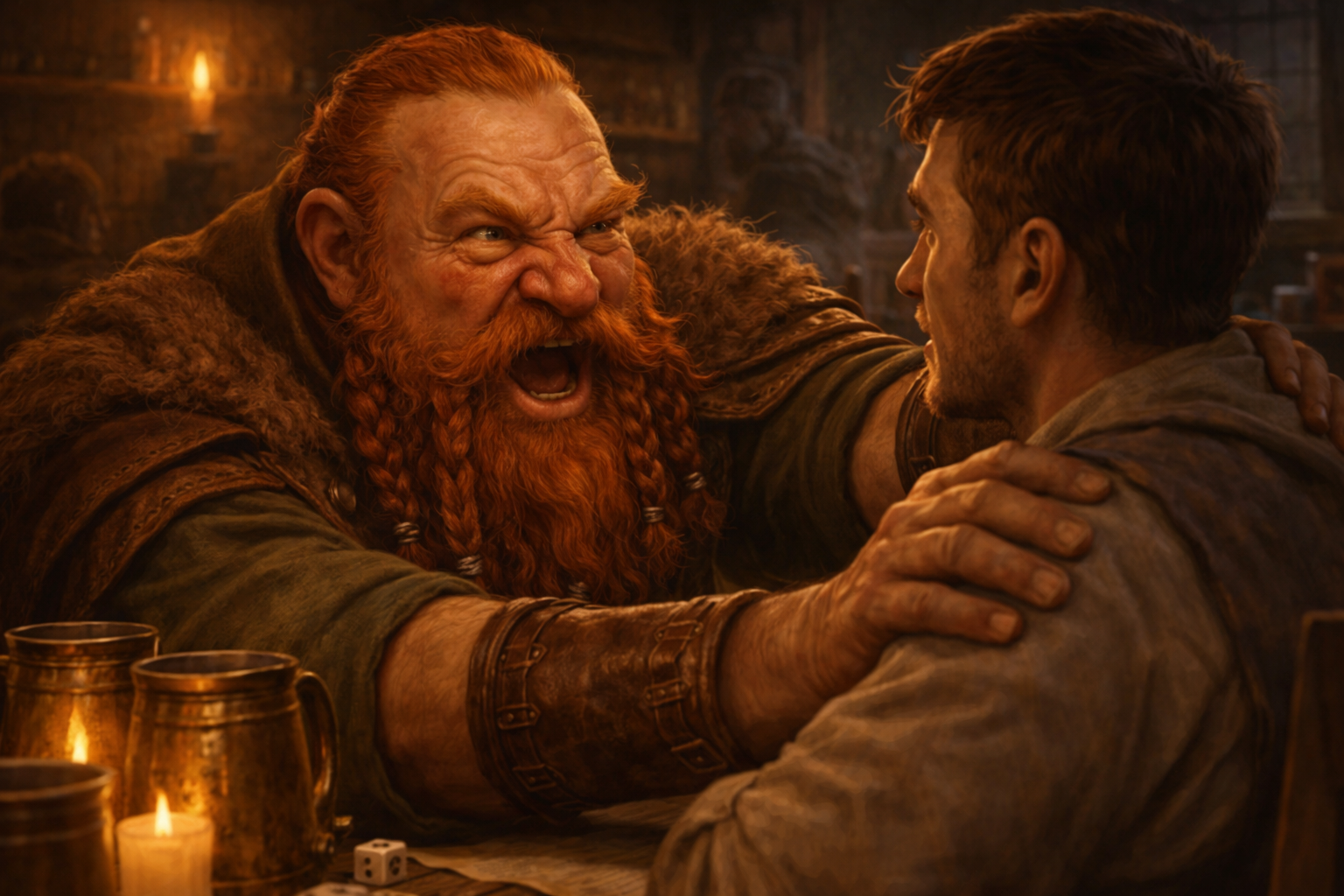
Nothing shuts a table down faster than a GM explaining tactics at the players. Even when you’re right. Even when they’re struggling. The moment it feels like a lesson instead of a game, people stop experimenting and start playing scared.
Good GMs don’t teach tactics with speeches. They teach them with consequences, patterns, and permission to learn the hard way without being humiliated. This is GM Wisdom because the goal isn’t smarter players. It’s confident players.
Why Lecturing Never Works
Lectures fail because they remove ownership.
When you tell players what they should have done, you’re answering a question they didn’t ask yet. You’re also implying that there was a “correct” way to play and they missed it. Even gentle advice can land like judgment when it comes after a bad fight.
Players don’t internalize tactics they’re told. They internalize tactics they discover.
If your combats are already feeling stiff and over-managed, that’s a warning sign. When every battle feels like a board meeting with dice explains how easily that tone creeps in.
Teach Through Enemy Behavior, Not GM Commentary
The cleanest way to teach tactics is to let enemies model them.
Have enemies:
Take cover intelligently
Focus fire when a target overextends
Disengage instead of standing still
Protect vulnerable allies
Players notice patterns faster than advice. When they see enemies succeed with positioning and teamwork, they start copying it naturally.
This works because it doesn’t single anyone out. The lesson belongs to the world, not the GM.
Reward Smart Play Loudly and Clearly
If you want players to repeat a tactic, reward it visibly.
When a clever maneuver pays off, call attention to the outcome, not the intelligence behind it. Say what changed in the fiction. Say how the battlefield shifts. Let success feel tangible.
“You flank the brute, and suddenly it can’t keep both of you in sight. Its guard breaks.”
That kind of feedback teaches without instruction. Players connect cause and effect on their own.
If you find yourself tempted to explain why something was smart, pause. Let the table savor the win first.
Mike Interrupts With Tavern Wisdom
“By Brunlin’s missing eyebrow, I’ve watched more than one GM wag a finger like a schoolmaster while the table wilted. Listen here, lad. Folk don’t learn by bein’ told they’re daft. They learn when the floor shifts under ’em and they realize, ‘Ah. That worked.’ Let the world do the teachin’. Ye just keep pourin’ the ale.”
Use Low-Stakes Fights as Classrooms
Not every encounter should be deadly. Some fights exist to teach.
Early or side encounters are perfect places to introduce mechanics gently. A narrow bridge teaches positioning. A skirmish with reinforcements teaches speed. A fragile enemy with strong allies teaches target priority.
Because the stakes are lower, players feel free to experiment. That freedom is where learning happens.
If every fight threatens catastrophe, players won’t test new ideas. They’ll cling to habits, even bad ones.
Let Failure Hurt, But Not Shame
Failure is a powerful teacher, but only if it feels fair.
When players make a poor tactical choice, let the consequence land. Don’t soften it. Don’t explain it away. Just make sure the cause is clear.
What you don’t do is pile on commentary afterward.
If the table can point to the moment things went wrong and say, “Yeah, that was the mistake,” you’ve taught the lesson successfully.
If tension is already present at your table, this balance matters even more. Why your party keeps falling apart and how to stop being the reason is worth revisiting before using pain as a teaching tool.
Encourage Table Talk, Not GM Talk
One of the best signs that players are learning tactics is when they start advising each other.
Create space for this. Allow brief discussion. Don’t punish hesitation immediately. Let players ask questions of one another in character or out.
When tactics come from peers instead of authority, they stick.
If you shut this down in the name of pacing, you may be cutting off the learning process right as it starts.
The GM’s Teaching Checkpoint
Before you explain anything, ask yourself:
Can the environment show this instead?
Can an enemy demonstrate it?
Can I reward the behavior I want to see?
If the answer to any of those is yes, don’t lecture.
If you want to sharpen your instincts here without overcorrecting, top 5 ways to up yer GM game without tearin’ the whole thing down keeps the focus on subtle improvement.
If you’re newer to the tavern, understanding the house approach helps everything else click. Start with about Mike’s Tavern or skim the FAQ to get your bearings.
Why This Builds Better Players Long-Term
Players taught through play become adaptable. They don’t just learn what to do. They learn when to do it.
They stop asking for permission. They start reading the room, the battlefield, and each other.
That’s the kind of table that survives rough nights and grows stronger over time.
Mike’s Final Say From the Bar
“Look here, lad. If ye have to explain a tactic, ye’ve already missed a chance to show it. Let ’em trip. Let ’em recover. Let ’em figure it out with bruises and laughter. Do that, and by Grabgar’s hammer, they’ll outgrow yer lessons and thank ye for it.”
If this helped you rethink how you guide your table, don’t keep it to yourself. You can always reach out through the contact page or keep wanderin’ the GM Wisdom shelves. There’s always another quiet trick waitin’ for the right moment behind the screen.
