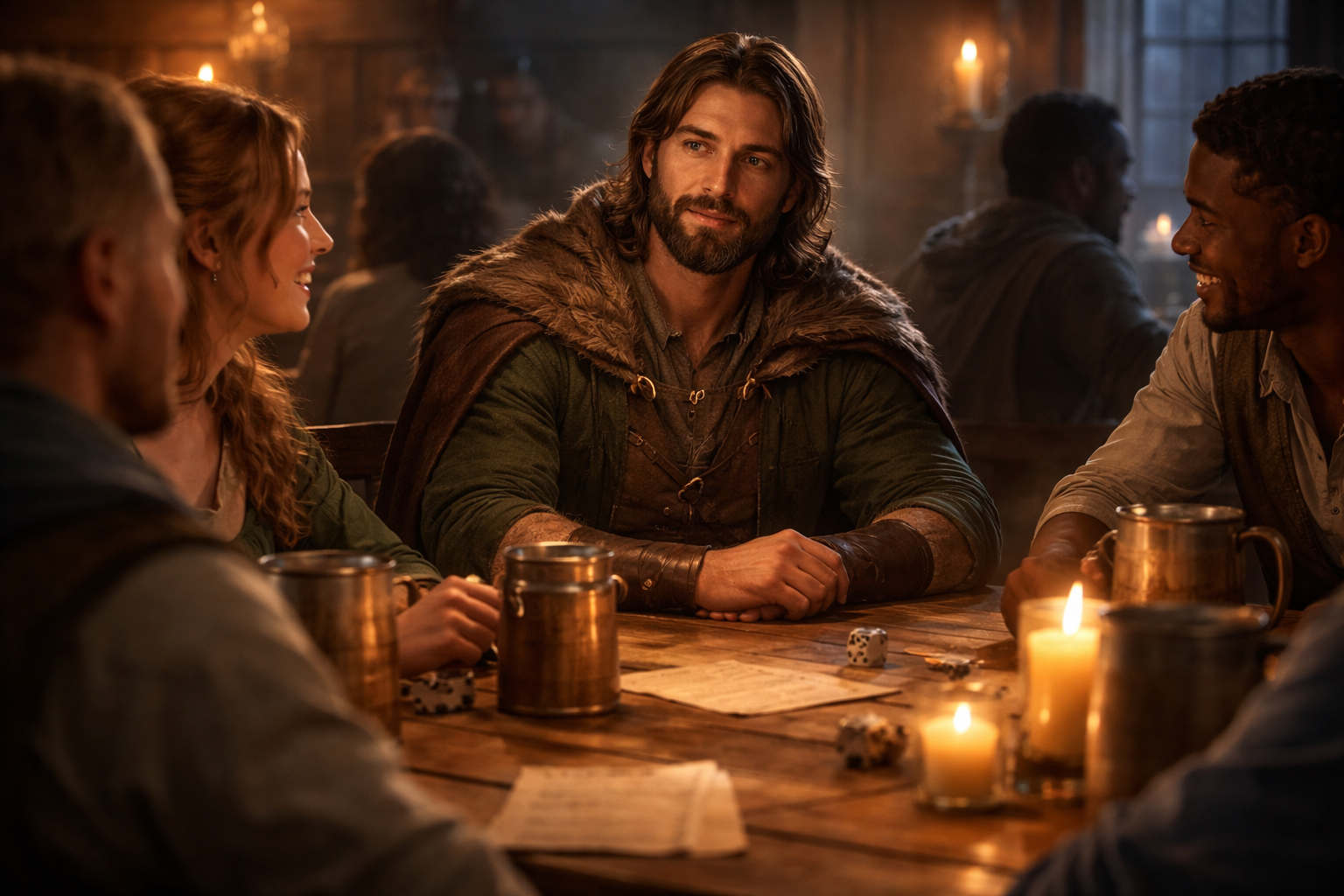
How to Share a Tabletop Space Without Driving Yer Party Mad
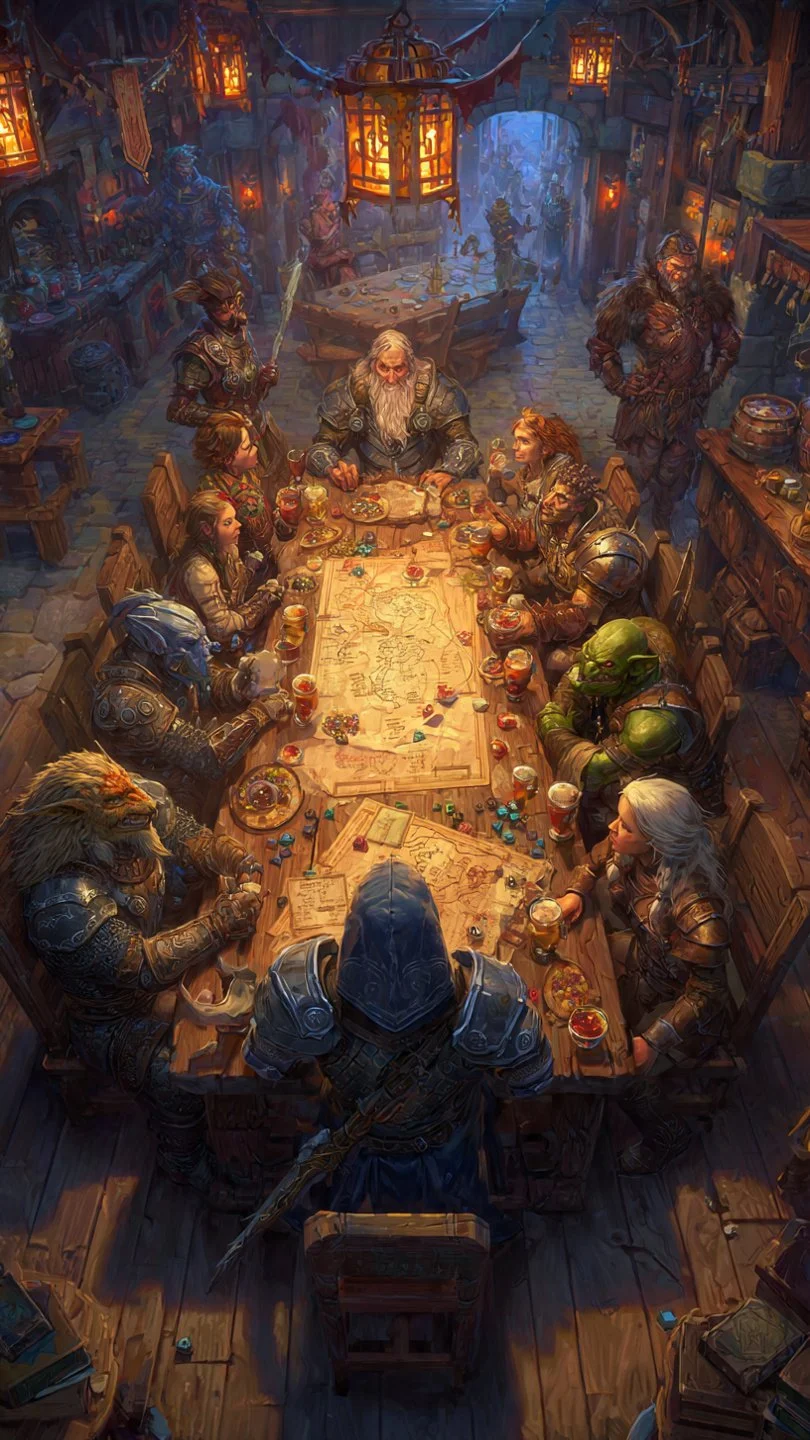
A tabletop campaign is not just built on dice, character sheets, and dramatic speeches shouted at imaginary dragons.
It is also built on tiny acts of cooperation.
Who gets elbow room at the table. Who keeps interrupting. Who leaves food crumbs everywhere. Who talks over roleplay scenes. Who keeps stacking books directly on top of somebody else’s character sheet like a tavern ogre trying to build a fortress out of snack wrappers.
Most groups do not collapse because of one giant disaster.
They slowly wear down through dozens of small frustrations that pile up session after session.
Public gaming spaces make this even more important. Whether yer group is playing at a local café, a community hub, a game store, or a dedicated tabletop venue, sharing space properly is one of the hidden skills that separates healthy long-running groups from campaigns constantly hanging by a thread.
Respect the Physical Space Around Ya
Tabletop gaming takes up more room than most people realize.
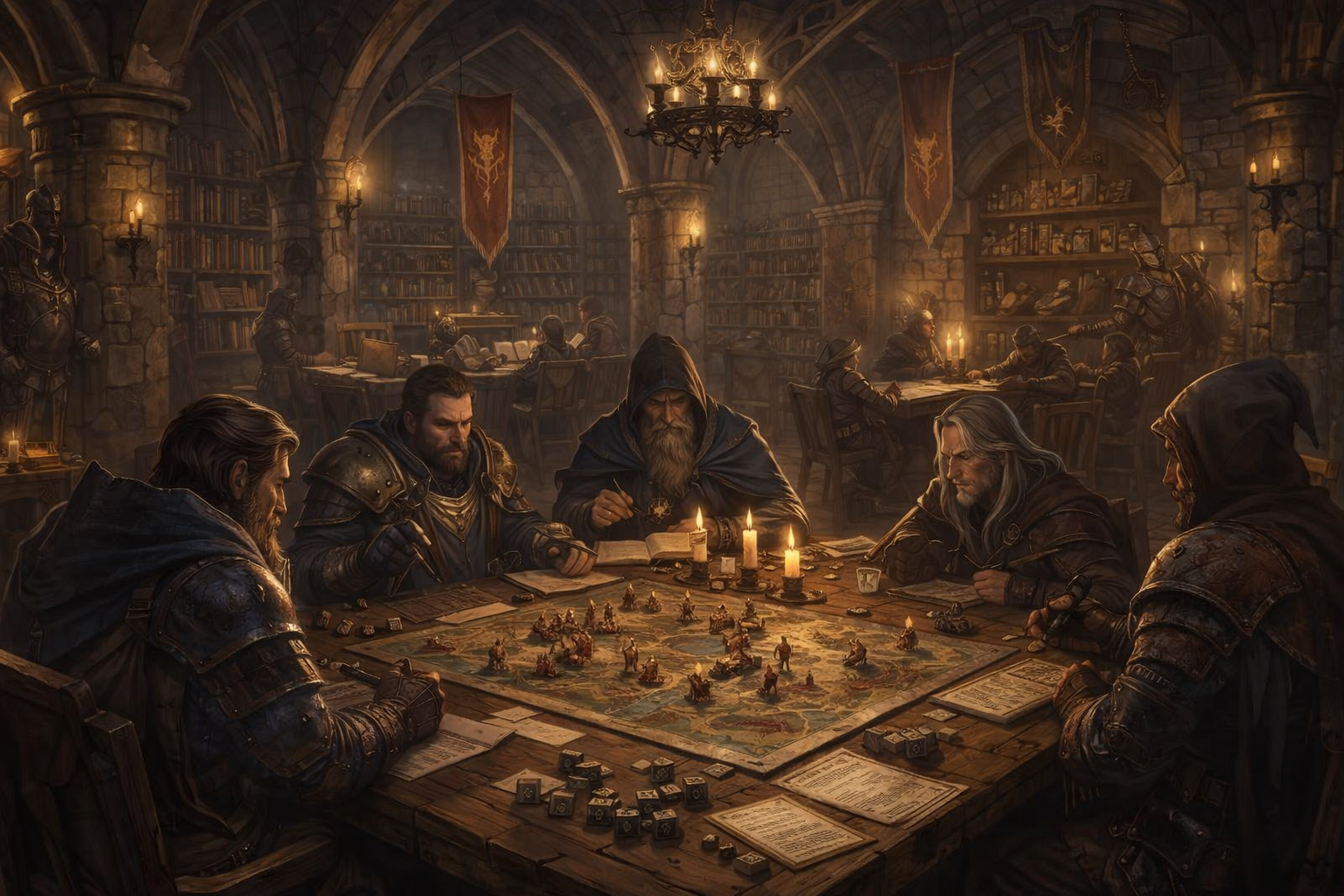
Books. Dice trays. Miniatures. Snacks. Drinks. Character sheets. Laptops. Battle maps. Terrain pieces. Phone chargers tangled like cursed vines across the edge of the table.
It gets crowded quickly.
One of the easiest ways to improve a campaign is simply staying aware of how much space yer own pile of belongings is consuming. A player spreading across half the table without noticing quietly creates tension for everybody else.
Good players make room.
They organize their things. They avoid blocking walkways. They keep drinks in safer spots. They understand that public venues are shared environments, not private castles.
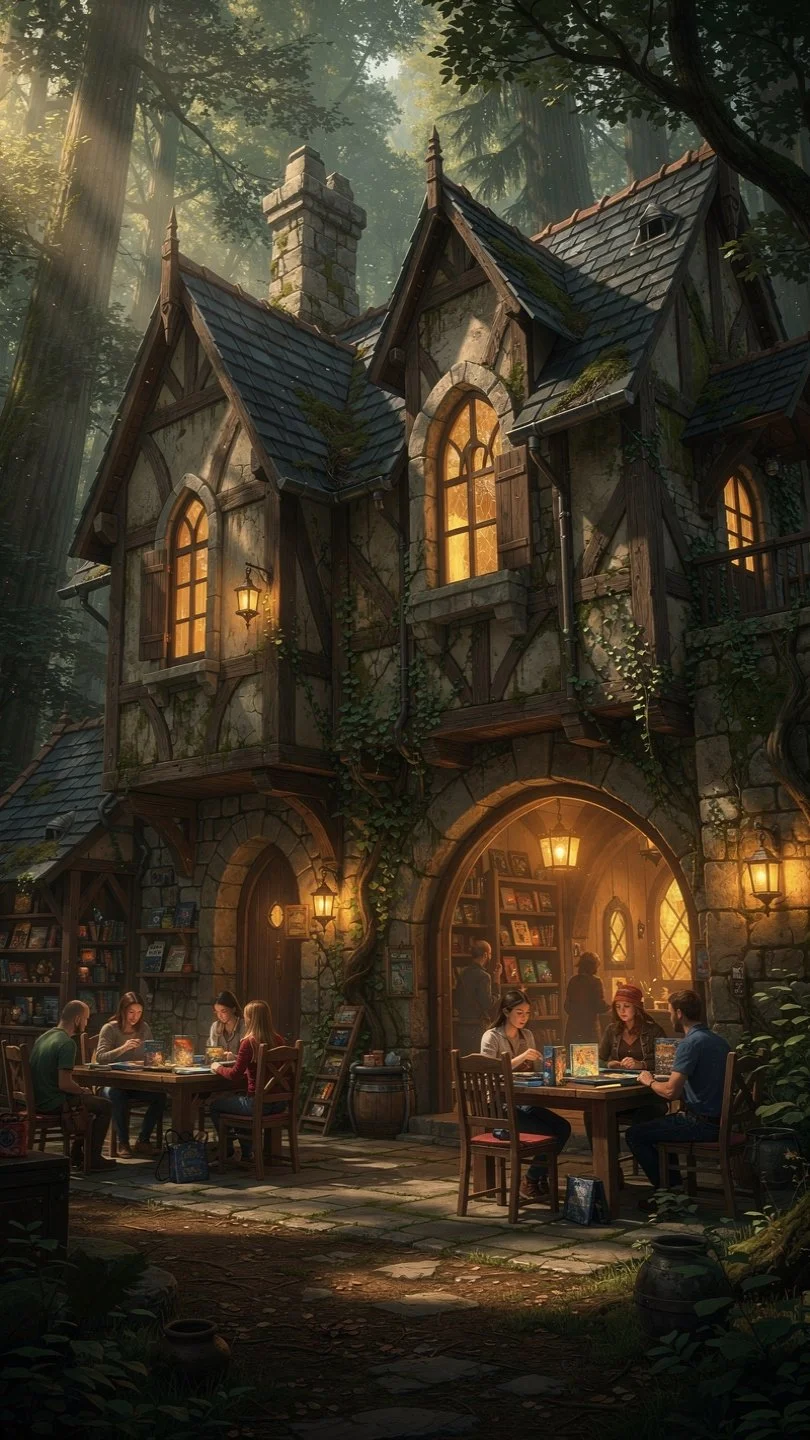
This is one reason good tabletop venues matter so much in the first place. Spaces like ME Café & Games Singapore, Pixels & Pieces Singapore, and Reckenecke Dresden work because the environment supports shared comfort instead of constant friction.
Food Etiquette Matters More Than Players Admit
Every tabletop group eventually faces the ancient enemy known as “greasy fingers touching the minis.”
Food is part of tabletop culture. Shared snacks, drinks, coffee runs, and meal breaks often become some of the best memories in long campaigns.
But there is a difference between relaxed eating and turning the table into a battlefield of crumbs, spills, and sticky dice.
If ya are eating messy food, bring napkins.
Do not touch another player’s books or miniatures with oily hands.
Do not leave garbage behind for the venue staff or the GM to clean up afterward.
And by all the battered tankards in the Tavern, warn people before opening something with an overwhelming smell in a packed gaming room.
Public gaming venues survive because players help maintain the atmosphere instead of quietly wrecking it.
That is part of why How the Tavern Network Keeps Growing Into a Better Way to Find Tabletop Venues, Communities, and Campaign Spaces matters. Healthy spaces survive when communities actively protect them.
Stop Interrupting Every Scene
Some players do not realize how often they interrupt until somebody points it out.
They comment during every emotional moment. They crack jokes over dramatic reveals. They answer questions directed at other players. They fill every silence immediately because silence feels uncomfortable.
But tabletop pacing needs breathing room.
Not every moment requires noise.
Sometimes the GM is building tension. Sometimes another player is trying to roleplay something meaningful. Sometimes quieter players are gathering courage to finally speak up.
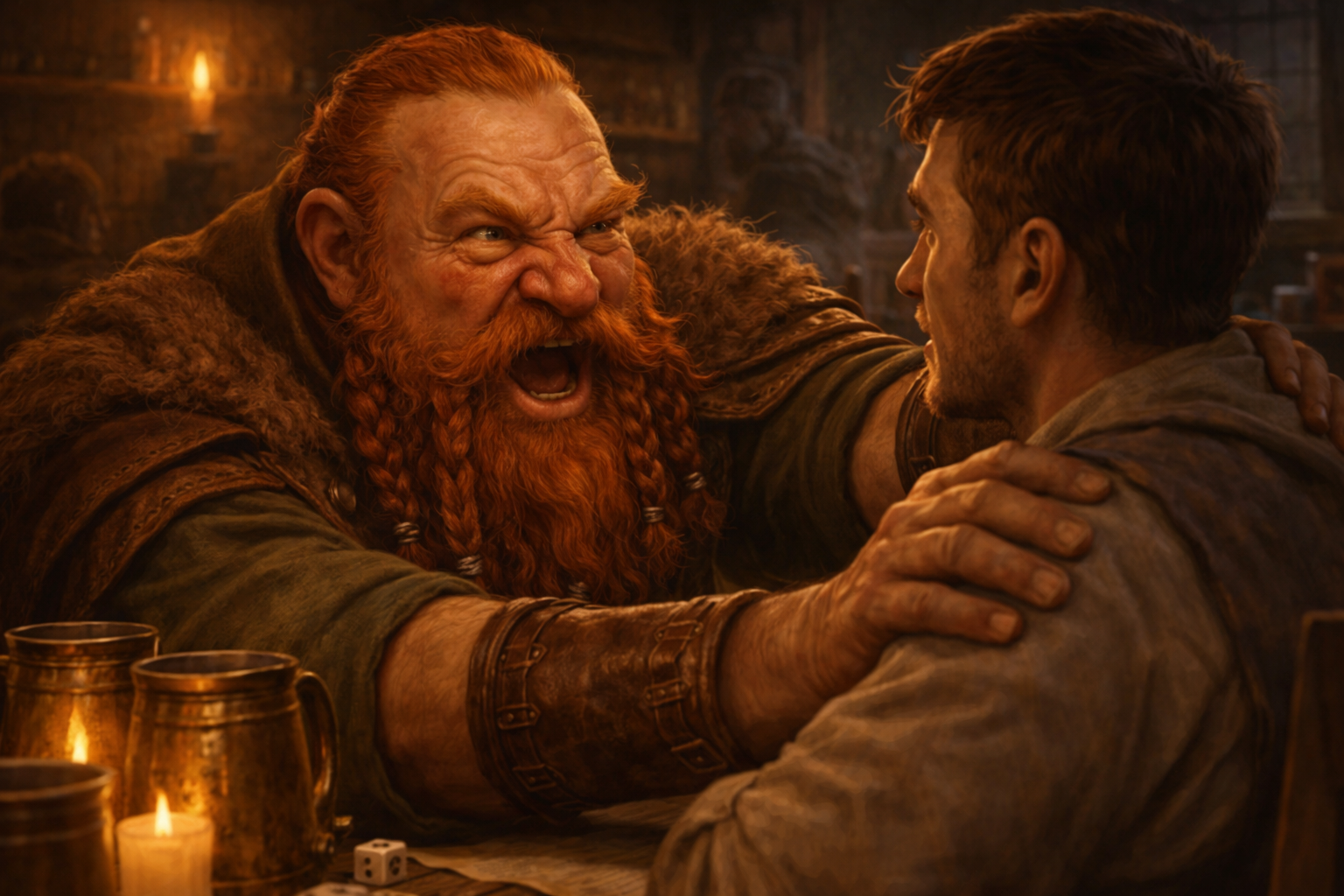
A campaign becomes exhausting when one or two players dominate every moment without realizing it.
Articles like When the Loudest Player Starts Running the Table exist because this issue destroys more campaigns than most groups admit openly.
The strongest players are not always the loudest.
Often, they are the ones most aware of everybody else at the table.
Respect the Venue Staff Too
Public tabletop venues are not magical infinite resources.
Staff members are managing customers, food service, bookings, cleaning, inventory, and multiple groups at once. A respectful gaming group makes their job easier instead of harder.
That means following venue rules.
Do not block aisles with bags.
Do not shout across the room.
Do not leave tables filthy.
Do not occupy massive spaces for six hours while treating the venue like free rent.
Places like Phoenix Comics & Games Seattle and Meeples Games become community strongholds because players and staff work together to keep the atmosphere welcoming.
A good venue remembers respectful groups.
So do the other players sharing the room.
Share Attention, Not Just Space
Tabletop etiquette is not only physical.
It is social too.
Good players notice when somebody has not spoken for a while. They make room for newer players to contribute. They avoid turning every problem into a solo performance piece starring their own character.
Campaigns survive because groups feel collaborative.
Once players start fighting for attention instead of sharing it, the atmosphere slowly turns exhausting.
This becomes especially important in public campaigns where strangers are still learning how to interact comfortably together. What the Tavern Network Can Actually Do for Yer Campaign Before Session One Even Begins touches on this exact problem. The right environment often prevents social tension before it ever begins.
Good Tabletop Spaces Feel Comfortable, Not Competitive
The healthiest gaming groups understand something important.
The table itself is part of the game.
Comfort matters.
Atmosphere matters.
Respect matters.
The best campaigns rarely happen because every player is a perfect roleplayer or tactical genius. They happen because the group creates an environment where people actually want to return next week.
That means sharing space properly.
That means respecting the venue.
That means understanding that tabletop gaming is cooperative long before initiative is rolled.
Because once a table starts feeling stressful instead of welcoming, even great campaigns begin to crack.
More Tavern Goodness For You!