Why Loud Players Quietly Kill Great Campaigns in Public Gaming Spaces
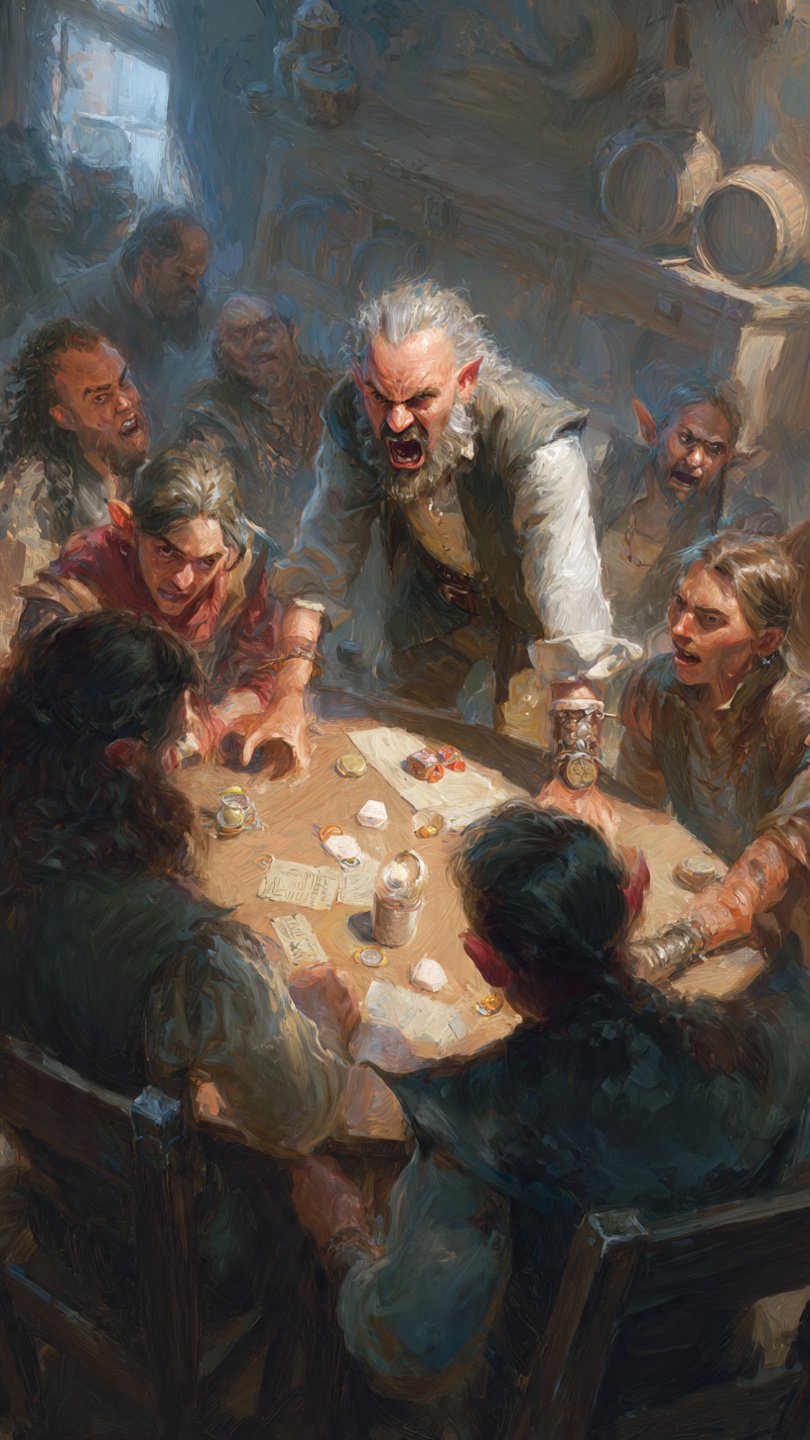
Most players think a bad tabletop campaign dies because of rules arguments, scheduling disasters, or a GM burnout spiral that finally snaps like an overworked bridge rope.
Sometimes that happens.
But many campaigns die much slower than that.
They die through exhaustion.
Not the dramatic kind. The quiet kind.
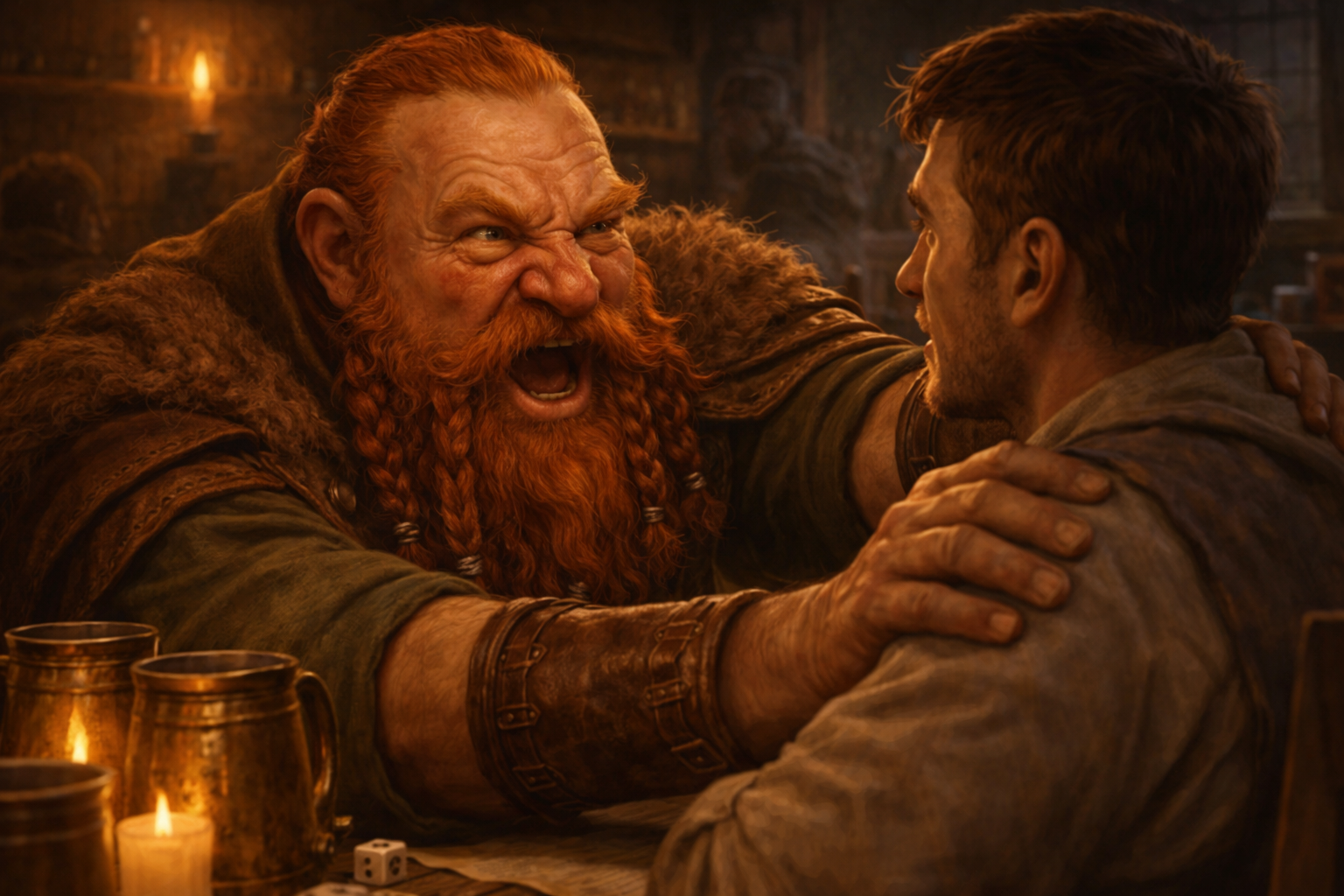
The kind caused by one player constantly talking over scenes, interrupting emotional moments, dominating conversations, shouting jokes across the table, and turning every tense situation into noise instead of atmosphere.
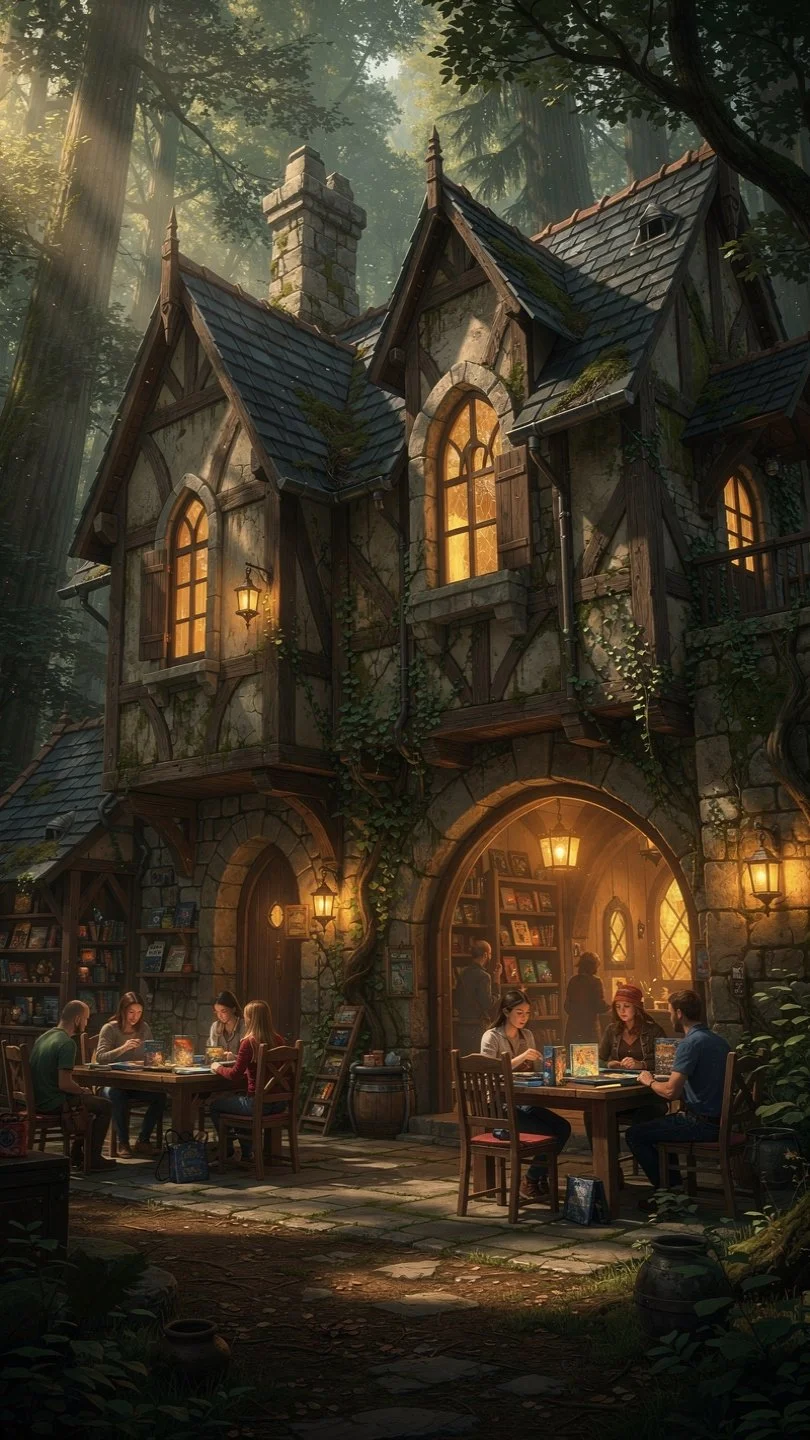
Public gaming spaces suffer from this especially hard because they are built on shared attention. A campaign running inside a board game café, local game store, or community gaming venue depends on players respecting not just their own table, but the entire room around them.
A loud player rarely notices the damage immediately.
Everybody else does.
Loud Does Not Always Mean Mean-Spirited
Most loud players are not villains.
Some are excited. Some are nervous. Some are trying too hard to entertain the group. Some mistake constant energy for leadership. Others panic during silence and feel the need to fill every gap with jokes, commentary, or side chatter.
The problem is not enthusiasm.
The problem is imbalance.
A tabletop campaign works because players build rhythm together. Quiet roleplay moments matter because they create contrast. Suspense matters because players are allowed to focus. Emotional scenes matter because players feel safe enough to lean into them without somebody screaming memes across the table like a tavern bard who drank lamp oil.
In public spaces especially, volume spreads outward. One chaotic table can accidentally wreck immersion for several nearby groups.
That is part of why healthy venues matter so much. Articles like Casual Community Hubs vs Competitive Play Venues — Where Do Long Campaigns Survive Longer? explore how venue atmosphere quietly shapes campaign survival more than most adventurers realize.
Public Gaming Spaces Need Shared Awareness
A private home game has more room for chaos.
A public tabletop venue does not.
Places like Pixels & Pieces Singapore, ME Café & Games Singapore, and Univers Parallèle Toulouse work because players collectively maintain an atmosphere where multiple groups can coexist without turning the whole building into a goblin siege.
That means understanding when the volume has drifted too high.
It means noticing whether nearby tables are struggling to hear each other.
It means understanding that not every moment needs a shouted punchline.
The best public gaming groups are not silent. They are controlled.
They know when to explode into laughter and when to let tension breathe.
Loud Players Quietly Push Quieter Players Out
One of the saddest things in tabletop gaming is how often quieter players slowly disappear without saying why.
They stop roleplaying.
They speak less.
They disengage.
Then eventually they leave.
Often, it is not because the campaign itself was bad. It is because competing for attention became exhausting.
A single loud player can accidentally dominate an entire table simply through interruption frequency. Even kind players can do this without realizing it. They jump into every silence. They react to every sentence. They answer questions meant for others. They override emotional pacing before scenes can land properly.
Over time, the quieter players stop fighting for space.
This becomes especially dangerous in public campaigns where new players are still building confidence. How the Tavern Network Helps Players and GMs Find Better Tables Without Wasting Weeks Searching matters partly because table atmosphere determines whether players feel welcome enough to stay.
A healthy campaign is not built by the loudest person at the table.
It is built by a table where everybody gets room to exist.
GMs Carry This Burden More Than Players Realize
Loud players exhaust GMs faster than most people understand.
A GM already manages pacing, rules, atmosphere, story hooks, initiative tracking, NPCs, improv, and emotional energy across an entire group. Constant interruption forces them to spend even more energy regaining focus and re-centering scenes.
Some GMs handle this gracefully for months.
Then one day the campaign quietly ends.
Not because of one giant disaster.
Because maintaining control became tiring.
Articles like When the Loudest Player Starts Running the Table and When Yer Table’s Crumblin’ and Yer Torch Is Burnin’ Low exist for a reason. Many long-term campaign problems are not mechanical. They are social exhaustion disguised as “group chemistry issues.”
The Best Tables Control Their Energy Together
Strong tabletop groups understand pacing instinctively.
They know when to joke and when to focus.
They leave room for quieter players.
They avoid talking over emotional scenes.
They understand that tension, silence, and atmosphere are part of the game too.
A good table feels alive without feeling chaotic.
That balance is one of the reasons healthy communities matter more than people think. What the Tavern Network Can Actually Do for Yer Campaign Before Session One Even Begins touches on the same idea: finding the right environment often prevents problems long before dice ever hit the table.
Volume itself is not evil.
But uncontrolled energy slowly wears campaigns down.
And many great campaigns do not die with explosions.
They die because players stopped being able to hear each other.
More Tavern Goodness For You!