The Unwritten Rules of Joining a Public D&D Table for the First Time
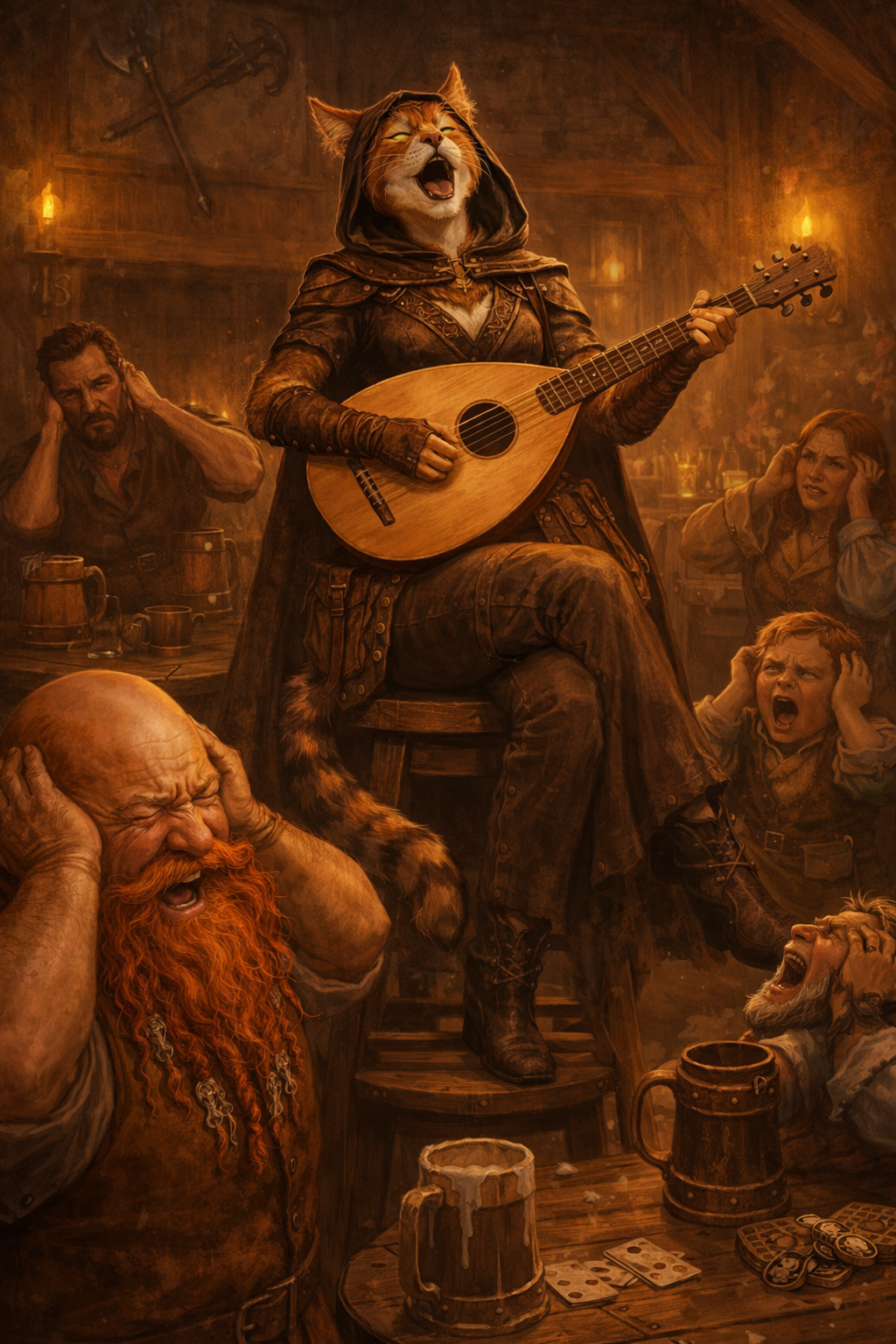
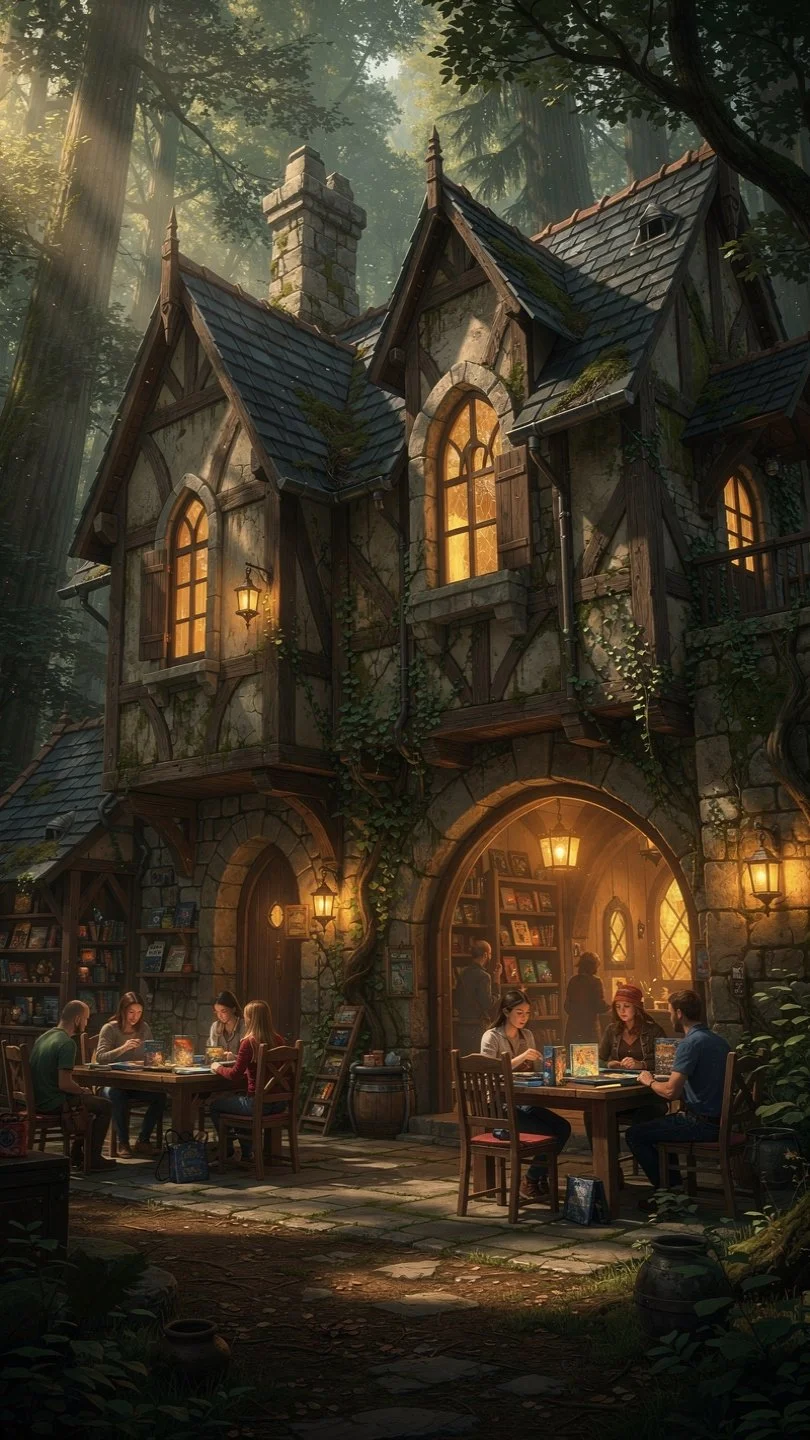
Joining a public D&D table for the first time can feel like walking into a tavern where every chair already has a story carved into it.
Ya do not know the people yet. Ya do not know the rhythm of the group. Ya do not know whether the table loves deep roleplay, tactical combat, terrible puns, tragic backstories, or all four thrown into the same stew pot.
That is why the first rule is simple: arrive like a guest, not like a conquering warlord.
Public tabletop spaces work best when new players understand that they are joining a shared experience. Whether ya found the table through a local game store, a board game café, a community hub, or the wider Tavern Network, the goal is not to prove ya are the cleverest goblin in the room. The goal is to become the kind of player people are glad to see again.
Read the Room Before Ya Swing the Axe
Every table has its own mood.
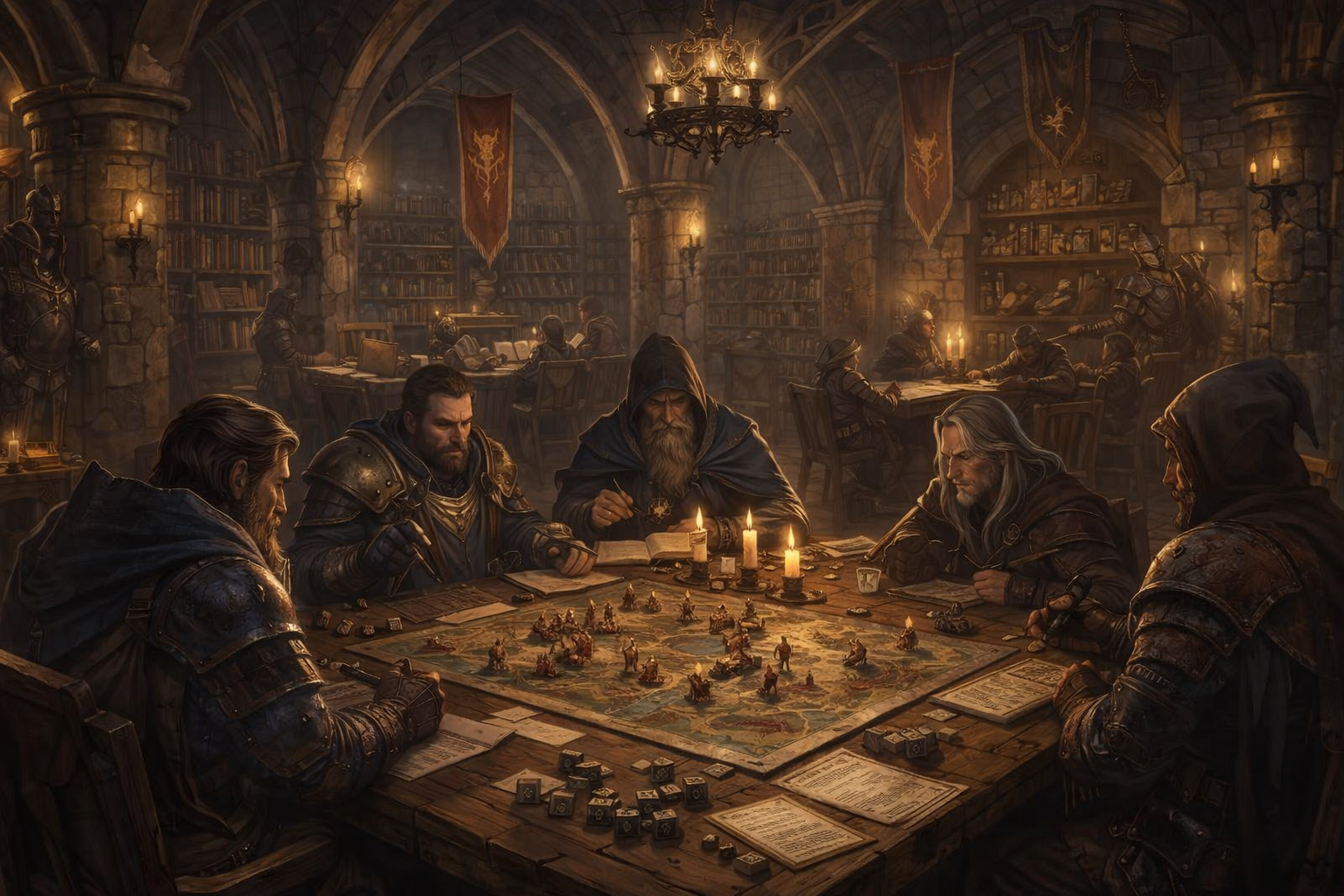
Some groups are loud and tactical. Some are quiet and story-heavy. Some joke constantly. Some stay deeply in character. Some are beginner-friendly and loose with rules. Others expect players to know their character sheet before the first die hits the table.
Before ya start performing, arguing, correcting, or pushing the group in yer preferred direction, take a little time to watch how the table already works.
A good first-time player listens more than they speak at the beginning. They notice how the GM handles attention, how players share the spotlight, how serious the story feels, and whether the group welcomes side chatter or prefers focus.
This is especially important in public gaming spaces, where strangers often become party members before they become friends. How the Tavern Network helps players and GMs find better tables exists because finding a good table is not just about distance. It is about fit.
Do Not Hijack the Table With Yer Backstory
A backstory is good.
A twenty-minute speech about yer tragic prince-assassin dragon-blooded warlock who secretly owns half the kingdom is not always good, especially when everyone else just wants to get through introductions and start playing.
When joining a public D&D table, keep yer character easy for others to understand. Give the GM useful hooks, not a full novel. Let the table discover yer character over time instead of demanding the spotlight immediately.
The best new players give the group something to work with.
A clear personality. A simple goal. A reason to cooperate. A few fun quirks. That is enough.
Public tables often have limited time, and nobody wants the first session swallowed by one adventurer’s entire ancestral curse.
Respect the GM’s Table Rules
Every GM runs the game a little differently.
Some use house rules. Some avoid certain themes. Some are strict with combat timing. Some bend rules for cinematic moments. Some allow homebrew. Some absolutely do not.
When ya join someone else’s table, respect the way they run it.
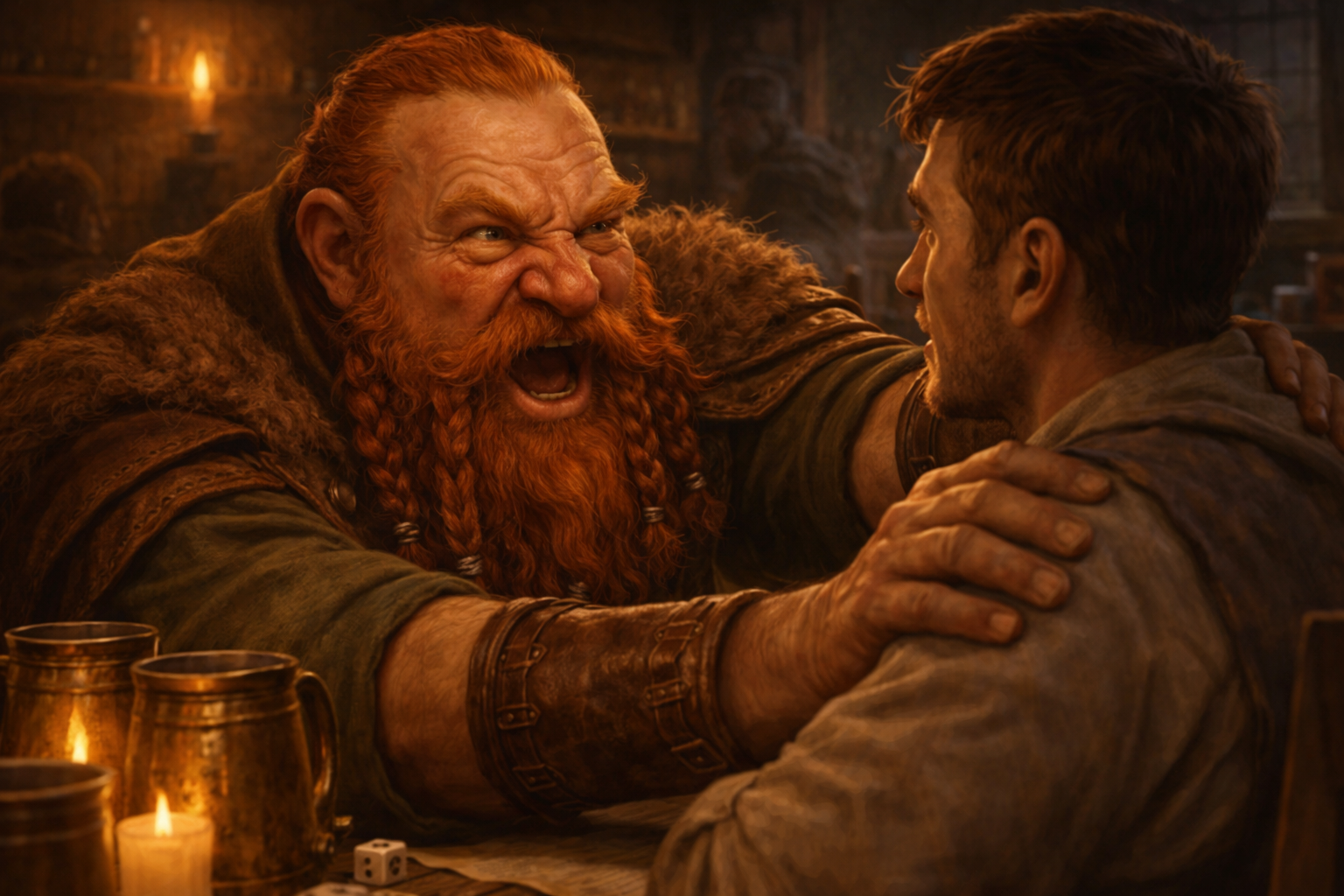
Ask questions politely. Do not argue every ruling. Do not pull out online rule debates like a tavern lawyer waving ancient scrolls in the air. If something genuinely bothers ya, speak to the GM calmly after the session instead of turning the table into a courtroom.
That does not mean ya must stay at a table that feels wrong for ya. It just means ya should judge the fit respectfully. What the Tavern Network can actually do before session one even begins touches on this same idea: better expectations before the game often mean fewer problems once dice start rolling.
Share the Spotlight Like a Proper Adventurer
A public D&D table is not yer personal stage.
Yes, have fun. Yes, roleplay. Yes, make bold choices. But remember that everyone else came to play too.
If ya notice one player has not spoken in a while, leave room. If the GM is trying to move the scene forward, help instead of dragging it sideways. If another player is having a big character moment, do not interrupt just to make a joke.
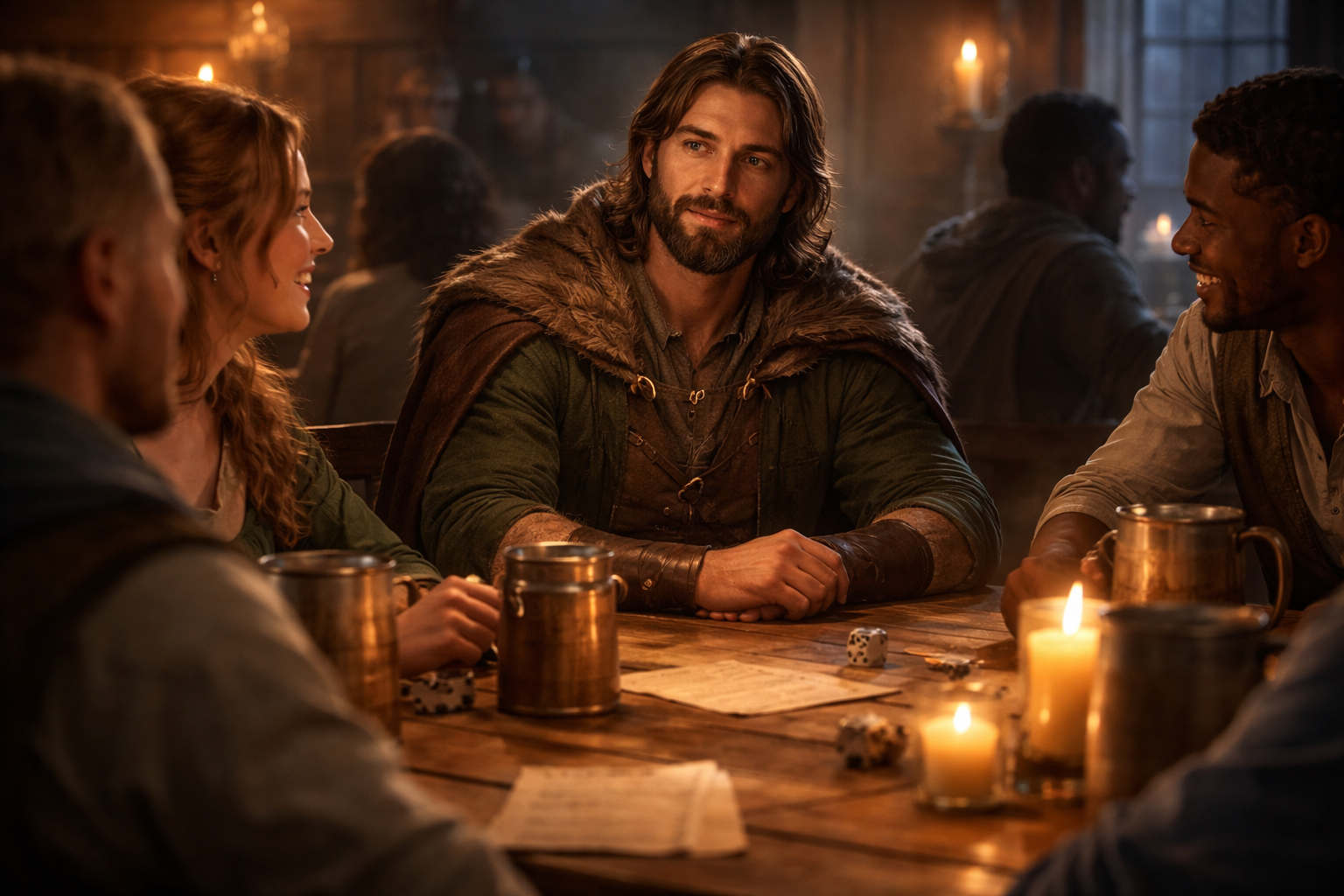
The best first-time players are not silent. They are generous.
They add to scenes without swallowing them. They build on other people’s ideas. They make the party feel stronger, not smaller.
That is the difference between a player people tolerate and a player people invite back.
Support the Venue, Not Just the Game
If ya are playing in a public tabletop venue, remember that the space itself matters.
Buy a drink if ya can. Follow the house rules. Keep food and drinks tidy. Be polite to staff. Do not block walkways with bags. Do not leave a mess behind like a goblin nest after soup night.
Good venues survive because players treat them like places worth protecting.
That is why articles like Casual Community Hubs vs Competitive Play Venues matter. The environment around a campaign can shape whether a group lasts for years or collapses after three sessions.
A cozy space like ME Café & Games Singapore, a welcoming board game haven like Meeples Games, or a strong community stop like Phoenix Comics & Games Seattle only works when players understand that public gaming spaces are shared treasures.
Ask Before Assuming
Do not assume every table welcomes the same jokes, playstyle, themes, or level of chaos.
Ask before bringing homebrew. Ask before using another player’s dice. Ask before touching miniatures. Ask before joining a campaign midstream. Ask before pushing uncomfortable roleplay. Ask before turning every scene into slapstick.
A little courtesy prevents a lot of trouble.
Most players are forgiving when they can see ya are trying to be respectful. What annoys people is not honest ignorance. It is barging in with confidence and no awareness.
Leave People Glad Ya Came
The real test of a first public D&D session is not whether ya got the killing blow.
It is whether the GM would want ya back.
It is whether the other players felt comfortable around ya.
It is whether the venue staff saw yer table as a good group, not a problem group.
A strong first impression does not require perfect rules knowledge. It requires patience, awareness, basic manners, and a willingness to make the table better than ya found it.
That is the quiet art of joining a public D&D table.
Do that well, and ya stop being a stranger.
Ya become part of the tavern.
More Tavern Goodness For You