How to Respect a Tabletop Venue Without Acting Like a Tavern Goblin
There is a strange thing that happens in good tabletop venues. The best ones rarely feel forced. Folk settle in naturally, campaigns grow roots, and players keep returning week after week because the place feels welcoming instead of exhausting. Whether ya are sitting down at a cozy community café in Singapore, a crowded card shop in Seattle, or a late-night strategy den in Europe, the truth stays the same: good tabletop spaces survive because the people inside them choose not to ruin the atmosphere.
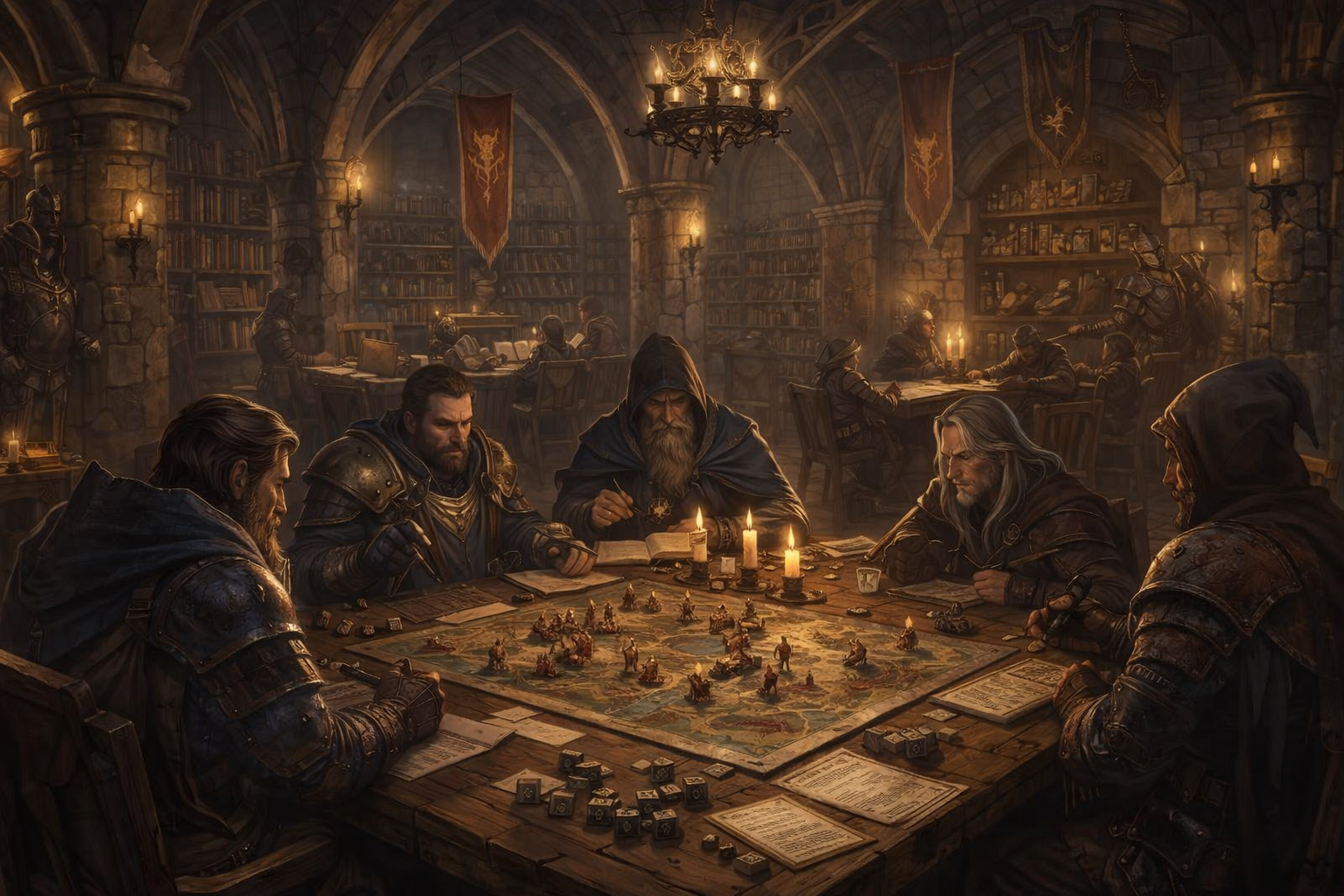
Far too many adventurers walk into a public gaming venue thinking only about their own fun. They forget that tabletop gaming spaces are shared environments. They are part café, part social club, part storytelling stage, and part refuge for people trying to escape the noise of the outside world for a few hours.
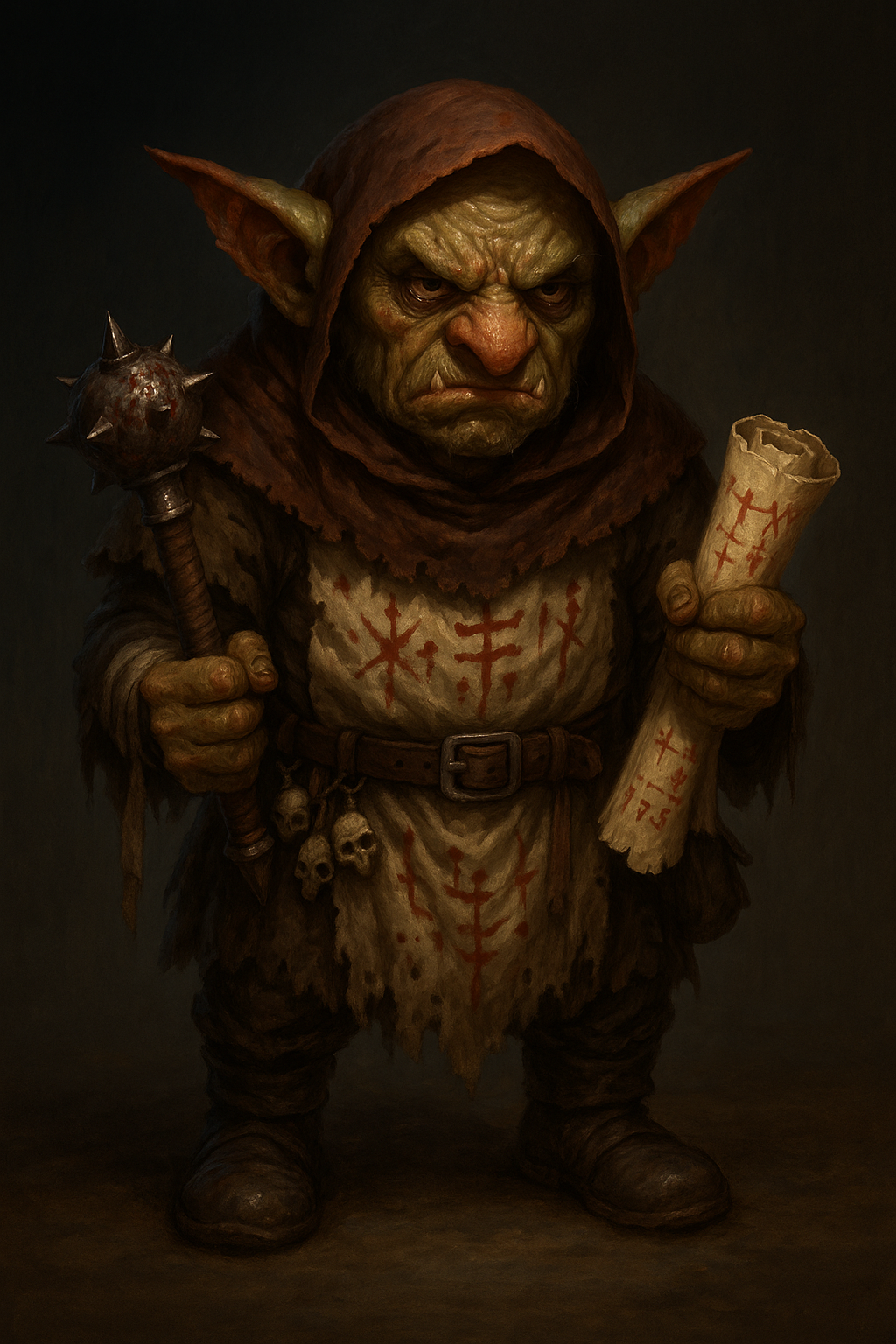
Acting like a tavern goblin does not always mean being openly rude. Sometimes it is the small habits that slowly poison a venue over time.
Showing up late every session without warning. Leaving greasy food wrappers behind. Shouting over other tables during roleplay scenes. Interrupting staff while they are busy. Hogging tables for six hours while buying almost nothing. Treating community spaces like disposable entertainment instead of real businesses trying to survive.
A good tabletop venue remembers the players who respect the space. So do the GMs.
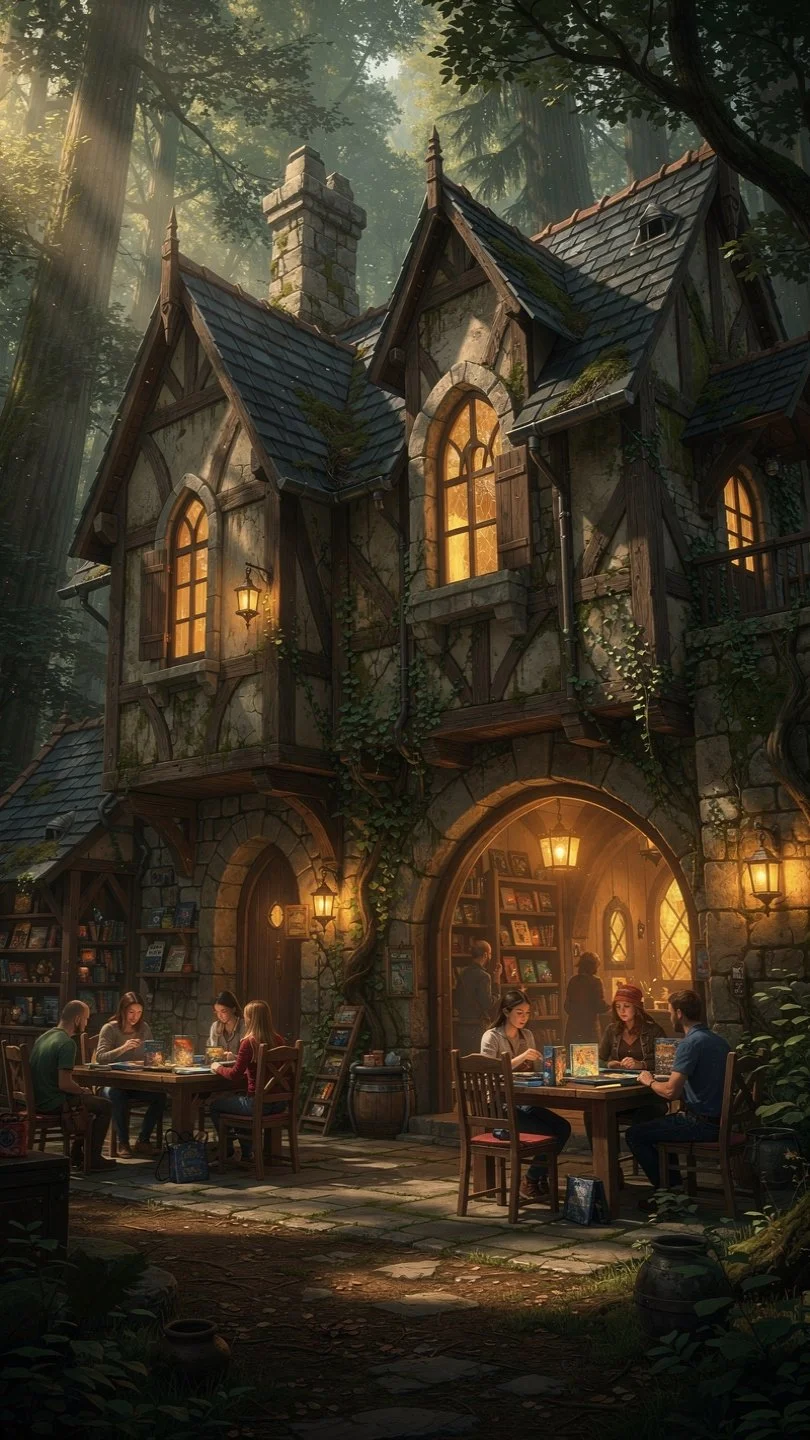
One of the reasons spaces like Pixels & Pieces Singapore and ME Café & Games Singapore stand out is because the environment encourages players to settle in comfortably without turning the place into chaos. Good venues create room for campaigns to breathe, but players still carry responsibility for protecting that atmosphere.
Respect the Space Like Somebody Has to Clean It Later
One of the fastest ways to become infamous at a tabletop venue is treating the place like a private dungeon hideout instead of a shared public space.
Clean up after yerself. Push chairs back properly. Keep drinks away from miniatures and books. If ya spill something, tell the staff immediately instead of pretending nothing happened while cola slowly spreads across the table like cursed swamp water.
This sounds simple, but these small actions matter because tabletop venues operate on thin margins. Many are independent businesses built by people who genuinely love the hobby. A respectful group quietly helps a venue survive. A careless group quietly drains the life out of it.
That is part of why the broader Tavern Network exists in the first place. Healthy tabletop communities depend on players supporting good spaces instead of burning them out.
Noise Matters More Than Most Players Think
Some players genuinely do not realize how loud they are.
Excitement is normal. Big laughs are normal. Dramatic moments are part of tabletop gaming. But there is a difference between energy and disruption.
A player who constantly shouts, talks over quieter people, or dominates every conversation slowly crushes immersion for everybody nearby. Public venues are especially vulnerable to this because multiple campaigns often run side by side.
One loud table can accidentally sabotage four others.
If ya notice other tables glancing over repeatedly, that is usually a sign the volume has drifted too far. Good players learn to control the energy without killing the fun.
This becomes even more important when campaigns are long-running. Articles like Casual Community Hubs vs Competitive Play Venues — Where Do Long Campaigns Survive Longer? explore how atmosphere directly affects campaign longevity. Loud chaos might work for one-shot party games, but it slowly damages slower roleplay-heavy campaigns over time.
Buy Something Once in a While, Ya Stingy Kobold
Many tabletop cafés and gaming venues survive through food, drinks, memberships, or small purchases. If a group occupies a table for five or six hours while spending almost nothing, that venue quietly absorbs the cost.
Nobody expects players to empty their coin purse every visit. But supporting the venue occasionally is basic courtesy.
Buy a drink. Grab a snack. Pick up dice once in a while. Recommend the venue to friends. Leave a kind review if the staff treated ya well.
Communities survive when players understand that venues are not magical immortal fortresses funded by dwarven treasure vaults.
That is part of the thinking behind How the Tavern Network Helps Players and GMs Find Better Tables Without Wasting Weeks Searching. The healthier the venues become, the healthier the wider tabletop ecosystem becomes too.
Respect Other Players’ Comfort Levels
Public tabletop spaces bring together all sorts of people. New players. Veteran GMs. Quiet introverts. Loud extroverts. Teenagers trying their first campaign. Older players returning to the hobby after years away.
Not everybody wants the same social energy.
Some players love heavy roleplay. Others just want tactical combat and relaxed conversation. Some tables enjoy dark humor. Others absolutely do not.
Good etiquette means reading the room before forcing yer own style onto everybody else.
That includes respecting boundaries when conversations drift into sensitive territory. It also means understanding when somebody clearly wants a quieter evening instead of constant pressure to perform socially.
A healthy venue feels welcoming because players help maintain that comfort together.
The Best Players Quietly Make the Whole Room Better
The strongest tabletop communities are not built by perfect rules lawyers or elite optimizers. They are built by players who make the environment easier for everybody else.
Helping new players feel included. Thanking the GM after sessions. Supporting venue staff. Staying aware of noise. Sharing space properly. Understanding that campaigns survive because communities survive first.
That is why places like Univers Parallèle Toulouse or Meeples Games Seattle leave lasting impressions on players. The best venues are not just selling products. They are protecting an atmosphere where tabletop gaming can actually thrive.
A single respectful player improves a table.
A full group of respectful players helps keep an entire venue alive.
More Tavern Goodness For Ya!