
5 Things to Do When Your D&D Game Starts Breaking Down
By Grabgar’s hammer, there is a special kind of silence that settles over a D&D table when the game starts breaking down.
Not the good silence.
Not the kind where everyone is leaning forward, waiting to hear what lurks behind the sealed crypt door.
I mean the bad silence.
The kind where the GM asks, “What do you do?” and everyone suddenly becomes fascinated with their dice. The kind where jokes land flat. The kind where one player keeps forcing enthusiasm while another has already checked out behind the eyes. The kind where the campaign is technically still alive, but everyone can smell the rot under the floorboards.
A D&D game does not always break down because someone yells.
Sometimes it breaks down because everyone gets polite.
Too polite to say they are bored. Too polite to say they are uncomfortable. Too polite to admit the campaign no longer feels good. Too polite to tell the problem player, “Lad, ya are making this worse every week.”
And that is how the table starts dying in slow motion.
So if yer D&D game is starting to break down, do not wait until everyone vanishes into the fog like cowards in borrowed cloaks. Here are five things to do before the campaign becomes another sad tale told over cold ale.
1. Stop Pretending the Table Feels Normal
The first thing to do is the hardest.
Admit that something has changed.
Not every awkward session means the campaign is doomed. Sometimes people are tired. Sometimes the dice are cruel. Sometimes a session just lands badly. That happens.
But if the same strange heaviness keeps returning, ya need to stop calling it “just an off night.”
A breaking table often has symptoms.
Players arrive later than usual. The group chat goes quiet. People stop asking questions about the story. Players who used to roleplay now give short answers. The GM starts rushing scenes. One person dominates because everyone else has emotionally stepped back. Another person keeps making jokes because silence feels worse.
Nobody wants to say the campaign feels wrong, so everyone performs normality.
That performance drains the table.
The fix begins with naming the shift calmly.
Try this:
“I might be wrong, but it feels like the energy at the table has changed lately. I think we should check in before we keep pushing forward.”
That sentence is not an accusation. It is a lantern.
It lets people see the room.
If yer group struggles to read quiet discomfort, Running Your First Game: Reading the Table Without Anyone Saying a Word is worth reading. A table usually tells the truth before the players do.
2. Find Out Whether the Problem Is the Game, the Group, or One Person
Once the table admits something feels wrong, do not rush to fix the wrong thing.
A D&D game can break down for different reasons.
Sometimes the campaign is the problem. The story may be too slow, too confusing, too dark, too scattered, or too far removed from what the players actually enjoy.
Sometimes the group rhythm is the problem. Sessions may be too long. Scheduling may be exhausting. Players may be tired from life outside the game. The table may need a break, not a confrontation.
And sometimes, aye, one person is the problem.
One player may constantly interrupt. One GM may punish feedback. One person may turn every scene into a spotlight grab. One player may make jokes that sour the room. One person may be so defensive that everyone else starts managing their mood.
By Margann’s crusty beard, do not treat these as the same wound.
If the campaign is the problem, change the campaign.
If the rhythm is the problem, change the structure.
If one person is the problem, stop making the whole table quietly adapt around them.
This is where many groups fail. They say, “We need more energy,” when what they mean is, “One player keeps making everyone uncomfortable.” They say, “Maybe we need a new campaign,” when what they mean is, “Nobody understands what we are supposed to care about anymore.”
Use direct but calm questions:
“Is the story still working for everyone?”
“Are sessions feeling too long or too heavy?”
“Is there anything happening at the table that makes it harder to enjoy the game?”
“What is one thing we should change before the next session?”
The point is not to interrogate people. The point is to stop guessing.
A breaking table does not need more assumptions.
It needs diagnosis.
For this exact pattern, When Everyone Adapts to Issues Instead of Addressing Them is a strong follow-up, because many tables become experts at surviving problems they should have solved months ago.
3. Make the Next Session Smaller and Clearer
When a D&D game starts breaking down, the next session should not be ambitious.
Do not launch a massive kingdom war. Do not introduce seven factions. Do not reveal that the villain was secretly the duke’s ghost’s cousin’s barber. Do not throw the table into a complicated moral trial when everyone is already tired.
Ya daft harpy, the table is limping. Stop asking it to sprint.
The next session should be simple.
One location. One clear goal. One obvious reason to care. One strong decision. One clean ending.
This does not mean boring. It means stable.
If the campaign has become too tangled, give the players a session where they can breathe. Let them know what matters. Let them succeed at something. Let the party remember what it feels like to move together instead of dragging themselves through fog.
You might say:
“For the next session, I am going to keep things focused. One problem, one mission, and a clear stopping point. I want to give the table a cleaner rhythm before we decide what comes next.”
That kind of structure helps everyone.
The GM gets less pressure. Players get less confusion. The campaign gets a chance to recover momentum.
A table that is breaking down often does not need a grand emotional summit every week.
Sometimes it needs one good session that proves the game can still feel alive.
If pacing is part of the problem, Running Your First Game: Keeping the Game Moving When Players Freeze can help restore motion without forcing players into panic.
Light the Lantern Before the Room Goes Dark
If yer table still has a pulse, do not wait until everyone has already quit in their hearts. Mike’s Tavern is built for players and GMs trying to understand why good games sour, why groups crack, and how to repair the table before the final chair goes empty. Start with About Mike’s Tavern if ya want the wider map of what this place is here to do.
Looking for a New Table, Lad?
Finding the right tabletop group can feel harder than surviving a goblin ambush armed with a big stick and a bucket for a helmet. The Tavern Network might give you the helping hand you need!
4. Let People Speak Without Forcing a Debate
When a game starts breaking down, people need space to speak.
But that does not mean every concern needs to become a group argument.
This is important.
Some players will only be honest if they know they will not immediately be challenged. If every piece of feedback gets debated, defended against, or explained away, people learn to stay quiet.
So when someone says, “I have not been enjoying the pacing,” do not jump in with, “Well, that is because you missed two sessions.”
When someone says, “I feel like my character has no reason to stay,” do not answer with a lore lecture.
When someone says, “I feel uncomfortable when jokes go too far,” do not turn the room into a vote on whether the joke was actually offensive.
Listen first.
Ask clarifying questions later.
Decide what to do after that.
A useful rule is this:
Feedback first. Discussion second. Decisions third.
Most tables try to do all three at once, and that is when the shouting starts.
If the GM is running the check-in, they can say:
“Let’s hear concerns first without debating them immediately. After everyone has spoken, we can decide what needs to change.”
That one boundary can save the conversation.
It keeps defensive players from taking over. It helps quieter players speak. It stops the group from turning the first honest sentence into a battlefield.
A breaking D&D game does not need everyone to agree instantly.
It needs everyone to hear what is actually happening.
For a deeper look at this emotional blockage, read When No One Ever Says What’s Actually Bothering Them. Silence does not protect the table forever. Eventually, it becomes the thing that breaks it.
5. Decide Whether the Game Needs Repair, Rest, or an Ending
Not every breaking D&D game should be saved.
There. I said it.
Some campaigns can be repaired. The table still cares. The problems are clear. People are willing to adjust. Trust is bruised, but not broken.
Some campaigns need rest. Everyone is tired. The story may still be good, but the group needs a pause, a shorter arc, or a lighter game for a while.
And some campaigns need to end.
Not because anyone is evil. Not because the whole thing was a failure. Not because the GM did not try hard enough. Sometimes a game has simply run out of shared life.
By Durven’s last tankard, there is no honor in dragging a dead campaign across the road and calling it a parade.
The table needs to decide honestly.
Ask:
“Do we want to repair this campaign, pause it, simplify it, or end it properly?”
That question gives people permission to stop pretending.
A proper ending is better than a slow disappearance. A clear pause is better than months of cancelled sessions. A repaired campaign is better than a resentful one.
But the table has to choose.
If the answer is repair, choose one change for the next session.
If the answer is rest, schedule a real return date or admit there may not be one.
If the answer is ending, give the campaign a clean final session if the group still has enough goodwill for it.
A campaign ending is not always a defeat.
Sometimes it is the most respectful thing the table can do.
The Breakdown in Slow Motion
Picture it.
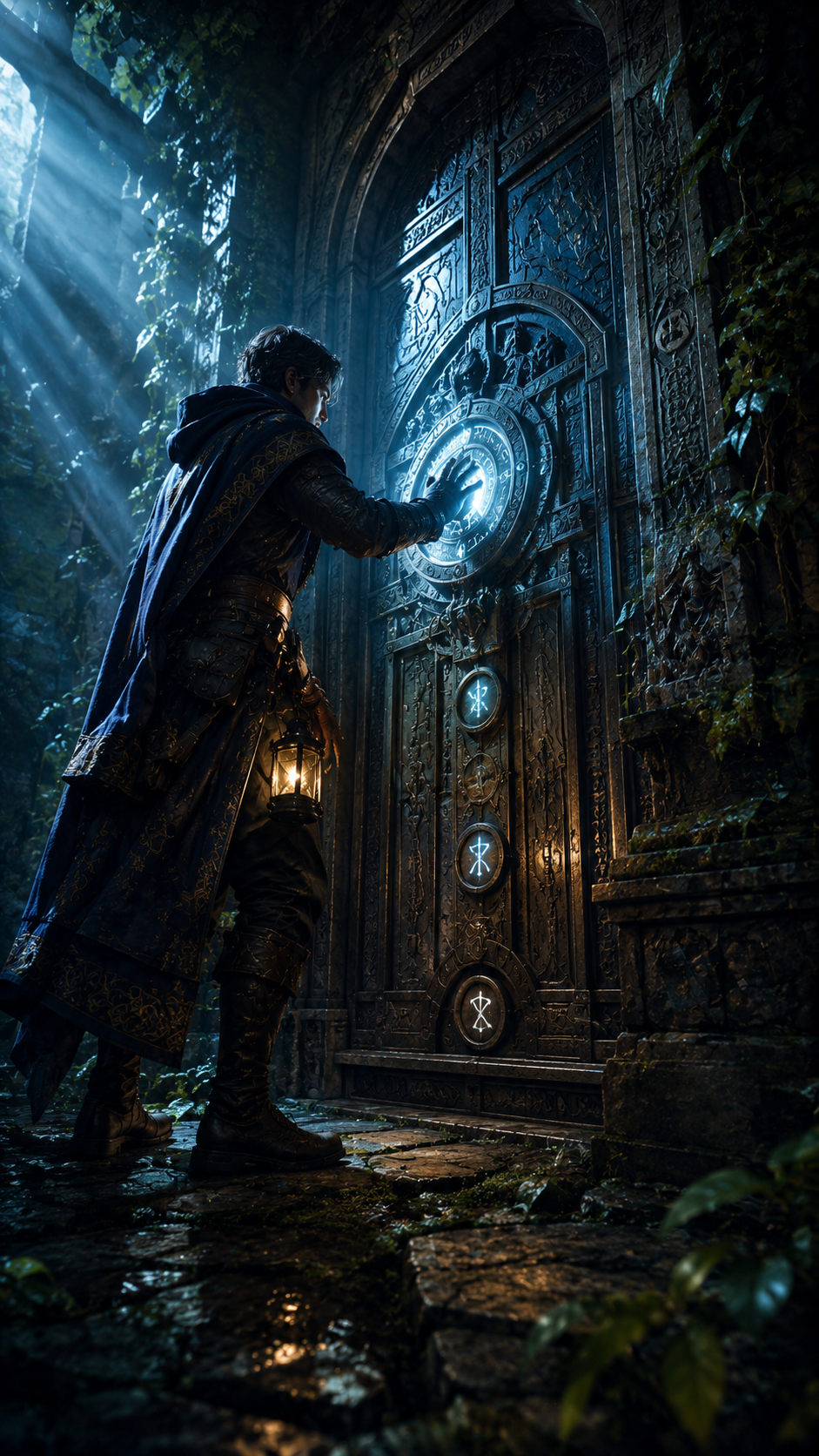
The party is standing before a cursed gate. The GM describes black runes burning across ancient stone. This should be dramatic. This should be the moment everyone leans forward.
But one player is scrolling. Another is quiet. Someone makes a joke that does not fit the scene. The GM pushes harder, adding more description, more danger, more music, more voice.
Nothing lands.
The problem is not the gate.
The problem is that the table stopped meeting the game halfway.
That is the moment to stop pretending. Not forever. Not with a dramatic speech. Just long enough to say:
“Something feels off. Let’s check in.”
That single sentence can save more campaigns than another villain reveal ever will.
Final Thought From the Tavern
When your D&D game starts breaking down, do not panic and do not perform.
Look at the table clearly.
Stop pretending the energy feels normal. Find out whether the problem is the game, the group, or one person. Make the next session smaller and clearer. Let people speak without forcing a debate. Then decide whether the campaign needs repair, rest, or an ending.
That is how a table handles trouble like adults instead of frightened kobolds hiding under a cheese cart.
Some games recover.
Some games pause.
Some games end.
But the worst fate is letting a once-good campaign rot because everyone was too polite to name the smell.
So light the lantern, lad.
See what is still alive.
Then act.
Before the Next Session Bell Rings
If yer campaign is already cracking, keep yer tools close. Read The Strongest Character at the Table Is the One Who Listens, check the Mike’s Tavern FAQ, or contact the Tavern if ya need to send a question toward the bar before the next session.
Reflection Questions
What changed at the table before everyone started pretending things were fine?
Is the problem the campaign, the group rhythm, or one person’s repeated behavior?
What could be made smaller next session so the game can breathe again?
Who at the table has been staying quiet because every concern turns into a debate?
Does this campaign need repair, rest, or a clean ending?
