Every local game store has legends.
Some are good legends. The GM who welcomed every beginner. The player who always brought spare dice. The quiet regular who helped clean up after events without being asked.
Then there are the other legends.
The rules goblin. The loud interrupter. The snack-stained miniature grabber. The player who argues with every ruling, complains about every table, blocks half the aisle with bags, and somehow believes every campaign exists to showcase their character’s tragic destiny.
Nobody wants to become that player.
But it happens faster than most adventurers think.
In public tabletop spaces, reputation travels quickly. A few bad habits repeated often enough can make people quietly avoid sitting beside ya, inviting ya back, or recommending ya to other groups. That is not because tabletop communities are cruel. It is because most players are tired, busy, and trying to protect the few good gaming hours they get each week.
Treating the Venue Like Free Rent
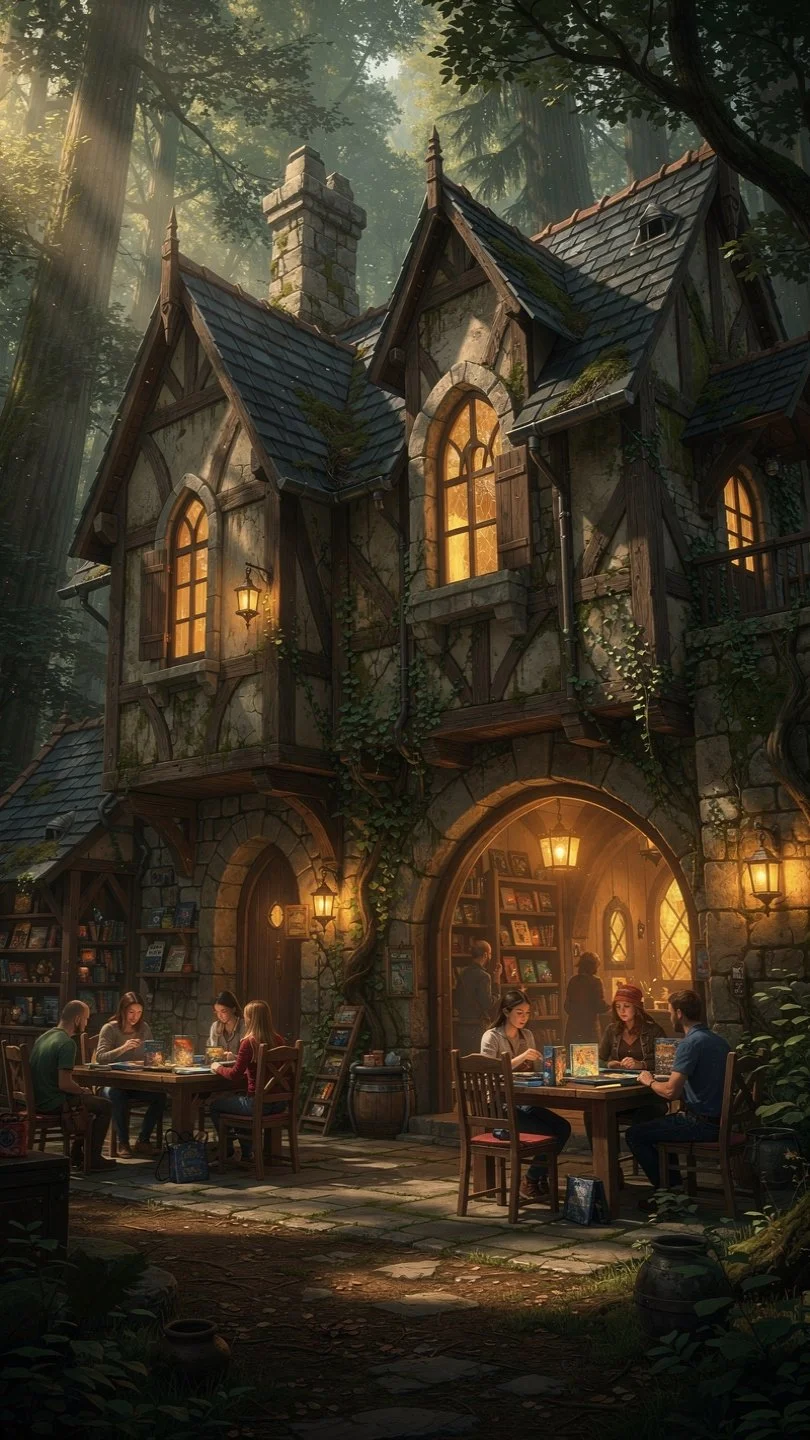
A local game store is not yer private stronghold.
If ya sit at a table for hours, use the space, enjoy the air-conditioning, borrow the atmosphere, and never support the venue, folk notice.
Nobody is saying ya need to buy a dragon’s hoard of miniatures every session. But buying a drink, picking up dice, grabbing a snack, or recommending the store to another player helps keep the space alive.
This is why the wider Tavern Network matters. Good gaming spaces survive when players treat them like community treasures, not disposable rooms with chairs.
Places like Pixels & Pieces Singapore and Phoenix Comics & Games Seattle work best when the people using them understand that the venue itself is part of the campaign’s support system.
Arguing With Every Ruling
Rules matter.
But so does not turning every session into a courtroom.
One of the fastest ways to become that player is challenging every GM decision, correcting every tiny mistake, and acting like yer interpretation of the rules descended from a sacred mountain carved into stone.
A good rules correction can help the table.
Constant correction drains it.
If the GM makes a ruling that genuinely confuses ya, ask politely. If it still bothers ya, bring it up after the session. Do not stop the entire table every ten minutes so ya can debate wording like a tavern lawyer with ink-stained fingers and no survival instinct.
This is especially important in public games, where strangers are still deciding whether they feel comfortable around each other. How the Tavern Network helps players and GMs find better tables exists partly because table fit matters as much as rules knowledge.
Hogging the Spotlight
Every player wants memorable moments.
That is normal.
The problem starts when one player treats every scene like it belongs to them.
They interrupt roleplay. They answer questions directed at other characters. They force jokes into serious scenes. They push their backstory into every conversation. They act like the party exists to admire their character instead of adventure together.
That player may think they are being entertaining.
The rest of the table may be quietly exhausted.
A strong player knows when to step forward and when to step back. They help others shine. They notice when a quieter player is trying to speak. They understand that a campaign is not a solo performance with backup adventurers.
This is one reason What the Tavern Network can actually do before session one even begins is worth reading. Many table problems begin before the first session, when expectations are never properly understood.
Being Loud Without Being Aware
Excitement is part of tabletop gaming.
Shouting over every scene is not.
Public gaming spaces often host multiple groups at once. If yer table is so loud that nearby players cannot hear their GM, ya are not just affecting yer own party. Ya are damaging the whole room.
The worst part is that loud players often do not realize they are loud. They think they are bringing energy. Sometimes they are. But energy without awareness becomes noise.
A good player checks the room.
A good player notices when people start leaning away, going quiet, or glancing at other tables.
A good player understands that volume control is not about killing fun. It is about keeping the space playable for everyone.
This matters even more in venues built for long campaign comfort, like ME Café & Games Singapore or Meeples Games, where atmosphere is part of the reason players keep coming back.
Making Staff Deal With Yer Mess
Venue staff are not yer party’s hirelings.
They should not have to clean up piles of snack wrappers, spilled drinks, scattered napkins, abandoned cups, or crumbs ground into the table like goblin trail dust.
Clean up after yerself.
Push chairs back.
Report spills.
Follow booking rules.
Do not treat staff like obstacles between ya and yer game night.
Players sometimes forget that the staff sees everything. They know which groups are respectful. They know which groups are trouble. If ya want a local game store to welcome yer table back, make life easier for the people keeping the place running.
Bringing Bad Energy Every Week
Some players do not shout. They do not argue rules. They do not leave messes.
But they still drain the table.
They complain constantly. They mock other players’ choices. They sulk when the story does not favor them. They treat every failed roll like a personal attack from the heavens. They make newer players feel foolish for asking questions.
Bad energy spreads.
A campaign can survive one rough night. It cannot survive months of someone making the table feel heavier every time they arrive.
If ya are tired, frustrated, or not enjoying the campaign, talk about it like an adult adventurer instead of letting resentment leak into every session.
Articles like When Session Zero Didn’t Save You and When Yer Table’s Crumblin’ and Yer Torch Is Burnin’ Low cover this kind of slow table collapse because many campaigns fall apart through mood long before mechanics.
Reputation Is Built in Small Moments
The fastest way to become that player is not usually one terrible mistake.
It is repetition.
Being late every week.
Interrupting every scene.
Leaving messes.
Arguing every ruling.
Never supporting the venue.
Ignoring other players’ comfort.
Treating the game store like a backdrop instead of a shared community space.
The good news is that the opposite is also true.
A good reputation is built through small habits too.
Show up prepared. Be kind to staff. Share attention. Buy something when ya can. Keep yer volume under control. Help new players feel welcome. Leave the table cleaner than ya found it.
Do that, and ya become the kind of player people remember for the right reasons.
Not as that player.
As the one folk are glad came back.
More Tavern Goodness For You!