
The Definitive Greatsword Guide, Part 6: When a Greatsword Will Let You Down
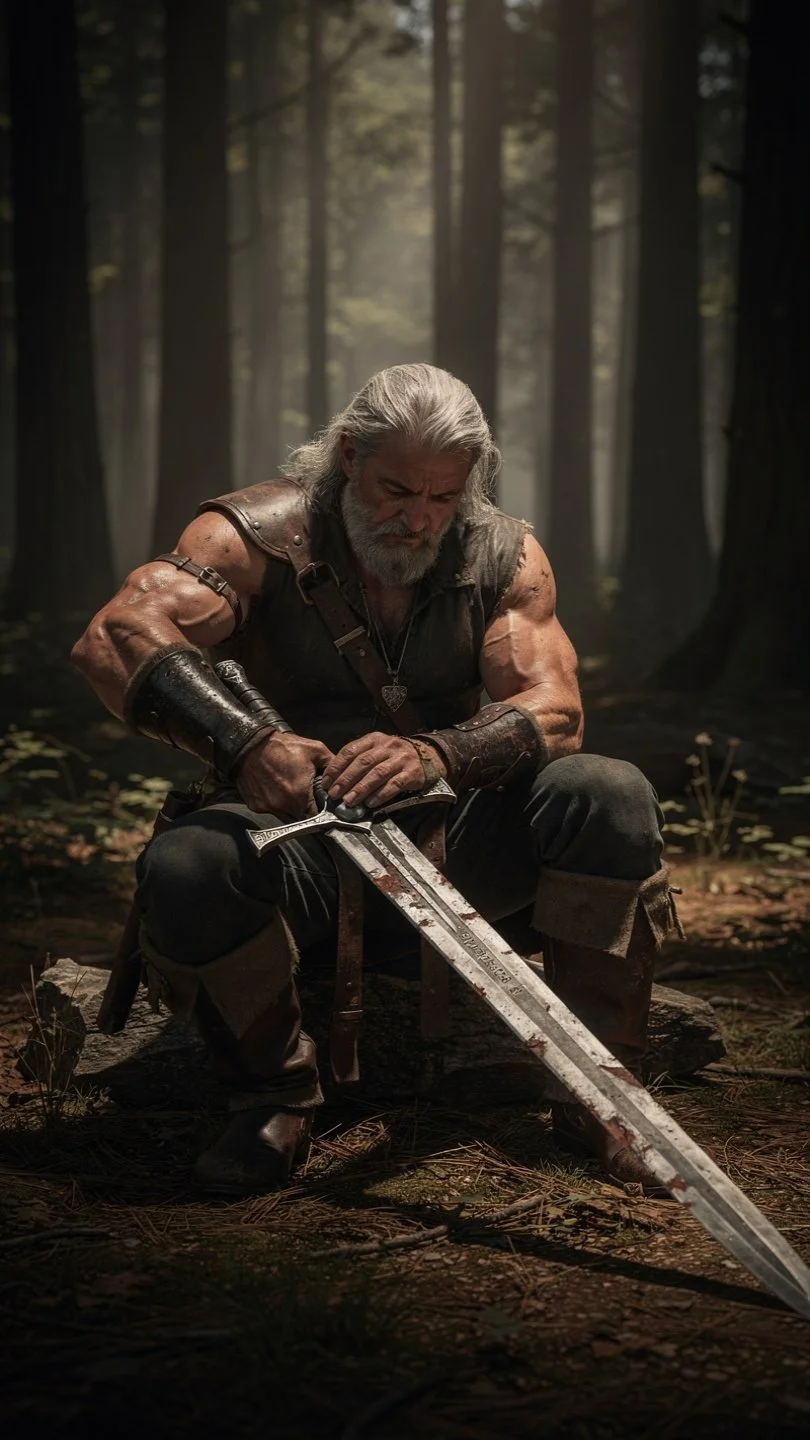
By Grabgar’s hammer, there comes a sad day in every big blade lover’s life.
Ya polish the greatsword. Ya tighten the grip. Ya step into battle with both hands ready and a heroic glare on yer face.
Then the enemy flies.
Or teleports.
Or stands thirty bloody feet away behind three bleedin’ guards and a wall of magical nonsense.
Or swarms ya with six miserable little ankle-biters while the real threat laughs from a balcony.
And suddenly, that beautiful greatsword feels less like a weapon of legend and more like a very expensive walking stick.
That does not mean the greatsword is bad.
It means the greatsword has limits.
Every weapon does. Every build does. Every fantasy does. The trick is not pretending yer favorite blade solves every problem. The trick is knowing when it will let ya down, why it happens, and what ya can do before the whole table watches ya spend three rounds angrily jogging toward the actual fight.
So let us talk plainly.
A greatsword is strong, dramatic, reliable in the right hands, and deeply satisfying when the battlefield lets it work. But it can fail ya when distance, terrain, enemy tactics, poor party support, or yer own stubborn pride turn the weapon’s strengths into weaknesses.
And pride, lad, has killed more warriors than goblins ever did.
A Greatsword Struggles Against Distance
The most obvious weakness of a greatsword is reach.
Not reach as in polearm reach. I mean the broader truth: ya must usually get close to do yer job.
That is simple until the enemy refuses to cooperate.
Archers, spellcasters, flying monsters, mounted enemies, teleporting villains, elevated snipers, and skirmishers can all make a greatsword character feel slow and frustrated. If the enemy controls distance, the greatsword wielder may spend precious turns moving instead of attacking.
That is not a small problem.
In D&D and Pathfinder, action economy is life. Every turn ya spend reaching the fight is a turn where yer best weapon is not shaping the battlefield. A ranged character can often contribute immediately. A caster can affect the fight from safety. A greatsword user has to earn contact.
This is why backup plans matter.
Carry a ranged weapon if yer system and build allow it. Use javelins, throwing weapons, a bow, or whatever fits yer character without breaking the build. Work with allies who can slow, ground, restrain, frighten, or pull enemies into reach. Use cover instead of sprinting across open ground like a festival idiot chasing a loose chicken.
The greatsword does not fail because it needs melee.
It fails when the player has no plan for reaching melee.
Flying Enemies Are a Problem
Flying enemies are one of the classic greatsword frustrations.
A grounded greatsword user staring up at a flying enemy is a tragic sight. All that steel, all that strength, all that heroic posture, and the monster is up there flapping around like a smug laundry sheet.
Now, some parties can solve this. A caster can force the creature down. A ranged ally can pressure it. The battlefield may have ledges, ladders, cliffs, trees, siege equipment, or magical movement options. Some builds have better mobility tools than others.
But if none of that exists, the greatsword character may be stuck.
This is where players need humility. Not every enemy is yer enemy to solve alone. Sometimes yer job is to protect the party while the ranged characters handle the sky. Sometimes yer job is to ready an attack if the creature dives. Sometimes yer job is to move toward cover, guard the healer, or prepare for when the flying threat finally comes low.
Do not waste turns being angry that yer weapon cannot do everything.
That is how ya become useless and loud at the same time.
Mike’s Tavern has talked about this wider combat lesson in Why Position, Timing, and Target Choice Matter More Than Weapon Stats. The right target is not always the target ya wish ya could hit.
Open Battlefields Can Expose Ya
Greatswords love structured spaces.
Doorways. Corridors. Bridges. Crypts. Tunnels. Fortresses. Ruins. Tight chambers. Places where enemies must come close and cannot easily scatter.
Open battlefields are different.
A wide field, desert, plaza, rooftop spread, ship deck, or open cavern can make a greatsword wielder feel exposed. Enemies can spread out. Ranged attackers can kite. Spellcasters can control zones. Fast monsters can avoid ya and attack weaker allies.
In tight spaces, yer presence blocks paths.
In open spaces, enemies can go around.
That is the difference.
A greatsword user in open terrain needs patience and teamwork. Do not charge the first enemy ya see if that leaves the backline exposed. Do not chase a skirmisher while the real threat attacks the cleric. Do not let the enemy drag ya out of position just because they gave ya something annoying to swing at.
Open battlefields reward formation discipline.
Stand where yer party can use ya. Move with allies. Use terrain if any exists. Force enemies to choose between approaching ya or wasting movement. Sometimes the best thing a greatsword user can do is not sprint forward, but anchor the group so the party does not split into five separate disasters.
That may feel less glorious.
It wins more fights.
Swarms and Minions Can Waste Yer Damage
A greatsword feels wonderful against meaningful targets.
It feels less wonderful when surrounded by weak enemies that exist mainly to waste yer time.
This is the overkill problem.
If ya deal a massive hit to a creature with only a few hit points left, much of that damage is wasted. Against swarms, mobs, summoned creatures, or clusters of weak enemies, a greatsword character can feel inefficient unless the build has tools to cleave, strike multiple targets, reposition, or punish movement.
This is especially noticeable when the party faces many small bodies instead of one or two major threats.
The answer is not always “hit harder.”
Sometimes the answer is target discipline.
Finish enemies before they act. Protect the caster preparing an area spell. Hold the line so the party can thin the mob safely. Position so fewer enemies can surround ya. Use features, feats, or tactics that punish groups when available.
In Pathfinder 2e, options like Swipe-style play can help a heavy weapon character threaten more than one enemy under the right conditions. In D&D, positioning, opportunity attacks, class features, and party spell support can help manage mobs.
But understand the weakness.
A greatsword is not naturally the best answer to every pile of little enemies. Sometimes the wizard’s area spell, the cleric’s control, or the archer’s target flexibility solves that problem better.
Let them.
A party is not weaker because different characters solve different problems. That is the whole point of having a party.
The Humble Warrior’s Check
When yer greatsword is not solving the fight, ask this:
“Can I still protect someone, block something, finish something, or force the enemy to move differently?”
If yes, ya are still useful.
If no, change position, change target, draw a backup weapon, or help the ally who has the better answer.
For more on avoiding empty damage obsession, read Why Chasing DPR Is the Fastest Way to Burn Out.
Control Effects Can Humiliate Greatsword Builds
A greatsword character usually depends on movement, positioning, and melee access.
So anything that attacks those things can ruin yer day.
Restrained. Frightened. Slowed. Prone. Blinded. Stunned. Immobilized. Difficult terrain. Forced movement. Walls. Pits. Grapples. Banishment. Illusions. Magical darkness. Any of these can make a greatsword player feel like the whole build has been stuffed in a barrel.
This is where big weapon players must respect saves, defenses, and party support.
If ya build only for damage, control effects will expose ya. A character who hits like a falling anvil but fails every important save may spend too many turns doing nothing. That feels terrible.
So think beyond the blade.
Do ya have ways to improve mobility?
Do ya have allies who can remove conditions?
Do ya have decent defenses?
Do ya understand when to avoid obvious traps?
Do ya carry options for bad terrain or unusual enemies?
A greatsword character does not need to be good at everything. But if every enemy control effect shuts ya down completely, the campaign will start teaching ya painful lessons.
By Tharn’s itchy chainmail, learn before the lesson comes with teeth.
Poor Accuracy Makes the Greatsword Feel Awful
A greatsword is emotionally painful when it keeps missing.
This is true in D&D, and it is even sharper in Pathfinder 2e, where accuracy affects not only hits but critical hits. A greatsword wants meaningful contact. If yer build cannot land attacks reliably, the weapon’s fantasy collapses fast.
This is why accuracy support matters more than many players think.
In D&D, advantage, buffs, class features, smart target choice, and avoiding disadvantage can all matter enormously. In Pathfinder, flanking, off-guard, frightened, Aid, status bonuses, and class proficiency can define whether a greatsword feels powerful or clumsy.
Do not obsess over damage bonuses while ignoring hit chance.
That is like sharpening an axe and forgetting to open yer eyes.
A greatsword build with slightly lower theoretical damage but better accuracy will often feel better at the table than a wild damage build that misses constantly.
Mike’s Tavern goes deeper into this principle in The Difference Between Being Deadly and Being Reliable. If yer build only works when the dice love ya, it is not reliable. It is dramatic gambling.
Greatswords Can Leave Ya Defensively Exposed
A greatsword usually uses both hands.
That means no shield.
Simple enough, yes?
But some players ignore what that trade means. They want the big damage, the heroic stance, the dramatic swings, and the same defensive comfort as the shield fighter beside them.
No, lad.
Ya chose the big blade. Respect the cost.
Without a shield, ya may be easier to hit depending on the system and build. That means positioning and durability matter. A greatsword character often needs hit points, armor, class features, defensive reactions, resistances, healing support, or smarter movement to survive.
This does not make the greatsword bad. It makes it honest.
It asks ya to trade some defense for offense and presence.
That trade works beautifully when ya manage it. It fails when ya pretend the downside does not exist.
If ya keep dropping in combat, do not immediately ask for more damage. Ask why enemies are getting such clean access to ya. Ask whether ya are overextending. Ask whether ya need better support, better positioning, or a more defensive build choice.
Sometimes the strongest upgrade is not another damage trick.
Sometimes it is staying alive long enough to swing again.
Solo Glory Makes Greatsword Players Worse
The greatsword fantasy can tempt players into main-character behavior.
That is dangerous.
The weapon looks heroic. The damage feels personal. The character often stands at the front. It is easy for the player to start thinking every fight should revolve around their big swing.
But real party combat does not work that way.
If ya ignore allies, chase solo duels, demand buffs without giving support back, or complain whenever another character solves the fight, yer greatsword has become a social problem, not a weapon choice.
A strong greatsword player makes the party better.
They create openings. They protect fragile allies. They finish dangerous enemies. They listen when the cleric warns them not to charge. They coordinate with the rogue. They let the wizard control the room before rushing in. They respect the archer’s lane.
Mike’s Tavern has warned about this broader failure in Why Power Builds Fail When the Party Falls Apart. A build can be powerful and still damage the table if the player treats teamwork like an inconvenience.
The greatsword is not a crown.
It is a job.
Campaign Mismatch Can Make the Greatsword Feel Bad
Sometimes the problem is not yer build.
Sometimes the campaign simply does not favor greatswords.
If the campaign is mostly political intrigue, stealth missions, naval travel, aerial combat, magical puzzles, social maneuvering, or long-range wilderness fights, a greatsword character may not get many chances to shine.
That does not mean ya cannot play one.
It means ya need expectations.
A greatsword warrior in a court intrigue campaign may need intimidation, reputation, bodyguard presence, dueling etiquette, or social restraint to stay relevant. A greatsword warrior in a naval campaign may need backup weapons, mobility planning, and caution around water. A greatsword warrior in a high-magic campaign may need help reaching enemies who refuse normal melee rules.
Ask about campaign shape before committing. Not to demand the Game Master redesign everything around ya, but to understand whether yer fantasy will have room to breathe.
There is no shame in adjusting.
There is shame in refusing to listen, then complaining for twenty sessions.
When the Greatsword Still Works Anyway
Here is the good news.
A greatsword can still be useful in bad conditions if the player is flexible.
Against flying enemies, protect allies and ready for dives.
Against ranged enemies, use cover and advance with the party.
Against swarms, hold chokepoints and let area damage shine.
Against control effects, improve saves, positioning, and support.
Against open terrain, move with formation.
Against poor accuracy, seek advantage, flanking, buffs, and better targets.
Against defensive weakness, stop overextending like a goat with a death wish.
The greatsword lets ya down most when ya demand that every fight behave like yer favorite fight.
Do not do that.
Adapt.
A greatsword character who adapts remains useful even when the weapon is not ideal. That is what separates a veteran from a loud beginner with a big piece of metal.
For a broader view of making ordinary weapon choices work harder, read How to Get More Damage from the Same Weapon Without Changing Your Build. Often, the fix is not rebuilding everything. It is playing the current build with more awareness.
The Final Verdict on Greatsword Weaknesses
The greatsword will let ya down when the fight denies melee access, punishes poor positioning, overwhelms single-target damage, exploits weak defenses, or exposes a player who only knows how to swing.
It struggles against distance.
It struggles against flight.
It struggles in open terrain.
It struggles against swarms if unsupported.
It struggles when control effects remove movement or actions.
It struggles when the player ignores accuracy.
It struggles when the character trades away defense without respecting the cost.
But none of these weaknesses make the greatsword bad.
They make it real.
A great weapon has limits. A great player learns them.
That is the difference between the warrior who complains every time the battlefield changes and the warrior who adjusts their stance, changes target, protects the party, and waits for the one moment where the big blade matters again.
And when that moment comes?
By me beard, ya better make it count.
Bring Yer Blade Back to the Tavern
Do not abandon the greatsword just because it has weaknesses.
Learn them.
Plan for distance. Respect flying enemies. Carry backup options. Build accuracy. Protect yer defenses. Coordinate with the party. Stop chasing glory when the battlefield is asking for patience.
The greatsword is not a universal answer. It is a powerful answer to the right problems, held by a player wise enough to know when to swing and when to think.
If ya are new to the tavern, start with About Mike’s Tavern, check the FAQ, or send a message through the Contact page if ya need help finding the right shelf, guide, or weapon rack.
