
The Opportunity Attack Mistake: When Moving Becomes a Death Sentence
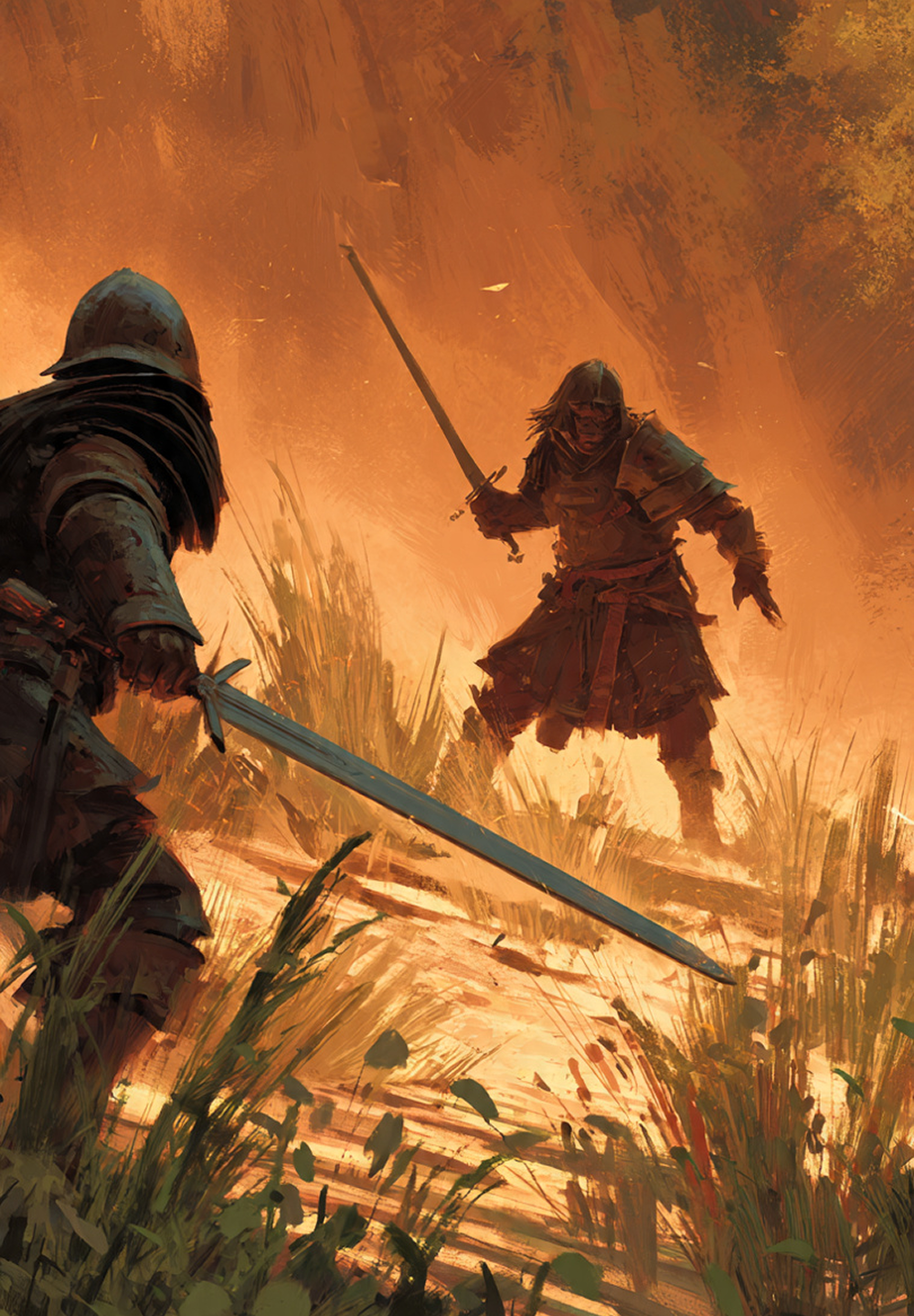
When One Step Back Turns Into a Blade in the Ribs
Listen here, lad.
There’s a sound I’ve heard on battlefields more times than tankards hittin’ oak.
It ain’t steel.
It ain’t spells.
It’s the sound of someone movin’ when they shouldn’t.
That desperate shuffle backward.
That panicked sidestep.
That little "I’ll just move here instead."
And then comes the crack of steel across bone.
Opportunity Attack.
Clean.
Punishing.
Predictable.
By Grabgar’s hammer, I’ve watched more adventurers fall because they moved without thinking than because enemies were stronger.
Movement kills faster than bad dice.
Especially when fear takes the reins.
The Exact Step Where Everything Went Wrong
You’re locked in melee.
Enemy fighter in front of you.
Heavy armor.
Shield raised.
Weapon steady.
You’re wounded.
Not dying yet.
But close enough to feel it.
Wizard behind you shouts:
"Fall back!"
Your instinct fires.
Get safe.
Get distance.
So you move.
Just five feet.
Just a step.
Simple.
Safe… right?
Wrong.
The enemy doesn't hesitate.
Steel flashes.
Opportunity Attack lands.
Hard.
Damage spikes.
Now you're down.
Not because you were reckless.
Because you moved without calculating the cost.
And the worst part?
You thought you were doing the smart thing.
Why Panic Movement Gets More Heroes Killed Than Bad Dice
The Panic Movement Reflex
This one’s dangerous because it feels correct.
Players believe distance equals safety.
So when pressure rises…
They move.
Not strategically.
Not deliberately.
Emotionally.
The Panic Movement Reflex happens when fear overrides calculation.
Movement becomes reaction instead of decision.
And when that happens…
Opportunity Attacks become execution tools.
Not punishment.
Execution.
The Moment You Should Have Held Your Ground
When Movement Is Safe - And When It Isn't
There is always a moment.
Right before movement.
A silent calculation window.
Veterans use it.
New players skip it.
You should pause before moving when:
You are inside melee range
Enemy reactions are still available
Your movement crosses threatened space
Your HP margin is already thin
Movement becomes safe when:
Enemy reactions are spent
You Disengage
You force movement instead of taking it
Allies lock enemy positioning
Not before.
Never before.
The correct movement happens after reaction risks are accounted for.
Not before.
What Happens When You Turn Your Back at the Wrong Time
If You Move Without Calculating
You step away.
Opportunity Attack triggers.
Damage spikes.
You drop.
Cleric spends emergency healing.
Enemy presses forward.
Formation collapses.
Spellcasters become exposed.
And suddenly the fight isn’t tactical anymore.
It’s survival chaos.
All because of one step.
One small step.
If You Respect the Threat Zone
You pause.
You assess.
You choose.
Disengage.
Hold position.
Let allies reposition first.
Enemy loses pressure advantage.
Movement happens safely.
Formation stays intact.
And the fight remains stable instead of collapsing into panic.
Movement becomes control.
Not escape.
How Veterans Move Without Giving Enemies Free Hits
The One-Second Rule Before Moving
Here’s the behavior shift.
Simple.
Repeatable.
Reliable.
Before moving, ask:
"Will this trigger an Opportunity Attack?"
If yes:
Choose one:
Disengage
Stay put
Let an ally reposition first
Force the enemy to move instead
Never move blindly.
Movement is not escape.
Movement is risk.
If movement strategy is still murky, you’ll want to study why one good position beats three extra attacks every time - because positioning mistakes multiply faster than damage mistakes.
And if fear has ever pushed you into bad choices, playing your first RPG - what happens when the dice betray you shows how panic decisions spiral into bigger losses.
The Survivor’s Path - Learn the Discipline Before the Panic Hits
If this moment feels familiar, start strengthening your battlefield instincts here:
About Mike’s Tavern - learn why survival always comes before glory
FAQ - understand the mechanics that quietly decide survival
Contact the Tavern - reach out if yer table needs steady tactical footing
And if battlefield movement keeps getting messy, these lessons sharpen awareness:
Because the difference between survival and collapse is rarely strength.
It’s judgment.
How One Bad Step Turns Into a Full Party Collapse
What Happens If This Mistake Repeats
Unchecked movement mistakes spread quietly.
Players start fearing repositioning.
Frontliners hesitate.
Casters become trapped.
Encounters feel harder than intended.
Confidence drains.
And over multiple sessions…
The party stops trusting movement entirely.
That’s when battlefield control collapses.
Not because enemies improved.
Because movement discipline never formed.
And without discipline…
Opportunity Attacks become predictable casualties.
Not tactical events.
The Discipline That Keeps Fighters Alive Longer Than Luck
Look here, lad.
Movement ain’t freedom.
It’s commitment.
Every step has weight.
Every square carries consequence.
Veterans don’t run.
They reposition.
They don’t panic.
They calculate.
And once you build that habit…
You stop feeding enemies free damage.
You stop collapsing formations.
You stop dying to mistakes that felt harmless.
Not because enemies weakened.
Because you learned discipline.
Before You Move Again… Think About This
Take these with ye into the next session.
And answer truthfully.
When was the last time you moved without checking reaction risk?
Did fear ever push you into movement that made things worse?
Have you ever dropped because of a single careless step?
What enemy reaction did you ignore last time?
What movement would have been safer if you paused one second longer?
