
Hobbits Hole Roleplaying Club: A London Roleplaying Club for Adventurers Looking for a Regular Table
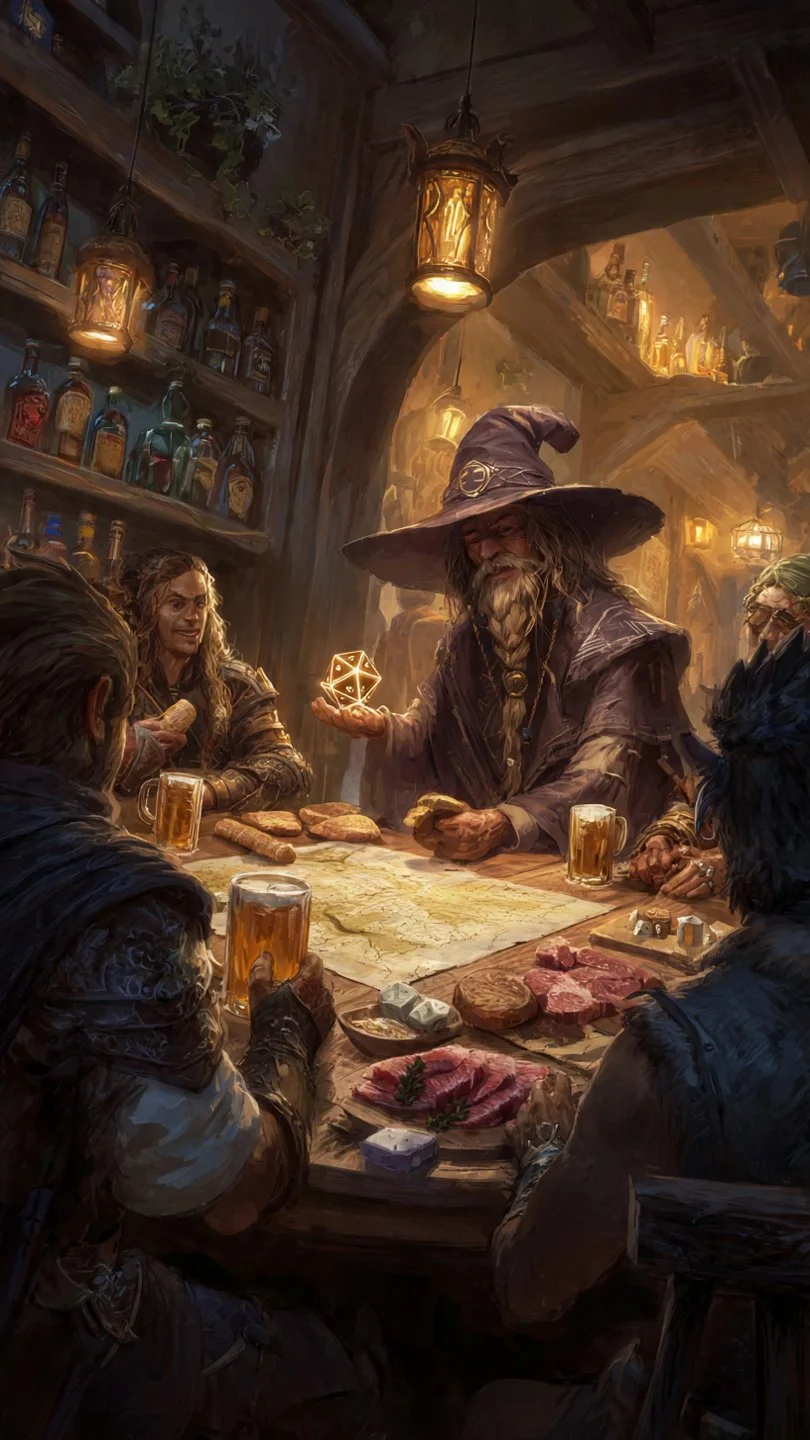
Some tabletop spaces are built around products.
Others are built around events.
But places like Hobbits Hole Roleplaying Club are built around something harder to create: consistency!
Based in the UK, Hobbits Hole Roleplaying Club appears to focus less on spectacle and more on building a stable, welcoming tabletop community where players can regularly gather, join campaigns, meet Game Masters, and explore a broad range of roleplaying systems together. That gives it a very different identity from commercial board game cafés or high-turnover public gaming spaces.
For the growing Tavern Network, that kind of long-term community structure matters a great deal.
A Tabletop Club Built Around Community First
One of the strongest signs of a healthy tabletop space is whether players keep returning week after week.
Hobbits Hole Roleplaying Club seems to succeed because it creates an environment where people do not simply attend sessions. They become part of a recurring social space. Players describe the club as welcoming, friendly, organised, and supportive toward both experienced roleplayers and complete newcomers.
That balance is difficult to maintain in tabletop gaming.
Some RPG groups become so closed-off that beginners feel like outsiders before initiative is even rolled. Others become chaotic enough that long campaigns collapse after a few sessions. Hobbits Hole seems to avoid both problems by leaning into structure, transparency, and organised game rotation.
That alone places it closer to a proper campaign-supportive community than a casual drop-in venue.
Mike grumbles about this exact issue in Top 7 Ways to Find a D&D Venue That Actually Supports Long Campaigns, because long-running campaigns usually survive through good community habits rather than flashy tables.
The Rotation System Is Smarter Than It Sounds
One particularly interesting detail about Hobbits Hole is the mention of its game rotation system.
That may sound small, but it solves one of the oldest problems in tabletop gaming clubs: fairness.
In many gaming communities, the same players end up locked into the same tables forever while new members struggle to join campaigns or Game Masters struggle to find players. A rotation-based approach helps distribute opportunities more evenly, giving players access to preferred games while also giving aspiring GMs a chance to run sessions.
That creates healthier community momentum over time.
It also helps prevent the dreaded clique problem that quietly kills many tabletop groups from the inside. A venue or club that actively encourages movement between tables often becomes far more welcoming to newcomers.
For players comparing different styles of gaming spaces, this connects strongly with the ideas explored in Casual Community Hubs vs Competitive Play Venues.
More Than Just D&D
Another major strength of Hobbits Hole is that it does not appear locked into a single RPG system.
While Dungeons & Dragons is clearly part of the club’s identity, players also mention broader roleplaying support, including systems like WFRP, Era, and other campaigns. That matters because many long-term tabletop players eventually branch outward from D&D into horror systems, sci-fi games, narrative-heavy systems, grimdark settings, or experimental indie RPGs.
A club that supports multiple systems tends to create more durable tabletop communities because players can evolve without leaving the group behind.
That flexibility is one reason venues like Games Island and The Attic Fürth continue attracting a wide spread of tabletop players rather than only one narrow audience.
A Strong Option for New Players
Perhaps the biggest strength of Hobbits Hole Roleplaying Club is how often people describe it as supportive toward beginners.
That matters far more than many veterans realise.
For someone trying tabletop RPGs for the first time, the social atmosphere around the table can determine whether they stay in the hobby at all. Friendly players, patient GMs, organised systems, and approachable communities are often more important than production value.
Hobbits Hole seems to understand this well.
Rather than feeling like a competitive gaming environment or a closed private circle, the club appears designed to help new players slowly settle into the hobby at their own pace. That makes it especially valuable for people who have always wanted to try roleplaying games but never had a safe entry point.
For a wider look at how different tabletop spaces shape play, Mike’s Tavern Network gathers venues, clubs, cafés, and game stores for adventurers who want better places to roll dice.
The Online Transition Says a Lot About the Club
One small detail that says quite a lot about Hobbits Hole is that the community reportedly shifted online during the pandemic and continued functioning rather than disappearing entirely.
That usually signals a genuine social foundation beneath the games themselves.
Many gaming groups vanished during that period because the venue was the only thing holding the community together. Groups with strong friendships, healthy organisation, and active members often survived by adapting instead.
That resilience suggests Hobbits Hole is not merely a place people attend. It is a club people actively care about.
Best Fit
Hobbits Hole Roleplaying Club appears best suited for players looking for recurring campaigns, organised community play, beginner-friendly roleplaying, and access to multiple RPG systems rather than only D&D.
It is likely especially appealing for players who value long-term social connections over one-off commercial gaming experiences.
For travellers looking for a flashy themed tavern experience, other venues may offer more spectacle. But for players searching for a genuine tabletop community where campaigns, friendships, and regular weekly gaming still matter, Hobbits Hole seems to offer something increasingly rare.
Mike’s Tavern Take
By Margann’s dusty ledger, clubs like this are important.
Not every great tabletop space needs neon lights, massive shelves, themed cocktails, or giant gaming halls. Sometimes the strongest communities are built around organised tables, welcoming people, fair systems, and the simple promise that adventurers will still be gathering there next week.
Hobbits Hole Roleplaying Club feels closer to an old-fashioned campaign hall than a commercial venue, and that is not a weakness. That is its strength.
And for weary adventurers hunting stable groups instead of random one-night tables, that may be exactly what they need.
