
The Overcommitment Spiral: When Staying Too Long Ends Campaigns
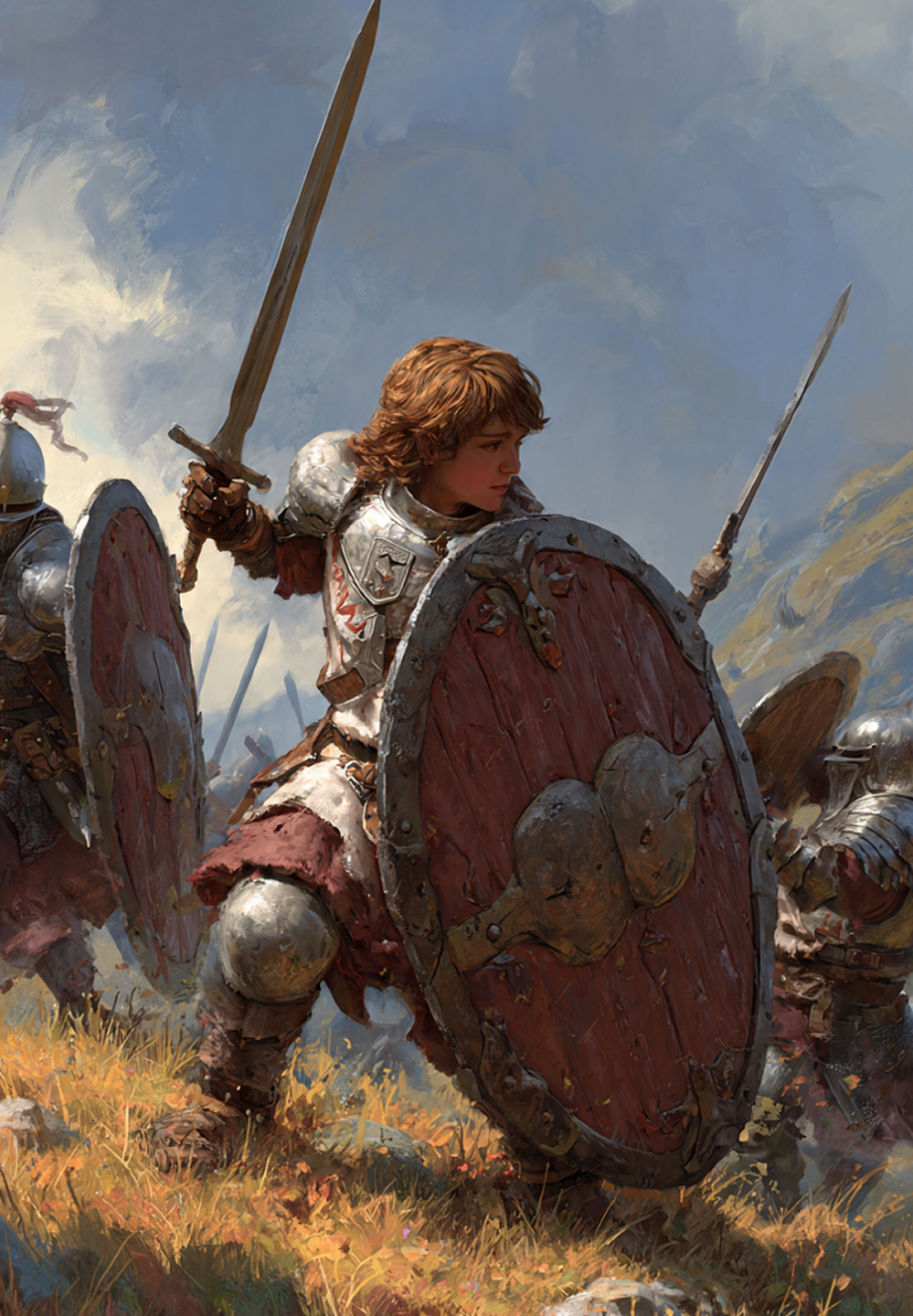
When “Just One More Round” Becomes the Last Mistake
Listen here, lad.
There’s a moment in every losing fight where someone says the most dangerous words in the whole blasted campaign:
"We can still win this."
Not because they’re brave.
Because they’re stubborn.
I’ve seen it happen in caves, castles, swamp roads, and narrow stone halls where retreat was possible but pride said otherwise.
Enemy numbers rising.
Spell slots draining.
Armor cracked.
Breath short.
Still someone grips their weapon tighter and refuses to step back.
And by Durven’s last tankard, that’s when the spiral begins.
Not defeat.
Not retreat.
The Overcommitment Spiral.
Where staying one round too long turns a hard fight into a deadly one.
The Moment the Fight Should Have Ended… But Didn’t
The party pushes deeper into enemy territory.
Initial fight looked manageable.
Two enemies.
Then three.
Then more footsteps echo from the darkness.
Reinforcements.
Unexpected.
But survivable… maybe.
Frontliner takes damage.
Wizard burns second-highest slot.
Cleric checks healing reserves.
Still workable.
Still stable.
Then comes the turning point.
Enemy numbers exceed party pressure.
Damage starts landing faster than it can be repaired.
Movement becomes crowded.
Options shrink.
And someone says it.
"We’ve come this far."
That’s not strategy.
That’s pride talking.
And pride kills faster than steel.
Why Players Stay Too Long Even When They Know It’s Bad
The Commitment Bias Spiral
This one runs deep.
Deeper than panic.
Deeper than hesitation.
Players commit resources.
Time.
Position.
Spell slots.
Once those investments stack up…
They feel forced to continue.
Not because it’s wise.
Because stopping feels like failure.
That’s the Commitment Bias Spiral.
The belief that effort already spent justifies continued risk.
Instead of evaluating the current battlefield…
Players protect their past decisions.
And the battlefield doesn’t care about past decisions.
Only current reality.
The Exact Moment Retreat Was Still Possible
When Retreat Becomes the Correct Tactical Choice
There is always a retreat window.
Always.
The mistake happens when players wait too long to recognize it.
Retreat becomes correct when:
Enemy numbers exceed original expectations
Damage output no longer matches incoming pressure
Spell resources fall below sustainable levels
Positioning options shrink instead of expand
Not when defeat is certain.
Before that.
Retreat is strongest when the party still has structure.
Not when it collapses.
Veteran parties retreat while they still control the battlefield.
Not after losing control.
What Happens When No One Calls the Retreat
If You Stay Too Long
Damage spreads faster.
Healing drains faster.
Movement options disappear.
Frontline breaks.
Casters get exposed.
Emergency spells trigger too late.
Escape becomes impossible.
Then the wipe happens.
Not suddenly.
Predictably.
Because the retreat decision never came.
Not because enemies were stronger.
Because pride was louder than judgment.
If You Retreat at the Correct Moment
Movement begins early.
Formation stays intact.
Rear guard holds pressure.
Casters reposition safely.
Healing stabilizes.
Enemy pursuit slows.
Distance grows.
Fight ends on your terms.
Not theirs.
And most importantly…
The campaign continues.
Not because victory happened.
Because survival did.
How Veterans Know When to Leave Before It’s Too Late
The Three-Signal Retreat Rule
Here’s the behavior shift veterans follow.
Watch for three signals:
1 - Enemy numbers increase beyond expectation
2 - Party damage output falls behind enemy pressure
3 - Healing begins reacting instead of stabilizing
If two of these appear…
Retreat preparation begins.
Not negotiation.
Preparation.
Movement planning.
Positioning shifts.
Exit awareness.
If you’ve ever stayed in fights that should have ended earlier, you’ll recognize echoes of this pattern in why power builds fail when the party falls apart - because raw strength never fixes broken timing.
And if group survival discipline still feels uncertain, lessons like smart players don’t rush in - here’s what they do instead reinforce the mindset needed to leave before collapse.
The Survivor’s Ledger - Know When Survival Matters More Than Victory
If this pattern feels familiar, start building discipline here:
And if your table struggles with knowing when to press forward or pull back, these lessons sharpen that judgment:
Because retreat ain’t surrender.
It’s survival strategy.
How One Extra Round Turns Into a Total Party Kill
What Happens When Retreat Discipline Never Forms
Overcommitment spreads slowly.
First one near-loss.
Then another.
Then harder encounters feel impossible.
Players start burning high-level resources too early.
Spell fatigue builds across sessions.
Confidence erodes.
Risk tolerance increases.
Not because players improved.
Because fear of retreat turned into stubbornness.
And stubborn tables don’t collapse loudly.
They collapse quietly.
Through exhaustion.
Through attrition.
Through repeated near-failures that finally turn into permanent ones.
Campaign endings rarely come from one mistake.
They come from repeated refusal to leave losing fights.
The Wisdom That Separates Survivors From Martyrs
Look here, lad.
Victory ain’t measured in slain enemies.
It’s measured in continued stories.
Veteran adventurers don’t chase impossible wins.
They protect survival.
They protect momentum.
They protect the party.
Because the smartest fighter ain’t the one who swings longest.
It’s the one who knows when to step away.
And when ye learn that lesson…
Campaigns stop ending early.
Characters stop dying needlessly.
And fights stop feeling unwinnable.
Not because enemies weakened.
Because judgment strengthened.
Before the Next Fight… Decide Your Breaking Point
Take these into your next session.
And answer honestly.
1 - When was the last time your party stayed in a fight longer than it should have?
2 - Did pride ever override survival logic at your table?
3 - Have you ignored early warning signs because retreat felt like failure?
4 - What signal would tell you a fight is turning against you?
5 - How early should retreat preparation begin next time?
