
When to Let the Party Win And When to Let Them Bleed
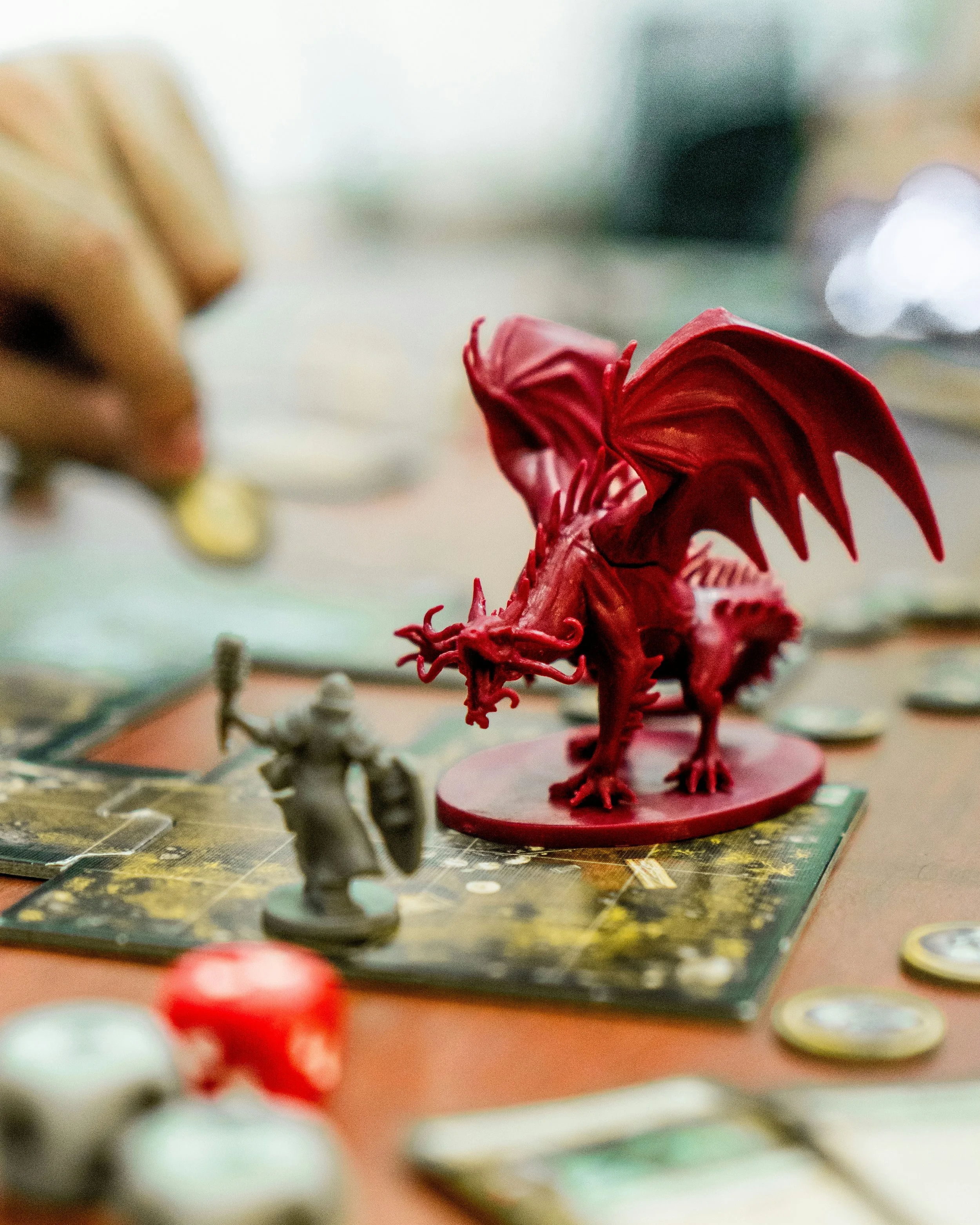
Every GM wrestles with this, whether they admit it or not. When should you ease off and let the party feel powerful, and when should you tighten your grip and let the consequences bite?
Get this wrong and combat feels hollow or cruel. Get it right and your table trusts you with their best moments and their worst mistakes. This is GM Wisdom because the answer has very little to do with balance and everything to do with timing.
Let Them Win When They’ve Earned Clarity
Let the party win cleanly when their choices are sharp.
If they scout well, plan together, read the battlefield, and adapt mid-fight, the victory should feel decisive. Don’t drag it out to “make it harder.” Don’t pad hit points because it feels anticlimactic.
A clear win teaches the table that smart play matters.
Dragging out earned victories teaches players that effort doesn’t change outcomes. That’s how enthusiasm dies quietly.
If you’ve ever watched a table go flat after a fight that should have felt triumphant, when every battle feels like a board meeting with dice explains why that happens.
Let Them Bleed When They Ignore Warnings
Bleeding is for bad decisions, not bad luck.
If the party rushes in blind, ignores obvious threats, splits without a plan, or repeats a failing tactic, that’s when the world pushes back. Hard.
This isn’t punishment. It’s feedback.
Combat should hurt when players gamble recklessly, because danger without consequence teaches nothing. The key is that the pain must be traceable. Players should be able to point to the choice that caused it.
Victory Builds Trust, Bleeding Builds Respect
Winning builds confidence. Bleeding builds caution.
A table that only wins grows careless. A table that only bleeds grows paranoid. You need both for a healthy campaign.
Veteran GMs rotate pressure. A hard-earned win is often followed by a reminder that the world is still dangerous. A brutal fight is often followed by a moment where preparation pays off and things go smoothly.
That rhythm keeps players leaning forward instead of bracing for impact every session.
If party tension is already present, misjudging this balance can tear things open. Why your party keeps falling apart and how to stop being the reason is worth revisiting before you crank the dial.
Mike Slams the Bar and Growls
“By Harnak’s shattered pickaxe, I’ve seen GMs squeeze the life outta a win because they didn’t trust it. Listen here, lad. If the party fights smart, LET ’EM HAVE IT. And if they charge in like goblin-lovin’ milk-drinkers with no plan and no eyes, then aye, let ’em bleed a bit. Not ta be cruel, but ta teach. A tavern brawl’s the same way. Folk learn fast when the floor hits back.”
Let Them Win to Reinforce the Campaign’s Tone
Not every fight should threaten death.
Some encounters exist to show growth. Old enemies fall faster. Once-feared tactics no longer work. The party feels the weight of their experience.
These wins remind players how far they’ve come and why their choices matter over time. Without them, progress feels theoretical instead of lived.
If you constantly escalate difficulty to match power, players never feel stronger. They just feel busier.
If you’re struggling to pace this without burning out, top 5 ways to up yer GM game without tearin’ the whole thing down focuses on tuning feel, not numbers.
Let Them Bleed to Protect the World’s Integrity
Bleeding moments preserve the setting.
If the world never pushes back, it stops feeling real. Guards become decorations. Monsters become loot pinatas. Decisions lose weight.
Letting the party bleed occasionally reminds them that the world doesn’t revolve around their success. It reacts to it.
The key is restraint. Bleeding should create scars, not resentment. Injuries, lost resources, complications, and narrow escapes teach far more than sudden death.
If exhaustion is creeping in on your side of the screen, that’s a warning sign. When you can’t tell if you’re burnt out or just tired of them helps you check yourself before the table pays for it.
The GM’s Decision Checkpoint
Before you decide whether to ease off or tighten the screws, ask yourself:
Did the party read the situation correctly?
Were they communicating and adapting?
Were warnings ignored or respected?
If the answers favor the players, let them win.
If the answers point to arrogance, haste, or tunnel vision, let them bleed.
Simple. Hard. Honest.
If you’re new to the tavern, understanding this philosophy helps frame every encounter. Start with about Mike’s Tavern or skim the FAQ to get the lay of the land.
Why This Balance Keeps Campaigns Alive
Players don’t want safety. They want fairness.
They want to know that good play is rewarded and bad play has teeth. When you balance wins and wounds with intention, they stop second-guessing you and start trusting the world.
That trust is the foundation of long campaigns.
Mike Has the Last Word, Naturally
“Look here, lad. A good GM knows when ta clap and when ta crack knuckles. Let ’em feel strong when they earn it. Let ’em feel pain when they earn that too. Do it honest, do it fair, and by Grabgar’s hammer, they’ll follow ye anywhere, even limpin’ and laughin’ the whole way.”
If this helped you recalibrate your instincts, don’t keep it to yourself. You can always reach out through the contact page or keep wanderin’ the GM Wisdom shelves. There’s always another hard-earned lesson waitin’ for the right night at the table.
