
Building Boss Fights That Don’t Collapse in Two Rounds
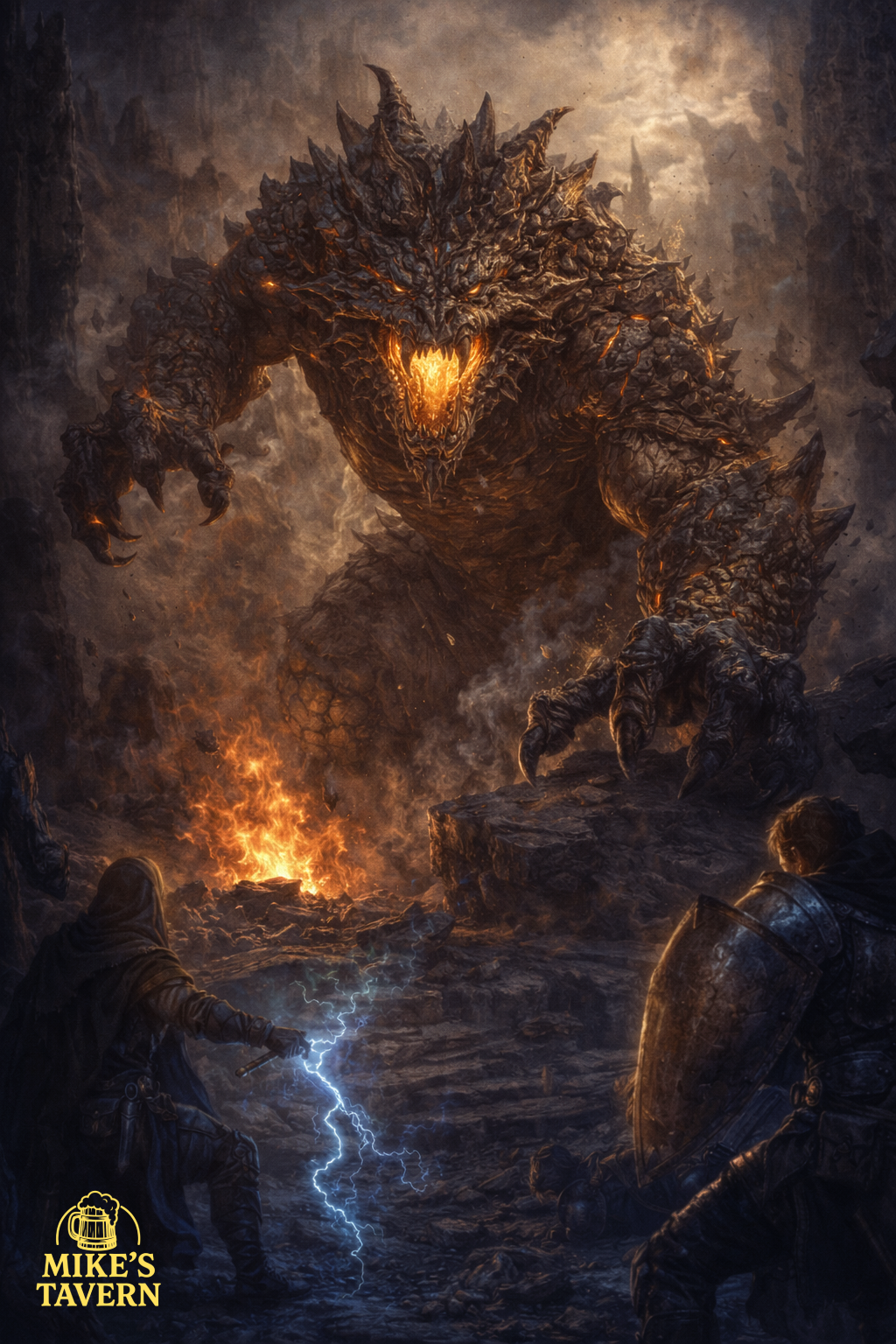
Every GM has felt this pain. You prep the villain. You give them lore, menace, music. The table leans in. Dice hit the table.
And then the boss evaporates in two rounds.
This isn’t because your players are clever. It’s because most boss fights are built like tougher monsters instead of different encounters. A good boss doesn’t win by raw stats. A good boss survives by forcing decisions, buying time, and refusing to be solved immediately.
This is GM Wisdom because once players learn they can alpha-strike every major threat, tension dies fast.
Why Bosses Die So Quickly
Most boss fights collapse for three predictable reasons.
First, they fight alone. Action economy crushes solitary enemies, no matter how strong they look on paper. Five turns against one will always win eventually.
Second, they rely on hit points instead of disruption. A pile of HP is just a timer, and optimized parties are excellent at racing clocks.
Third, they don’t change. Players solve the puzzle once and then repeat it until the boss falls over.
If your fights are starting to feel like execution rather than confrontation, when every battle feels like a board meeting with dice is usually already lurking nearby.
Build Bosses Around Time, Not Damage
A boss should survive long enough to matter.
That doesn’t mean more damage. It means time pressure. Rituals nearing completion. Terrain degrading. Reinforcements moving closer. The longer the fight goes, the worse the situation becomes.
Now the boss doesn’t need to kill anyone. They just need to last.
This shifts player focus from “delete target” to “solve problem,” which slows down burst strategies naturally.
If you want a model for how pressure ends fights without stealing agency, how to end a fight early without stealing anyone’s spotlight applies just as much to bosses as it does to skirmishes.
Give the Boss Ways to Say “Not Yet”
Bosses should have limited, visible defenses that delay destruction without negating player success.
Phases. Shields. Reactions. Terrain control. Forced movement. Interrupts that trigger on obvious player behavior.
The key is that these defenses must be readable. Players should understand why their usual tricks didn’t end the fight instantly.
If the boss survives because the rules bent secretly, trust erodes. If the boss survives because the players can see the protection and work around it, tension skyrockets.
Mike Slams the Table, Again
“By Koldron’s flaming apron, if yer big bad folds the moment the rogue sneezes and the wizard blinks, that ain’t a boss. That’s a sack with a name tag. A real terror makes folk work for it. Makes ’em sweat. Makes ’em argue about who does what next while the floor’s fallin’ apart beneath ’em.”
Never Let the Boss Fight Alone
A boss without support is a math problem. A boss with support is a battlefield.
Minions don’t exist to deal damage. They exist to:
Break concentration
Force positioning choices
Eat actions
Create chaos
They don’t need to live long. They just need to exist long enough to disrupt the party’s rhythm.
If party cohesion is already shaky, this matters even more. Why your party keeps falling apart and how to stop being the reason explains how encounter pressure can either unite or fracture a table.
Let the Boss React to Repetition
Bosses should learn during the fight.
If the same tactic gets used twice, the boss adapts. Moves. Counters. Changes targets. Alters terrain.
This doesn’t mean shutting players down permanently. It means forcing evolution.
Static bosses get solved. Reactive bosses stay dangerous.
Don’t Be Afraid of Retreat or Escape
A boss that escapes isn’t a failure. It’s a hook.
Escapes preserve threat, protect pacing, and stop climactic encounters from turning anticlimactic. They also teach players that victory isn’t always a corpse on the floor.
The key is signaling. Players should know escape is possible and why it happened.
If every boss must die the moment they appear, you’re training your table to expect fireworks instead of stories.
The GM’s Boss Design Checkpoint
Before running a boss fight, ask yourself:
What keeps this fight alive past round two?
How does the boss respond to repeated tactics?
What changes if the party does nothing different?
If the answer is “nothing,” the boss is already dead.
If you want to refine this instinct without burning yourself out, top 5 ways to up yer GM game without tearin’ the whole thing down keeps the focus on feel, not stat inflation.
If you’re new to the tavern, understanding the house philosophy helps everything click. Start with about Mike’s Tavern or skim the FAQ before rebuilding your next villain.
Why Longer Boss Fights Feel Better
Boss fights don’t need to be longer in rounds. They need to be longer in decisions.
When players are forced to adapt, communicate, and reassess mid-fight, time stretches naturally. The encounter becomes memorable without becoming exhausting.
That’s the sweet spot.
Mike’s Final Grumble
“Listen here, lad. A boss ain’t there ta win. It’s there ta be remembered. Make ’em sweat for it. Make ’em change plans. Make ’em earn the last blow. Do that, and by Grabgar’s hammer, they’ll still be talkin’ about that fight long after the ale’s gone warm.”
If this helped you rethink your boss encounters, don’t sit on it. You can always reach out through the contact page or keep wanderin’ the GM Wisdom shelves. There’s always another hard-earned lesson waitin’ behind the screen.
