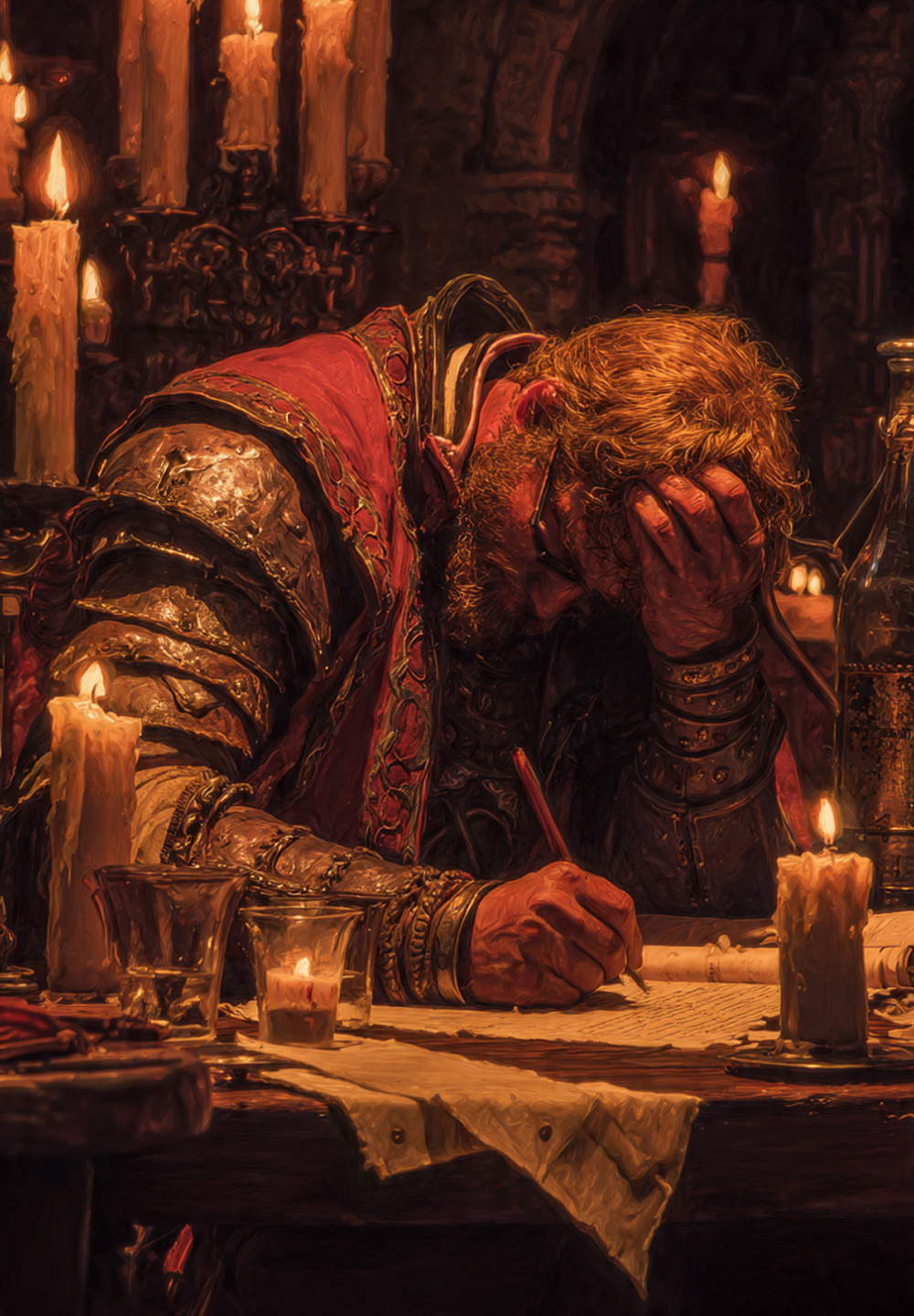
Lets get you started on your first adventure, Game Master! Take these tool, laddie, these ones are on me!

Why This Skill Matters Before You Ever Roll Dice
If this is your first time running a game, there is a good chance you are already thinking about control. Not in a harsh way, but in a worried way. You may be wondering whether players will ignore you, talk over each other, or push the story in directions you cannot manage. At the same time, you may also be afraid of sounding too strict or shutting people down when they are trying to have fun.
That tension is normal. In fact, it is one of the earliest signs that you care about the table and the experience you are about to lead.
Authority at a tabletop roleplaying game is not about dominance. It is not about speaking the loudest or correcting every mistake. Authority is about providing structure that makes everyone feel safe to participate. When players trust that the Game Master is steady and fair, they take risks in character, speak more freely, and lean into the story. When authority is missing, hesitation begins almost immediately.
Many first-time Game Masters struggle with the balance between structure and freedom. Some become overly permissive and allow constant interruptions or rule confusion. Others overcorrect and shut down creativity because they fear losing control. Neither extreme helps the table grow.
Authority, when done well, feels quiet. It feels predictable. It gives players the confidence to engage instead of retreat.
If you have ever noticed how powerful listening can be in shaping group behavior, you may benefit from reading The Strongest Character at the Table Is the One Who Listens. Leadership at the table often begins not with speaking, but with attention.
This skill matters before your first die roll because the tone you set in the first few minutes often determines how the entire session unfolds. Players notice how you respond to confusion. They notice whether you pause or rush. They notice whether correction feels safe or sharp. Those small signals become the invisible foundation of your authority.
You do not need to be forceful to lead. You only need to be steady.
What This Skill Actually Looks Like at the Table
Authority at the table is not dramatic. It is not loud. Most of the time, it shows up in small, quiet decisions that keep the group moving without pressure.
Imagine this moment.
A player begins describing an action while another interrupts with a joke. A third player tries to jump ahead and declare something unrelated. The energy in the room starts to scatter. Everyone is speaking, but no one is listening.
A new Game Master might freeze in this moment, unsure whether to interrupt or wait.
A steady Game Master does something simple.
They raise a hand slightly and say, in a calm voice:
“Hang on a moment. Let’s finish hearing what Alex was doing first. Then we’ll come back to you.”
The tone is not sharp. It is not defensive. It is clear.
Alex finishes speaking. The table quiets. The conversation becomes structured again without embarrassment or tension.
That is authority without crushing the table.
It also shows up when correcting rules.
A player rolls the wrong die. They look embarrassed and begin apologizing.
Instead of correcting harshly, the Game Master says:
“That happens all the time. Let’s switch that to the correct die and keep going.”
No lecture. No frustration. Just guidance.
If you are curious about how structure affects pacing and decision-making, especially when games begin to feel rigid or mechanical, you may find insight in When Every Battle Feels Like a Board Meeting With Dice. Authority plays a major role in whether play feels natural or forced.
Good authority rarely feels like control. It feels like direction.

The Tavern Toolset
Lets get ya started on yer first adventure, Game Master! Take these tool, laddie, these ones are on me!
The Most Common Mistakes New GMs Make With This Skill
Mistakes with authority usually come from fear, not intention. Recognizing these patterns early allows you to correct them before they become habits.
Talking over players when things feel chaotic.
This often happens when a Game Master feels pressure to regain control quickly. Unfortunately, speaking louder or faster usually increases confusion instead of reducing it.
Avoiding correction entirely.
Some new Game Masters allow repeated interruptions or rule confusion because they fear appearing strict. Over time, this creates uncertainty and weakens trust in the structure of the game.
Overcorrecting small mistakes.
Correcting every tiny detail can make players feel watched rather than supported. Authority should guide the table, not restrict it unnecessarily.
Apologizing excessively when giving direction.
Saying “sorry” repeatedly while managing the table weakens confidence signals. Direction should feel calm and natural, not hesitant.
Ignoring quieter players.
When attention goes only to the loudest voices, quieter players slowly disengage. Authority protects participation across the whole table.
If your players struggle to speak up or feel overshadowed, resources like How to Speak Up Without Freezin at the Table can help both you and them understand how communication patterns develop during play.
Mistakes are expected. Awareness is what transforms them into learning moments.
How to Practice This Skill Before Your First Session
You do not need a full group to practice authority. In fact, some of the best preparation happens before you ever sit at the table.
Practice speaking short, clear instructions out loud.
Choose simple phrases such as, “Let’s resolve this one step at a time,” or “We’ll come back to you next.” Speak them slowly. Practice using a calm tone instead of a rushed one. Your voice becomes one of your most important tools.
Practice pausing before responding.
When someone speaks, count silently to two before replying. This prevents rushed reactions and helps you sound composed even when uncertain.
Practice redirecting conversation gently.
Imagine a scenario where two people speak at once. Practice saying, “Let’s finish hearing this first,” or “One at a time so I don’t miss anything.” The phrasing matters less than the tone.
Practice setting expectations aloud.
Before your first session, rehearse saying something like: “I’ll guide the pace, but your choices shape the story.” This reinforces authority while welcoming collaboration.
Practice observing silence without panic.
Sit in a quiet room and count to five without speaking. Learn to tolerate stillness. Silence is not failure. It is often thinking time.
These drills are small, but they build muscle memory. The more familiar your voice becomes to you, the more natural authority will feel at the table.
If you want to understand how preparation shapes long-term stability, the background guidance found in About Mike’s Tavern explains how consistent structure builds trust over time.
Preparation does not remove nerves. It gives you something solid to stand on while nervous.
What Happens If You Ignore This Skill
Ignoring authority does not usually cause immediate collapse. The breakdown happens slowly, often across multiple sessions.
Session 1 — Confusion appears in small ways.
Players interrupt each other occasionally. Rules are questioned repeatedly. The Game Master hesitates when giving direction. The session still finishes, but it feels scattered.
Session 2 — Interruptions increase.
Players begin speaking out of turn more often. The pacing becomes uneven. Some players dominate conversation while others withdraw.
Session 3 — Engagement begins to split.
Quieter players contribute less. Louder players push boundaries further. The Game Master spends more time reacting than guiding.
Session 4 — Trust weakens.
Players stop looking to the Game Master for direction. Decisions feel chaotic rather than collaborative. Sessions begin to feel exhausting rather than exciting.
This kind of slow decay often explains why some campaigns lose momentum unexpectedly. Authority is not about preventing fun. It is about protecting the environment where fun can exist.
If you ever feel unsure about how table structure affects long-term engagement, reviewing the questions found in the FAQ may help clarify what players typically expect from their Game Master.
Authority protects momentum. Without it, momentum slowly fades.
The Readiness Check
Take a moment to consider these questions honestly.
Can you give direction without raising your voice?
Can you pause before reacting when multiple players speak at once?
Can you correct mistakes without making players feel embarrassed?
Can you guide the conversation back on track without apologizing for doing so?
Can you notice when quieter players are being overlooked and create space for them to speak?
These questions are not meant to test perfection. They are meant to measure readiness.
Are you ready to run a game with this skill in your hands?
Quick Reference Summary
What this skill does
Holding authority without crushing the table creates a stable environment where players feel safe to participate and explore. It establishes clear pacing while preserving freedom of choice.
When to use it
Use this skill whenever conversation becomes scattered, rules need clarification, or pacing begins to drift. Authority is not reserved for emergencies. It is used continuously in small, steady ways.
One sentence to remember
Authority is not about control. It is about creating safety through consistency.
If you ever feel uncertain about how to strengthen your approach or want to share your experience after your first session, the team behind Contact is always open to hearing how your table is growing.
The First-Time GM Reality Note
Your first session will not be perfect.
There will be pauses. There will be moments where you are unsure what to say next. That is not failure. That is learning happening in real time.
Your players are not expecting flawless authority. They are looking for direction they can trust.
You do not need to crush the table to lead it.
You only need to stand steady while the story begins.
Be Prepared For Your First Campaign