
The Rogue Build for Players Who Hate Being Fragile
What This Build Is, and Why It Exists
Most rogue guides quietly assume something they never say out loud:
that you are okay with being fragile.
That you are fine hiding, darting, disengaging, praying the enemy doesn’t notice you, and folding like wet parchment the moment something does.
This build rejects that completely.
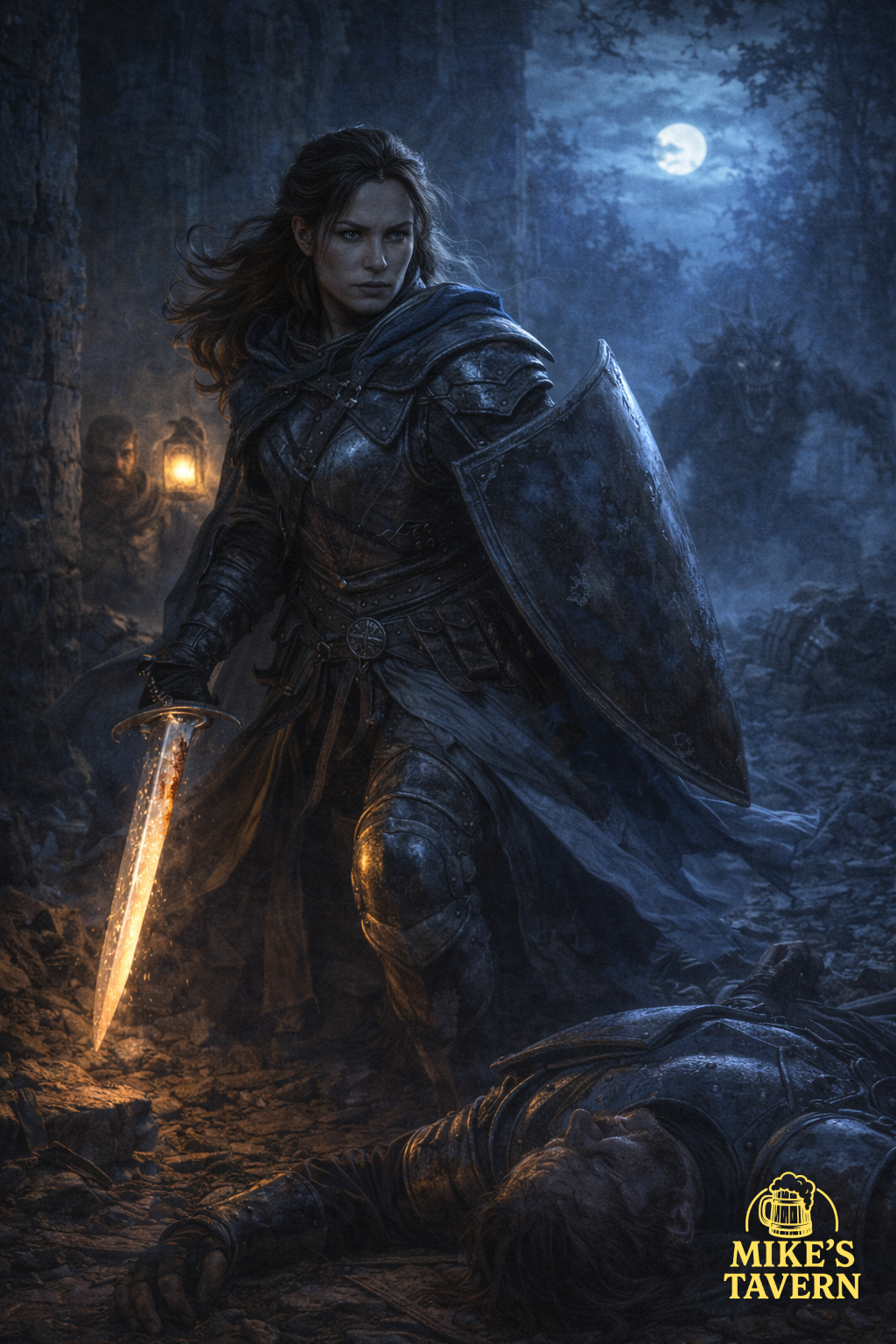
This is a rogue who stays standing.
A rogue who takes hits, holds ground, survives bad turns, and keeps contributing even when things go wrong.
You still sneak.
You still deal precision damage.
But you are no longer living in fear of every stray attack roll.
If you are new to how builds work around here, get oriented first at
About Mike’s Tavern
If your table argues rules the moment survivability comes up, the
FAQ
will spare you at least one argument.
When This Build Shines and When It Doesn’t
This build shines when:
Combat is messy and unpredictable
Enemies flank, rush, or teleport
The GM does not pull punches
The party lacks a perfect front line
You want consistency instead of gambling on stealth every round
This build struggles when:
Every fight is perfectly controlled
The GM never targets rogues
Combat is mostly theoretical and low-risk
If combat at your table feels less like tactics and more like spreadsheets colliding, this explains why:
When every battle feels like a board meeting with dice
Core Philosophy: Survive First, Sneak Second
Traditional rogue play says:
“If you get hit, you messed up.”
This build says:
“You are allowed to exist in the fight.”
Your priorities shift:
Avoid damage when possible
Absorb damage when necessary
Stay active even when plans fail
Never rely on a single tactic to survive
Sneak Attack becomes reliable, not fragile.
Positioning becomes forgiving, not razor-thin.
If your party keeps stepping on each other’s roles, read this before locking in:
Why your party keeps falling apart and how to stop being the reason
Species, Background, and Ability Scores
Recommended Species
Hill Dwarf for durability and extra hit points
Half-Orc for survivability and clutch endurance
Variant Human for early defensive feats
Background Choices
Soldier for grit and resilience
Urchin for classic rogue roots
Criminal or Spy for pragmatic experience
Ability Score Priorities
Dexterity first
Constitution second, not optional
Wisdom third for perception and saves
Strength only if grappling or armor demands it
Intelligence and Charisma are secondary
This rogue does not dump Constitution. Ever.
Subclass Choice: Swashbuckler or Scout
Swashbuckler
Charisma-based initiative, freedom of movement, and one-on-one reliability make this one of the least fragile rogue subclasses in the game. You thrive in the open instead of hiding from it.
Scout
If you prefer battlefield awareness and reactive movement, Scout rewards positioning, speed, and staying relevant even when surrounded.
If you want to understand why defense often outperforms offense long-term, this article clicks immediately:
The shield that bites back: how to turn defense into punishment
Feats That Keep You Alive
Your feats are the spine of this build.
Top picks:
Moderately Armored for shield access
Tough for raw survivability
Resilient (Wisdom) to avoid shutdown effects
Defensive Duelist if you rely on finesse weapons
You are not stacking damage feats. You are stacking time on the battlefield.
If you enjoy extracting value from fundamentals instead of gimmicks, this fits perfectly:
How to get more damage from the same weapon without changing your build
Skills: Staying Alive Is a Skillset
Core skills:
Perception
Athletics or Acrobatics
Stealth (still matters)
Insight
Athletics matters more here than most rogue builds admit. Being able to shove, climb, or resist grapples keeps you alive.
Equipment: Build for Survival, Not Style
Primary Weapon
Rapier for consistency
Shortsword if dual-wielding feels right
Shield
Yes. If you can get one, take it.
Your AC matters more than your ego.
Armor
Medium armor if available
Light armor only if AC remains competitive
Utility Gear
Caltrops
Ball bearings
Healer’s kit
Rope and grappling hook
If someone claims equipment does not matter, hand them this and let them sit with it:
When you’re afraid you’re draggin the party down
Combat Tactics: How This Rogue Actually Fights
You:
Stay near allies instead of vanishing
Accept opportunity attacks when necessary
Trade small damage for position
Use reactions defensively, not greedily
You are not flashy.
You are reliable.
That reliability wins campaigns.
Level-by-Level Guide (Levels 1 to 6)
Level 1
Rogue basics. Prioritize positioning over stealth tricks.
Level 2
Cunning Action arrives. Use it defensively.
Level 3
Subclass defines your survivability style.
Level 4
Feat or Dexterity bump. Take defense first.
Level 5
Uncanny Dodge changes everything. Damage halves add up fast.
Level 6
Expertise deepens consistency. You feel solid now.
Mike Has Thoughts (And They’re Loud)
I’ve seen rogues drop faster than spilled ale because they thought bein clever meant bein brittle. Rubbish. A proper rogue survives mistakes. By Grabgar’s hammer, if one bad roll sends ya to the floor, yer not clever, yer fragile. Build to last. The dungeon don’t care how stylish ya die.
Making This Build Work at the Table
To avoid friction:
Tell the party you are a durable rogue
Coordinate with the front line
Let others shine when kills happen
If your table carries emotional baggage into initiative order, this will feel uncomfortably accurate:
Every party has that one player who brings snacks and trauma
How to Grow After Level 6
From here you can:
Lean into reaction-based defense
Improve saves and condition resistance
Become the rogue who never drops
No multiclassing required. This is discipline, not trickery.
Pathfinder Conversion Notes
For Pathfinder:
Invest in armor proficiency
Stack reactions and mobility
Think in terms of action economy, not burst damage
The philosophy stays intact.
Last Call
This rogue does not survive by hiding better.
They survive by being built properly.
If you want a rogue who keeps standing when plans fail, this is the one.
If you want this adapted to a specific party or system, step up to the bar at Contact
And if you’re still learning how the tavern runs, the FAQ will keep you upright.
