Private Table Rooms vs Open Play Spaces: Which Tabletop Experience Actually Builds Better Campaigns?
Some adventurers want a private room.
Some want an open table in the middle of the gaming hall.
Neither choice is automatically better.
The better choice is the one yer party can afford, enjoy, and return to without feeling drained. That is the whole point of the Tavern Network: helping players and GMs judge venues by fit, not just by whether a table exists.
Private Rooms Are Better When Players Need Control
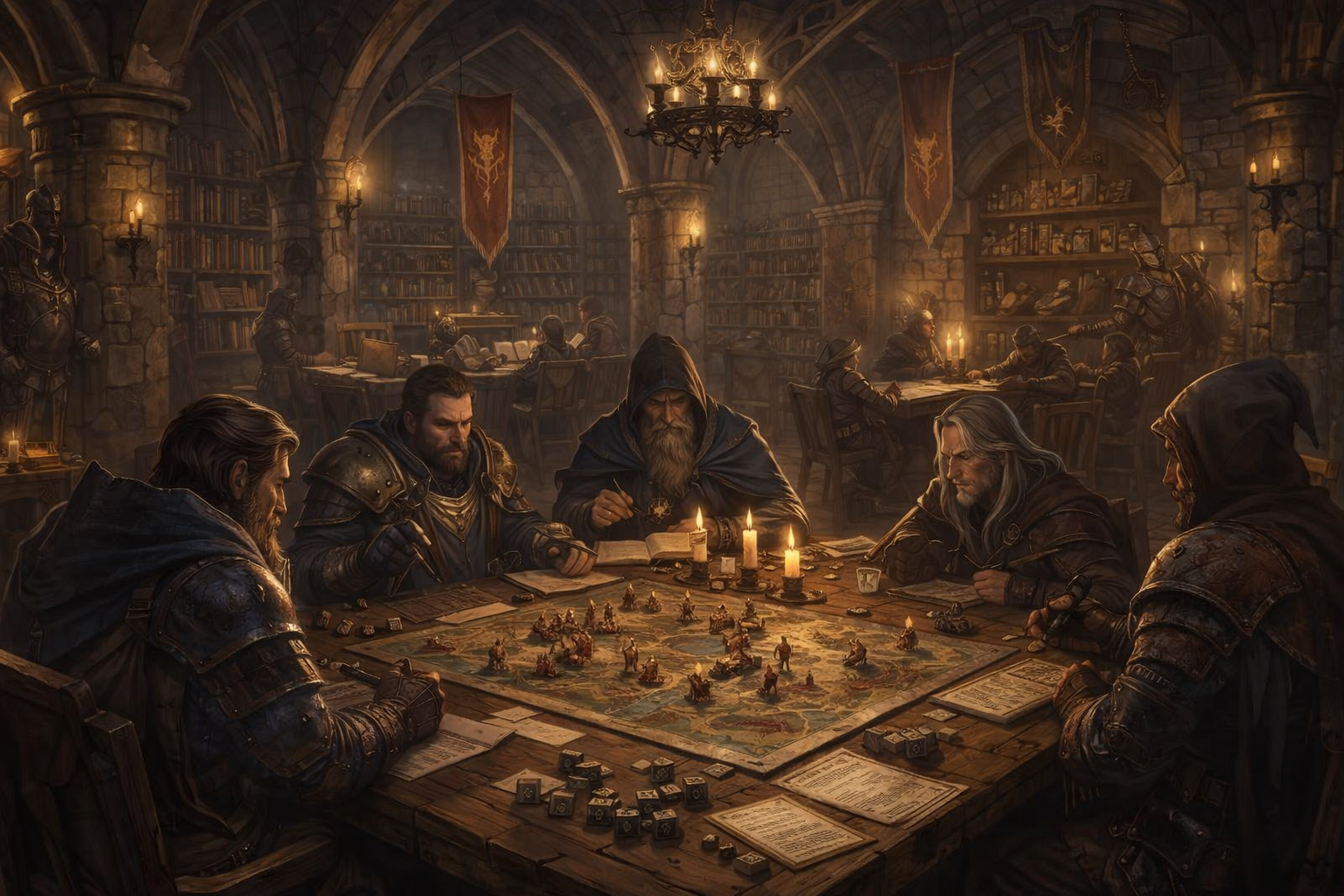
A private table room gives the GM more control over the campaign environment.
That matters when the group needs quiet, privacy, emotional safety, or fewer distractions. If one or more players are autistic, sensitive to noise, easily overwhelmed by crowds, or simply need a calmer environment to enjoy the game, a private room can be worth the premium.
This is not about being fancy.
It is about making the game playable for the people at yer table.
If yer party includes newer or more anxious players, it also helps to read pieces like Running Your First Game: Making Players Feel Safe Enough to Act and When Roleplay Feels Vulnerable and Why That’s Okay. A good venue choice supports the same emotional safety yer trying to build at the table.
Open Play Spaces Are Better When Cost Matters
Private rooms often cost more.
In city areas especially, private rooms can become expensive fast. Some cafés charge a premium for enclosed rooms, longer bookings, or exclusive space. That might be fine for a special event, but painful for a weekly campaign.
Before booking, the GM should ask the party directly:
Can everyone afford this every week?
Would anyone rather play in an open area and spend less?
Is the private room actually needed, or does it just sound nice?
A venue like ME Cafe & Games Singapore or Pixels & Pieces Singapore gives local players useful reference points for judging gaming café comfort, access, and atmosphere.
Open play spaces are often the better choice when the campaign needs to stay affordable.
Private Rooms Help When Spoilers Matter
Here is a real campaign problem.
Sometimes multiple tables are running the same adventure. Maybe the venue hosts organized play. Maybe two GMs are using the same published module. Maybe another table is a few sessions behind yours.
In that case, privacy helps.
A private room prevents other players from overhearing major twists, boss locations, puzzle answers, or campaign secrets. It also lets the GM speak freely without worrying that another table might accidentally learn what is coming.
That said, booking a private room just to prevent spoilers can be an expensive solution. If the budget is tight, the cheaper fix is usually to sit farther away, speak more carefully, or choose a lower-traffic time slot.
Still, for serious long campaigns, privacy has value.
Open Play Spaces Help Players Feel Part of the Community
A private room protects the campaign.
An open play space connects the party to the wider hobby.
That matters too.
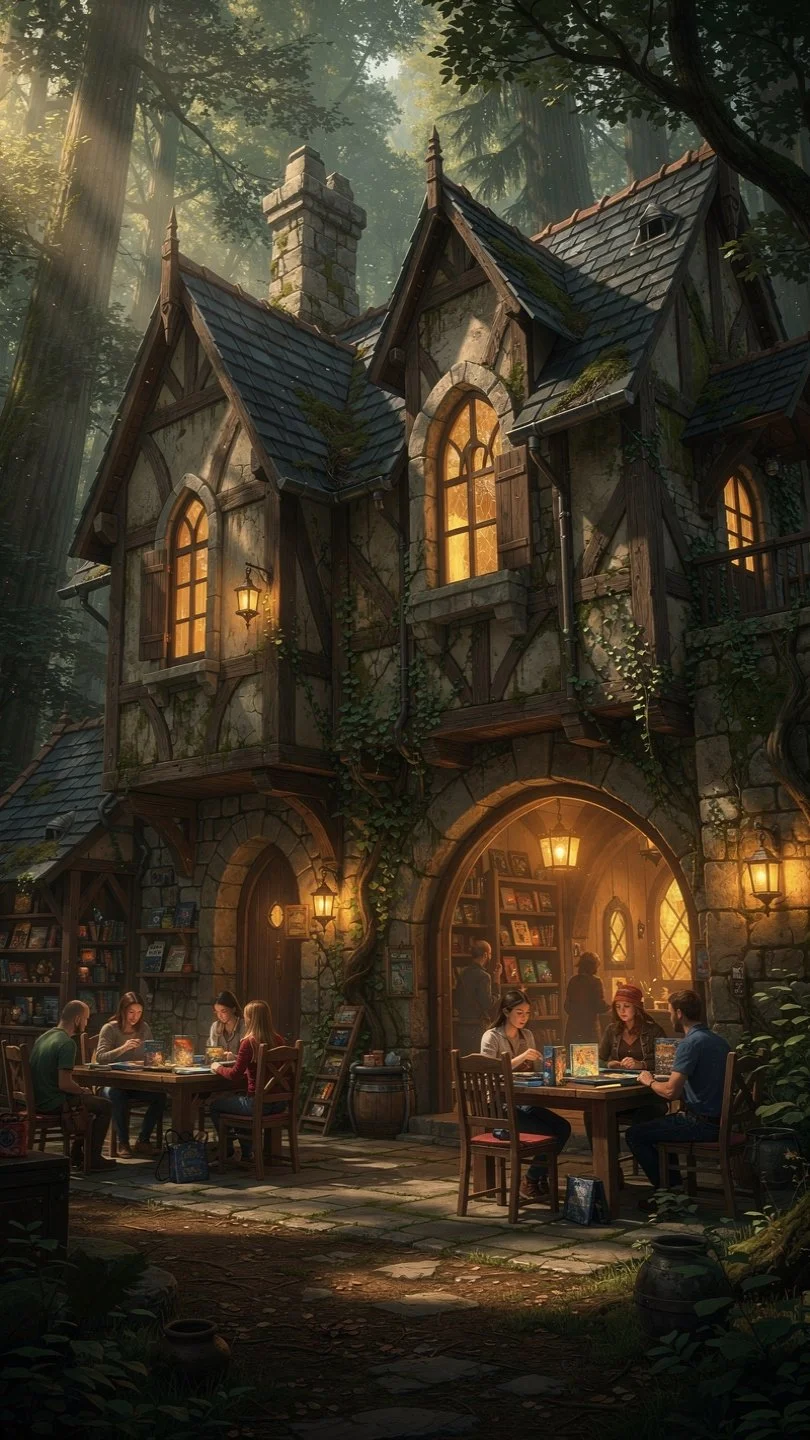
Open tables let players see other games, meet regulars, discover events, and feel part of a living tabletop scene. For newer players, that can be encouraging. For social players, it can make every session feel bigger than just their own table.
Venues like Great Escape Games Sacramento, Games Island in Hof, Germany, and Good Game Banbury show why public tabletop spaces can be powerful. Community is part of the draw.
If yer campaign is casual, social, beginner-friendly, or player-recruitment focused, open play may actually serve the group better.
Private Rooms Are Better for Emotional or Serious Campaigns
Some campaigns need atmosphere.
Horror games. Political intrigue. Heavy character drama. Confession scenes. Betrayals. Final goodbyes. Quiet mystery sessions.
These do not always work well in a noisy public area.
A private room lets players lower their guard. They can act, whisper, argue in character, cry, laugh, or make strange fantasy voices without feeling watched by strangers.
This is especially useful when the campaign requires vulnerability. If yer party is still learning how to communicate honestly, The Strongest Character at the Table Is the One Who Listens fits naturally beside this kind of campaign planning.
Open Play Spaces Are Better for Casual, Loud, or Combat-Heavy Games
Not every campaign needs candlelight and secrecy.
Some games are loud by nature. Dungeon crawls, tactical combat, beer-and-pretzels adventures, monster hunts, and chaotic comedy campaigns often work perfectly well in open gaming halls.
If the group laughs loudly, rolls openly, chats with nearby players, and enjoys the buzz of a busy venue, an open space may be the better fit.
A private room might even make the game feel too sealed off.
The GM should observe the party across a few sessions. Do they get energized by the crowd, or drained by it? Do they speak up more in public, or shut down? Do they like the wider community, or do they need distance from it?
Do not guess.
Ask them.
The GM Should Not Decide Alone
This is the most important rule.
The GM may book the venue, but the GM should not assume the party’s comfort level or budget.
Ask the players directly:
Do ya prefer private or open seating?
How much are ya comfortable paying per session?
Does noise bother ya?
Would a private room help anyone feel safer or calmer?
Is this a weekly campaign or just a special session?
A good GM reads the table, but a better GM also asks the table. Running Your First Game: Reading the Table Without Anyone Saying a Word is useful here, but observation should never replace direct conversation.
Final Word from the Tavern
Private rooms are best when the party needs quiet, safety, privacy, accessibility, or emotional focus.
Open play spaces are best when the party needs affordability, social energy, community access, or a more casual atmosphere.
The wrong choice can drain a campaign before it gets moving. The right choice can make the table feel like home.
So before ya book the fancy private room or settle for the cheapest open table, ask the party what they actually need.
Then use Mike’s Tavern, the Mike’s Tavern FAQ, and the Contact Page to help point yer adventurers toward a better table.
More Tavern Network Goodness