
Game Of Boards Rio de Janeiro: A Brazilian Board Game Café for Strategy, Social Nights, and Tabletop Adventures
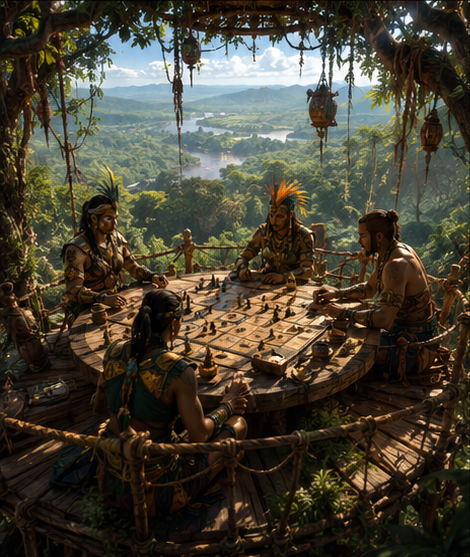
Game Of Boards in Rio de Janeiro feels less like a store and more like a proper tabletop hangout built around a simple idea: gather people, hand them games, feed them well, and let the hours disappear on their own.
That gives it a very different identity from many of the hobby shops appearing across the wider Tavern Network. This is not primarily a trading card stronghold or a product-heavy retail counter. Game Of Boards appears to focus on the social side of tabletop gaming: large game libraries, café-style play sessions, RPG nights, quiz events, food, drinks, and relaxed table culture.
The uploaded review material repeatedly highlights board games, RPG, game library, board game café, variety of games, game rental, cozy atmosphere, monitors who teach games, and large collections.
That combination makes it one of the more community-oriented tabletop venues in Rio.
A Venue Built Around Playing, Not Just Buying
Some tabletop locations feel like shops first and gathering places second.
Game Of Boards appears to reverse that balance.
The main attraction seems to be the ability to sit down and actually play from a large in-house game library. Visitors describe hundreds of available games, rental systems, monitors or instructors who help explain rules, and long sessions with friends and family. That creates a much softer entry point into tabletop gaming compared to stores where newcomers are expected to already know exactly what they want.
For casual groups, that matters enormously.
A dedicated board game café removes a lot of friction. Nobody needs to own the game. Nobody needs to learn every rule beforehand. Nobody needs to host the event at home. Instead, players can arrive, explore the collection, ask for guidance, order food, and spend the evening discovering games together.
That kind of experience puts Game Of Boards closer in spirit to venues like The Missing Piece, where the social atmosphere matters just as much as the shelves themselves.
The Game Library Appears to Be the Real Centerpiece
The strongest recurring strength around Game Of Boards is the library itself.
Reviewers repeatedly mention the huge variety of available games, the ability to test unfamiliar titles, and the sheer amount of choice available in the venue. One visitor even described spending an entire afternoon trying games they had never played before, while another pointed toward the online catalogue system that allows players to preview the collection in advance.
That matters because large collections are one of the greatest strengths a board game café can offer.
A normal game store sells boxes. A good board game café offers discovery.
Players can try games before buying them. Groups can experiment with heavier strategy titles without committing to a purchase. Families can test whether a game actually works for their table. Newcomers can discover the hobby without immediately spending large amounts of money.
That makes Game Of Boards particularly useful for curious or mixed-experience groups.
Mike would probably growl that this is the difference between “shopping for games” and “living inside the hobby for an evening.”
Monitors and Game Teachers Help Lower the Barrier
One of the hardest parts of modern board gaming is simply getting started.
Many games look fantastic on the shelf but become intimidating once the rulebook opens. Game Of Boards appears to soften that barrier by having monitors or staff members who help explain games and guide players into the experience.
That is a genuinely valuable feature.
The presence of teachers or instructors changes the emotional tone of the venue. Instead of feeling pressured to already understand complex systems, visitors can ask questions, learn gradually, and spend more time playing instead of deciphering rules.
This makes the venue especially approachable for beginners, tourists, casual groups, couples, and players introducing friends into the hobby for the first time.
For groups specifically trying to judge whether a venue suits their style, Mike’s guide on How to Tell if a Tavern Network Venue Matches Yer Group’s Playstyle becomes surprisingly relevant even outside D&D. Some groups want competitive intensity. Others want a softer, guided experience. Game Of Boards seems to lean toward the latter.
Food and Drinks Turn It into a Full Evening Venue
A strong board game café needs more than games.
People stay longer when the food works.
Game Of Boards appears to understand this part well. Visitors mention pizzas, snacks, sandwiches, milkshakes, beer, vegan options, themed food, and café-style service. Several reviews specifically highlight the pizza and snack offerings, while others appreciate the vegetarian or vegan-friendly approach.
That transforms the venue from a quick stop into somewhere groups can comfortably spend entire evenings.
It also widens the audience. Some tabletop spaces unintentionally exclude people who are not already deep in the hobby. Food changes that. A mixed group can visit even if only half the table actively plays games, because the café environment itself still works socially.
That broader accessibility is part of why board game cafés have become such important pillars of modern tabletop culture.
The Atmosphere Seems Cozy, Social, and Slightly Chaotic in the Best Way
Game Of Boards appears to operate inside a house-style space rather than a sterile retail showroom.
That gives the venue a warmer personality. Several visitors describe it as cozy, pleasant, relaxed, or welcoming, while others mention spending entire afternoons there without noticing the passage of time.
That kind of atmosphere matters more than many venue owners realize.
Board games thrive when people feel comfortable lingering. A cold or overly commercial space discourages long sessions. A warm café-like environment encourages conversation, repeat visits, and spontaneous extra rounds.
At the same time, busy social venues naturally become noisy. A few visitors mention crowding, acoustics, and slower service during busier periods. That does not necessarily damage the venue’s appeal, but it does help define what sort of experience players should expect.
Game Of Boards seems best approached as a lively social gaming environment rather than a silent strategy chamber.
For players comparing different venue styles, Mike’s article on Quiet Tavern or Loud Game Hall? becomes surprisingly relevant here too. Some groups love active, energetic rooms. Others prefer calmer settings.
Game Of Boards clearly leans energetic.
Events and RPG Nights Give the Venue Long-Term Value
One of the strongest signs of a healthy tabletop venue is recurring activity.
Game Of Boards appears to host quiz nights, RPG nights, group events, and organized activities beyond casual open play. Several visitors also mention community communication through WhatsApp groups for games and RPG coordination.
That matters because events create continuity.
A café without events risks becoming a one-time novelty. A venue with recurring activities becomes part of people’s routines. RPG nights create regular groups. Quiz nights attract broader audiences. Organized sessions help strangers become regulars.
That is where tabletop communities actually form.
This community-first energy places Game Of Boards closer to social tabletop spaces like M.E. Cafe & Games Singapore than to pure hobby retail stores.
The Service Feedback Is Mixed, but the Core Experience Still Looks Strong
Now, by Grabgar’s hammer, no proper Tavern Network write-up should pretend every venue is flawless.
Game Of Boards receives plenty of praise for atmosphere, games, monitors, food, and general fun. But there are also recurring complaints around service consistency, especially during busy periods. Some visitors mention slow food service, distracted staff, unclear communication, or uneven treatment depending on who was working that day.
That does not erase the venue’s strengths, but it does shape expectations.
The most consistent positive thread seems to be the games themselves and the social atmosphere around them. The most consistent weak point appears to be operational consistency under heavier traffic.
So the practical read is simple: go for the game library, atmosphere, events, and social tabletop energy. Expect occasional delays or uneven service during peak hours, especially on crowded nights.
That is a very different thing from saying the venue is bad.
In fact, many beloved board game cafés around the world struggle with exactly this problem. Once a place becomes popular enough to stay full for hours, service pressure naturally rises with it.
Why Game Of Boards Belongs in the Tavern Network
The Tavern Network should not only highlight stores that sell games.
It should also highlight places where people actually gather around tables.
Game Of Boards belongs because it appears to provide one of Rio de Janeiro’s stronger social tabletop environments: a large playable library, teaching support, RPG nights, events, food, drinks, rentals, and enough atmosphere to encourage people to stay far longer than they planned.
That is an important kind of venue.
Places like this help grow the hobby naturally. New players arrive because of friends. Families discover modern games together. Tourists stumble into something memorable. Regulars slowly become communities.
That is the real magic of tabletop culture.
Mike’s Tavern Take
Game Of Boards looks like one of Rio’s strongest board game café-style destinations for players who value atmosphere, variety, and long social sessions around the table.
It is not a perfect venue. Busy nights, uneven service, and occasional operational frustrations appear to be part of the experience. But the core strengths are strong enough that people clearly keep returning anyway: the game library, the events, the monitors, the food, and the simple joy of spending hours with friends around a table full of cardboard chaos.
For adventurers searching for a tabletop café in Rio de Janeiro where games, food, conversation, and community all share the same roof, Game Of Boards is worth knowing about.
Some taverns are built around ale. Some are built around cards. Some are built around shelves so full of games that nobody notices the outside world has gone dark.
Game Of Boards seems like that kind of tavern.
