
The Animal-First Cleric Build (5e): A Healer Who Keeps the Beasts Alive When Everyone Else Gets Greedy
What This Build Is, and Why It’s Actually Useful
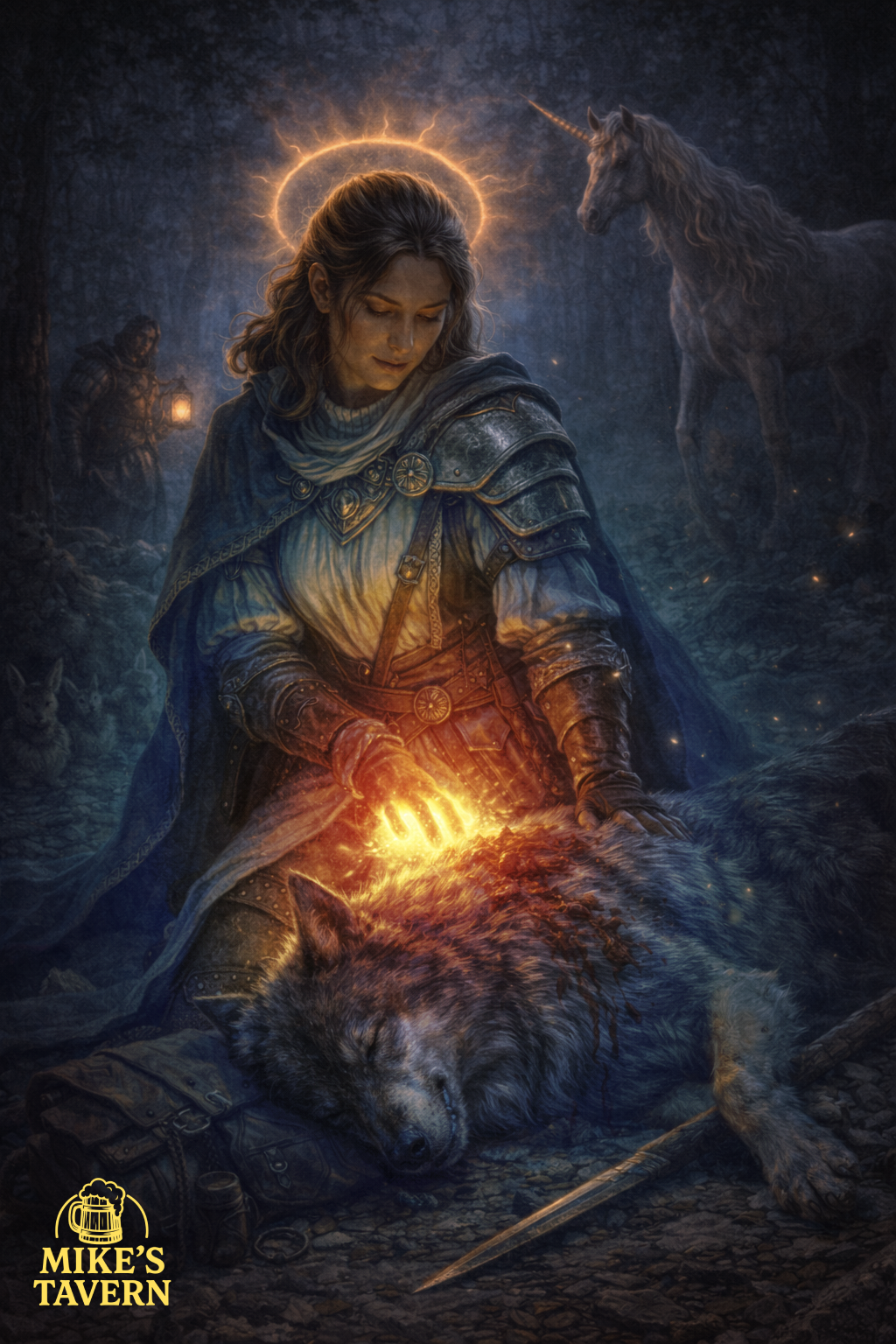
This is the cleric who will drag a wolf out of the fire before they drag the fighter. Not because the fighter doesn’t matter, but because animal companions, mounts, summoned beasts, and wilderness allies tend to get treated like disposable tools.
This build is for players who want to flip that table.
You’re building a support cleric who specializes in keeping animals and animal-adjacent allies alive: mounts, companion beasts, familiars with hit points, wild-shaped allies, summon spells, and those poor “helpful critters” the party keeps forgetting exist the moment initiative starts.
You’ll still heal people. You’re not heartless. You’re just… selective about who gets the first bandage.
If you’re new around the tavern, get your bearings here:
About Mike’s Tavern
If rules arguments keep breaking out mid-session, the
FAQ
will save you at least one headache.
And if your GM starts giving you side-eye for healing the mule again, you can always shout into the void at
Contact
When This Build Shines (and When It’s a Terrible Idea)
This build shines when:
The campaign features wilderness travel, mounts, beasts, companions, druids, rangers, or frequent summoning
The party is emotionally attached to a creature and the GM is the type who “realistically targets the dog first”
The table allows emotional stakes without turning every fight into misery tourism
This build struggles when:
The campaign is pure dungeon corridors, no animals, no travel, no companions
The party actively treats animals like expendable gear
The GM runs enemies like heat-seeking missiles who always target the weakest thing on the board
If that last one sounds familiar, this will resonate hard:
When every battle feels like a board meeting with dice
Your Core Concept: Prevent Damage, Then Heal What Slips Through
If you try to heal through everything, you’ll burn spell slots and start making that haunted cleric stare by level 3.
Instead, your mindset is:
Position near the animal or mount, not the front line
Prevent damage before it lands
Heal surgically, not emotionally
Value consistency over flashy hero moments
Small, timely heals beat dramatic late saves every time.
If party dynamics are already shaky, fix that first:
Let the quiet player speak before I cast silence on ya
Species, Background, and Ability Scores
Recommended Species
Variant Human for an early feat and immediate identity
Hill Dwarf for durability and grit
Firbolg if allowed and you want heavy nature flavor
Background Choices
Hermit for the wandering healer vibe
Outlander for trail guide energy
Acolyte if you want temple roots
Ability Score Priorities
Wisdom first, always
Constitution second so you don’t fold
Dexterity third for AC and initiative
Strength only if armor demands it
Intelligence and Charisma are optional seasoning
Subclass Choice: Life Domain or Peace Domain
Life Domain
Reliable, table-friendly, brutally effective. Your healing becomes efficient early and stays relevant.
Peace Domain
If your table can handle it, this is absurdly strong. Damage spreads, positioning matters, and you quietly prevent collapses before they happen.
If your party keeps falling apart and no one understands why, read this before locking anything in:
Why your party keeps falling apart and how to stop being the reason
Feats: The “Don’t Touch My Dog” Package
Your feats should protect concentration, stabilize the field, and stretch your resources.
Strong picks include:
Warcaster for concentration under pressure
Resilient (Constitution) for reliability
Healer for non-magical sustain
Inspiring Leader if your Charisma is workable and your GM allows beasts to benefit
If you enjoy squeezing more value from existing tools instead of chasing novelty, this mindset fits perfectly:
How to get more damage from the same weapon without changing your build
Skills: What You’re Good At Outside Combat
Core skills:
Medicine
Animal Handling
Insight
Perception
Optional additions:
Survival for travel-heavy games
Religion for temple-facing clerics
Equipment: What You Carry and Why
You are not here to duel. You are here to hold space around something fragile.
Weapons
Quarterstaff for simplicity and theme
Dagger for emergencies and utility
Armor
Medium armor and shield for mobility
Heavy armor only if your build supports it naturally
Adventuring Gear
Healer’s kit
Rope, blanket, feed pouch, waterskin
Harness or sling for tiny companions (clear this with your GM)
If anyone scoffs at equipment choices, hand them this and watch them squirm:
When you’re afraid you’re draggin the party down
Spell Selection: The Animal-Saver List
You want prevention, repositioning, condition removal, and fast triage.
Cantrips
Guidance
Sacred Flame or Toll the Dead
Spare the Dying
Level 1 Spells
Bless
Cure Wounds or Healing Word
Sanctuary
Protection from Evil and Good
Level 2 Spells
Aid
Lesser Restoration
Warding Bond
Calm Emotions
Level 3 Spells
Revivify
Mass Healing Word
Spirit Guardians (use responsibly)
Level-by-Level Guide (Levels 1 to 6)
Level 1
Cleric 1. Pick your domain. Learn positioning and restraint.
Level 2
Channel Divinity arrives. Your safety button turns on.
Level 3
Second-level spells. Aid becomes a staple.
Level 4
Feat or Wisdom bump. Fix concentration first.
Level 5
Third-level spells. You now shape fights by presence alone.
Level 6
Subclass features deepen your role. Your build is fully online.
Mike Butts In (Because Of Course He Does)
Listen, lad. I’ve seen more brave heroes crumble over a BLEEDING DOG than over their own broken ribs, and I ain’t mockin it. That creature didn’t ask to be dragged into a dungeon. It didn’t sign a contract. So when some milk-drinkin goblin lover says “it’s just a mount,” I want ya to look ‘em dead in the eyes and say NO. That beast kept us alive. Protect it. And if the GM keeps snipin it like it owes coin, remind ‘em the table’s meant to be FUN, not a miserable little slaughterhouse.
Making This Build Sing at the Table
To make this build shine:
Tell the party what you’re doing upfront
Ask the GM how companions are treated
Stay collaborative, not preachy
If your table has unresolved feelings disguised as dice rolls, this one hits close to home:
Every party has that one player who brings snacks and trauma
How to Evolve the Build After Level 6
From here, pick a direction:
Double down on protection
Lean into battlefield triage
Expand utility and condition control
If you want to turn defense into quiet punishment, read this next:
The shield that bites back: how to turn defense into punishment
Pathfinder Conversion (Quick and Clean)
For Pathfinder tables:
Cleric with a healing font focus
Heavy investment in Medicine and Battle Medicine
Positioning and reactions over raw numbers
The heart of the build stays the same.
Last Call
If you’re going to be the Animal-First Cleric, do it properly. Don’t apologize. Don’t half-commit. Protect what the party relies on, whether it has a character sheet or four legs.
If you want more builds like this, or want one forged for a specific party, campaign tone, or system, swing by: Contact
And if you’re still finding your footing around the tavern, the FAQ has your back.
