
The Emotional Labor Nobody Talks About in Group Games
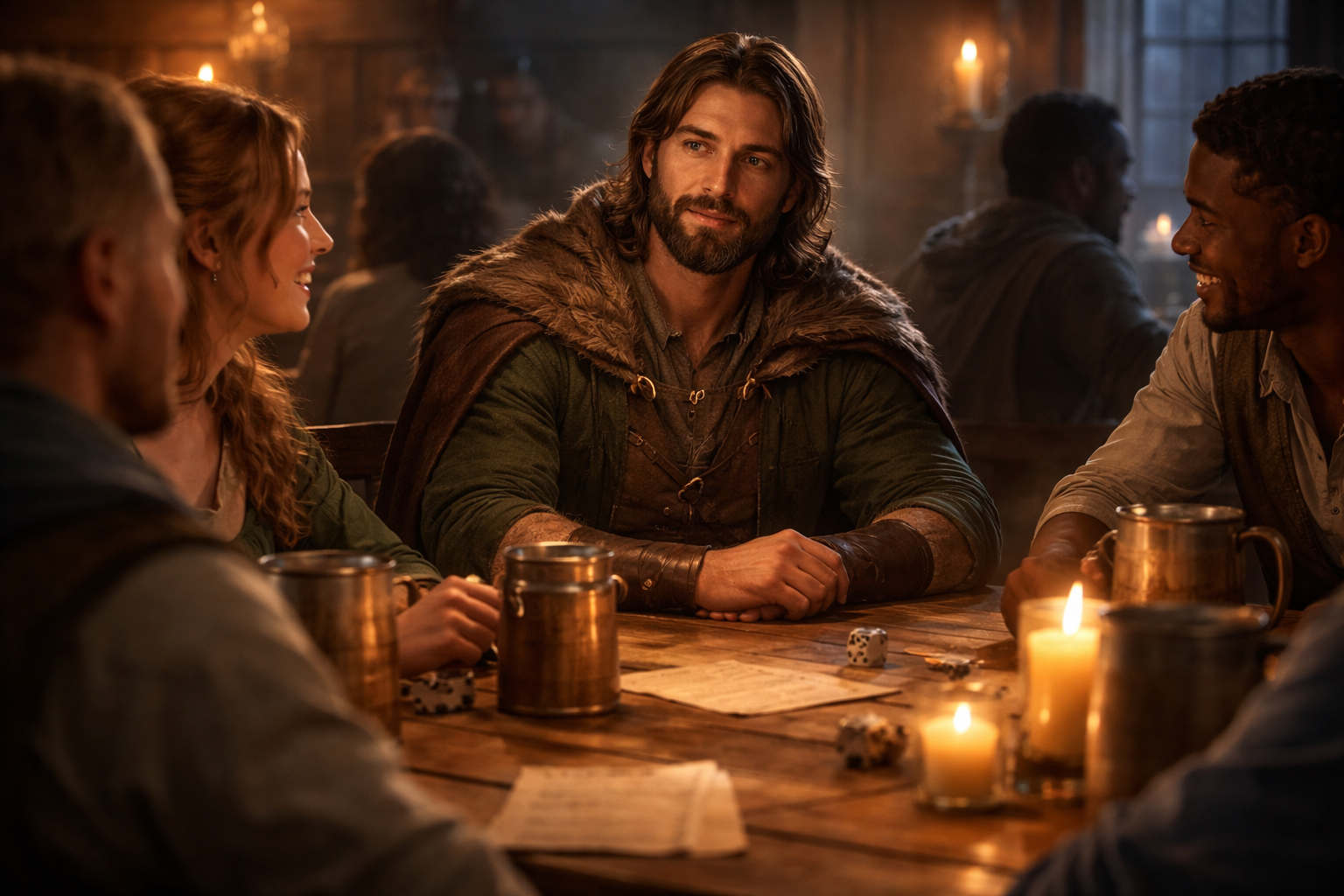
There’s a kind of work that happens at many tables that never shows up on character sheets. It’s invisible. It’s unpaid. And it falls, more often than not, on women and quieter players.
It’s the work of smoothing tension. Reading moods. Making sure everyone feels okay. Remembering who’s upset with whom. Deciding when to speak and when to stay quiet so the table doesn’t tip sideways. This article is about that labor, why it’s exhausting, and what you can actually do when you realize you’re carrying more than your share.
What Emotional Labor Looks Like at the Table
Emotional labor in group games rarely announces itself. It hides in habits.
You’re the one who notices when someone gets talked over and gently circles back. You soften your ideas so they don’t sound confrontational. You laugh at jokes that didn’t land just to keep things moving. You sense when the GM is stressed and adjust your play to make their life easier.
None of this is bad in isolation. The problem starts when it’s expected, unacknowledged, and one sided.
If this sounds familiar, you might also recognize the slow drain described in Every Party Has That One Player Who Brings Snacks and Trauma. The caretaker role doesn’t just happen. It gets assigned quietly.
Why Women End Up Carrying It
Most women don’t start group games intending to become the emotional glue. They become it because they’re trained, long before dice ever hit a table, to notice discomfort and manage it.
That training follows you into play. You pick up on tone shifts faster. You anticipate conflict. You adapt so others don’t have to.
The table often rewards this by running more smoothly, while never questioning why one person is always the one adjusting.
Over time, this leads to the feeling captured in When You’re Afraid You’re Draggin’ the Party Down. You start to believe that your needs are the problem, not the imbalance.
The Cost of Being “The Stable One”
Here’s the part that rarely gets said out loud. Emotional labor costs energy. Real energy.
When you’re managing the room, you’re not fully present in the game. You miss moments. You second guess your own enjoyment. You leave sessions tired in a way that sleep doesn’t fix.
Worse, if something goes wrong, you’re often the one who feels responsible. If a conflict erupts, you wonder what you should have done differently.
This is why some tables slowly start to feel transactional instead of joyful. As described in When Every Battle Feels Like a Board Meeting With Dice, the fun gets replaced by performance and pressure.
Mike Clears His Throat Behind the Bar
Alright, me lass, I’ve seen this dance play out a hundred times.
There’s always one who keeps the peace. One who watches faces instead of dice. And By Tharn’s itchy chainmail, it’s almost never the loudest one at the table.
Listen close. If you’re spendin’ more time mindin’ everyone else’s feelings than enjoyin’ the scrap, somethin’s wrong. A party ain’t meant to run on one poor soul’s patience.
Good tables share the load. Bad ones lean till the beam cracks.
When Care Turns Into Expectation
There’s a subtle shift that happens when emotional labor becomes invisible. It stops being appreciated and starts being assumed.
If you stop smoothing things over, you’re suddenly seen as cold or difficult. If you speak up about your needs, you’re told you’re overthinking. The same care that once made you valuable becomes the reason you’re taken for granted.
This is where safety gets misunderstood. Real safety isn’t silence. It’s shared responsibility.
A Safe D&D Table Ain’t a Soft One makes this distinction clear. A healthy table doesn’t rely on one person to hold it together.
What You Can Do Without Burning Bridges
You don’t have to drop all care overnight. But you can start setting internal boundaries.
Notice when you’re about to fix something that isn’t yours. Pause. Ask yourself whether anyone else is stepping in. Let small discomfort exist without rushing to resolve it.
If you trust your GM, name the pattern gently. Not as blame, but as observation. “I’ve noticed I’m often the one smoothing things over, and it’s wearing me down.”
Strong tables adjust. Weak ones deflect.
If you’re unsure how to tell the difference, The Right D&D GM Won’t Fix Ya, But He’ll Hold Space While Ya Mend offers a clear benchmark.
Pull Up a Stool and Put Words to the Weight
If you’ve been quietly carrying more than your share, spend some time with the wider etiquette pieces over at Mike’s Tavern. Naming the work is often the first step to redistributing it.
You’ll also find common questions about table dynamics and emotional burnout answered in the FAQ.
You’re Allowed to Put the Load Down
Caring is not a flaw. But being the only one who cares is unsustainable.
You deserve a table where your presence isn’t conditional on how much emotional labor you provide. Where you get to play, not just manage.
If you’re unsure how to move forward, or you need a sounding board from someone who’s watched tables rise and fall for decades, you can always reach out through the contact page.
A good party shares the weight. Anything less is just bad tavern manners.
