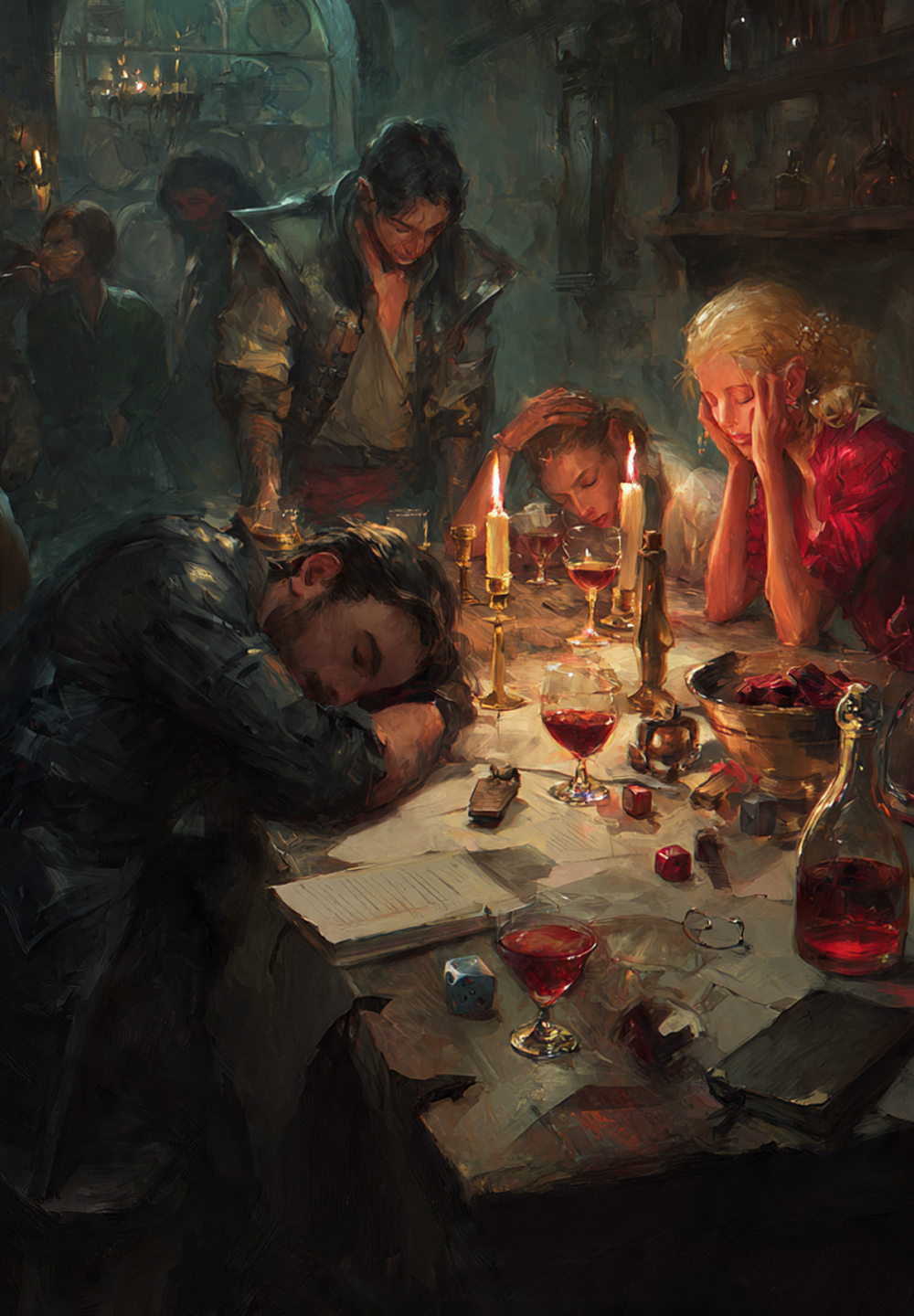
Good Tables, Bad Tables (Part 1): Signs You’re at a Healthy D&D Table
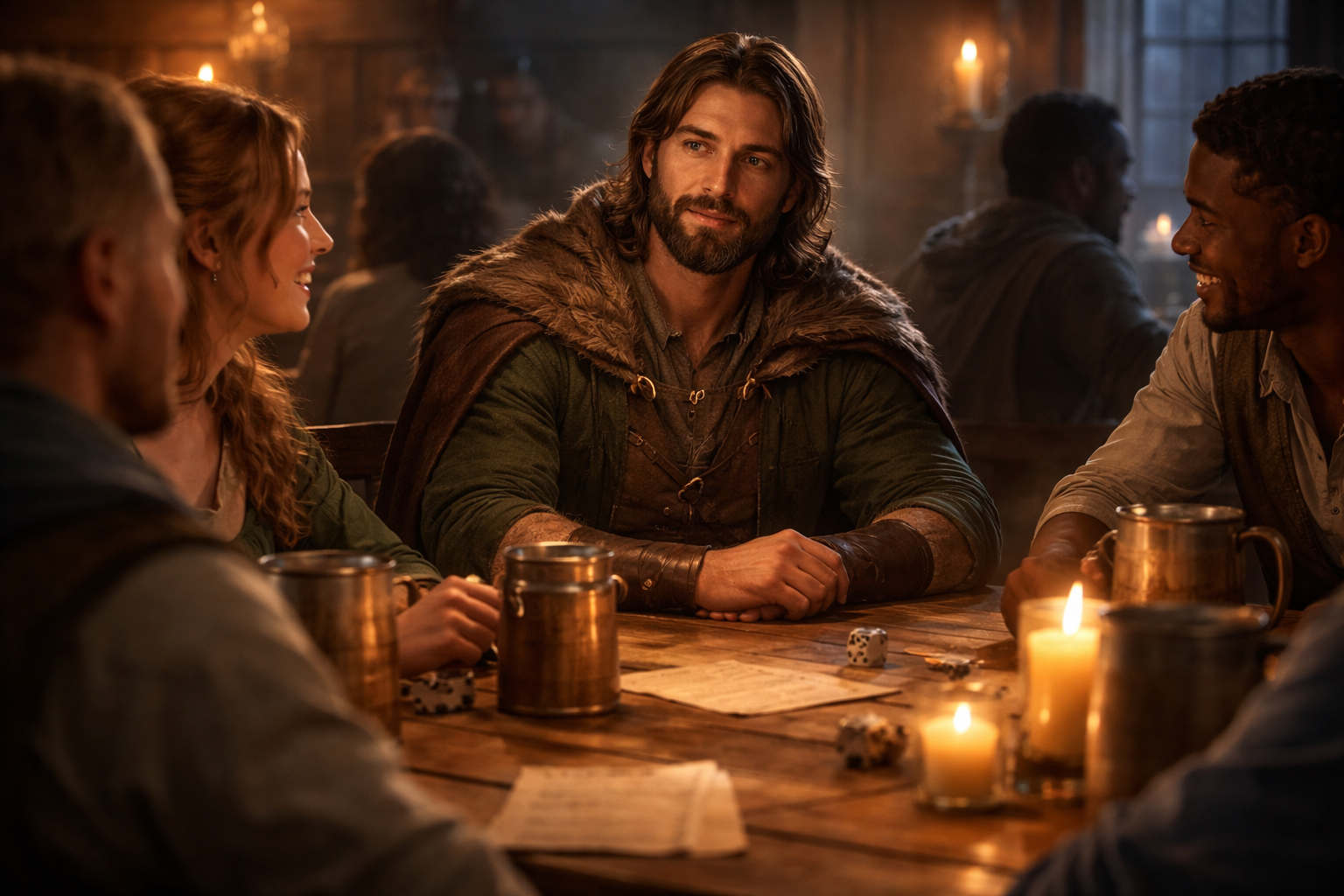
Not every bad table looks bad at first.
Sometimes it looks loud and funny. Sometimes it looks “hardcore.” Sometimes it looks like “that’s just how they play.”
But listen close, me lass. A healthy table isn’t about how loud the laughter is or how epic the combat feels. It’s about how safe ya feel speaking. It’s about whether people listen when you do. It’s about whether the game builds you up instead of quietly sanding you down.
This series is for anyone who’s ever felt a knot in their stomach before game night.
It’s for women who’ve been talked over and told they’re “too sensitive.”
It’s for men who’ve felt sidelined but didn’t know how to say it.
And it’s for players who want more than “fine.”
If you’re new here, you can learn more about the culture behind this site on the About Mike’s Tavern page, or dig into common concerns inside the FAQ.
Now let’s get to it.
“If Yer Afraid to Speak, That Ain’t Fellowship”
By Grabgar’s hammer, I’ve seen tables where a lass opens her mouth and three milk-drinkers talk right over her like she’s background tavern music.
That ain’t banter. That ain’t “fast-paced roleplay.”
That’s disrespect wearin’ a funny hat.
A healthy table?
When someone speaks, the others pause. Even the loud ones.
And if they don’t notice they’ve interrupted? They correct it.
“Sorry, go ahead.”
Simple. Powerful. Cultural.
If no one ever says that at yer table… pay attention.
The Subtle Moment That Tells You Everything
Alright, lets paint a scene. The party is planning how to break into the duke’s estate.
Lyra clears her throat. “What if we try diplomacy first? I could—”
Kipper laughs and launches into a chaotic plan involving smoke bombs and melted butter.
Two players follow him.
The GM turns back to Lyra and says, “Hold on. You were saying?”
That’s it.
That’s the green flag.
No drama. No lecture. Just cultural correction.
If you’ve read How to Handle Being Talked Over at the Table, you know interruption is rarely about volume. It’s about pattern.
Healthy tables notice patterns.

Pattern Diagnosis: Psychological Safety
A healthy D&D table has three invisible structures:
Permission to contribute
Room for mistakes
Respect for boundaries
Permission to Contribute
You don’t have to fight for your moment.
If you’re quiet, someone invites you in.
If you’re new, someone explains without condescension.
If you try roleplay and it’s awkward, no one weaponizes it.
If you’ve struggled with speaking up, How to Speak Up Without Freezin’ at the Table offers tactical guidance. But in a healthy group? You shouldn’t have to battle for oxygen every session.
Room for Mistakes
You misread a spell.
You forget a feature.
You say something cringey in-character.
No one rolls their eyes. No one sighs dramatically.
They help.
If you want to understand how small behaviors compound over time, read The Small Behaviors That Quietly Push a Party Toward Collapse.
Healthy tables correct without humiliating.
Respect for Boundaries
This is especially important for women, though it applies to everyone.
Healthy tables don’t sexualize characters without consent.
They don’t pressure uncomfortable roleplay.
They don’t mock real-life vulnerability shared at the table.
If someone says, “I’m not comfortable with that,” the scene changes.
Immediately.
If you’ve read The Strongest Character at the Table Is the One Who Listens, you already know: listening is power.
A healthy table listens.
Long-Term Decay Mapping: What Happens When These Signs Exist
When these green flags exist, trust compounds.
Players get braver.
Roleplay deepens.
Combat becomes collaborative instead of competitive.
The GM feels supported instead of burdened.
You avoid the burnout spiral described in When Yer Heart’s Givin’ Out But Yer Hands Keep Preppin’.
Healthy tables don’t just survive.
They mature.
They forgive missteps without keeping score.
They grow.
The Fellowship Audit: Check Yer Table Before It Checks You
Before you normalize discomfort, ask yourself:
Do I feel safe disagreeing?
When I speak, do people pause?
If I make a mistake, is the correction kind?
Have I ever been pressured into a scene I didn’t want?
If the answers lean positive, guard that table fiercely.
If you’re trying to build stronger leadership culture at your table, revisit The Right D&D GM Won’t Fix Ya, But He’ll Hold Space While Ya Mend.
Healthy leadership protects vulnerable players.
Tactical Intervention: Strengthen a Healthy Table
Even good tables drift.
Here’s one proactive move:
At the end of a session, ask:
“What’s one moment tonight that worked really well socially?”
When someone says, “I liked that you looped me back in when I got talked over,” you reinforce the culture.
Healthy behavior grows when named.
Silence lets it fade.
Escalation Warning: Don’t Romanticize “Good Enough”
Sometimes a table is “not toxic,” but it’s not safe either.
Women often tolerate mild discomfort longer than men at hobby tables. Men often suppress dissatisfaction to avoid looking dramatic.
Both pay the cost.
A truly healthy table doesn’t just avoid harm.
It creates belonging.
If you constantly brace for jokes, prepare defenses, or shrink to avoid friction, that’s not health.
That’s adaptation.
And adaptation becomes exhaustion.
Guard the Green Flags
If you’ve found a healthy table, protect it.
Name the good behaviors.
Model them.
Invite new players into them.
If you haven’t found one yet?
Don’t settle.
This series will walk you through red flags, cultural decay, leaving well, and finding better.
If you’re navigating this right now, reach out through the Contact page.
Next up: the red flags players ignore.
Reflection Questions
When was the last time someone protected your airtime?
Have you unintentionally talked over someone repeatedly?
Do new players look relaxed at your table — or cautious?
If someone set a boundary, would it be honored without debate?
Are you contributing to safety, or just benefiting from it?
Look here, lad. Look here, me lass.
A healthy table isn’t loud.
It’s steady.
And steady tables build campaigns that last years.
By Margann’s crusty beard, that’s worth fightin’ for.
Get Ready For More Tavern Goodness