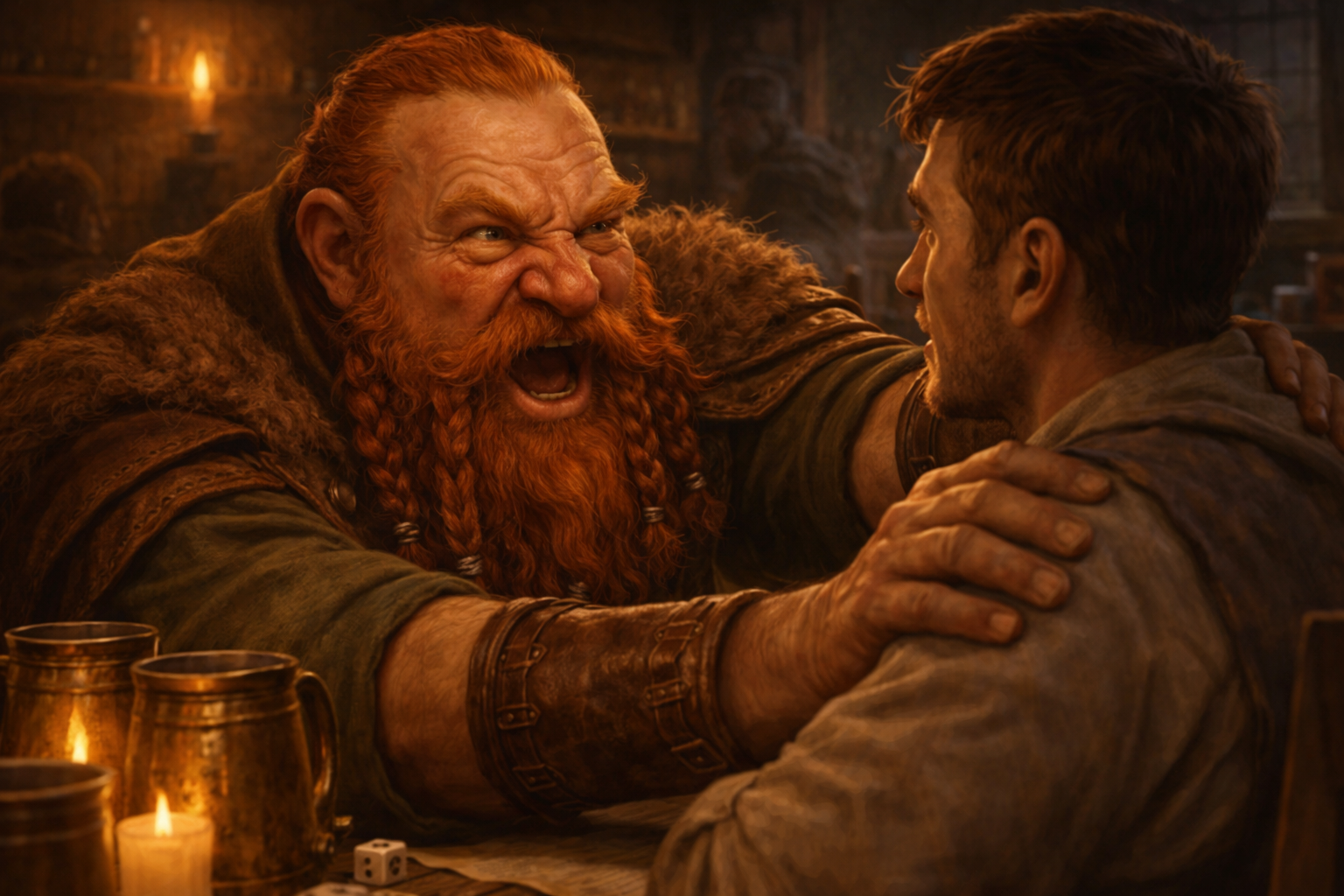
When You’re Trying So Hard Not to Ruin the Game That You Stop Enjoying It
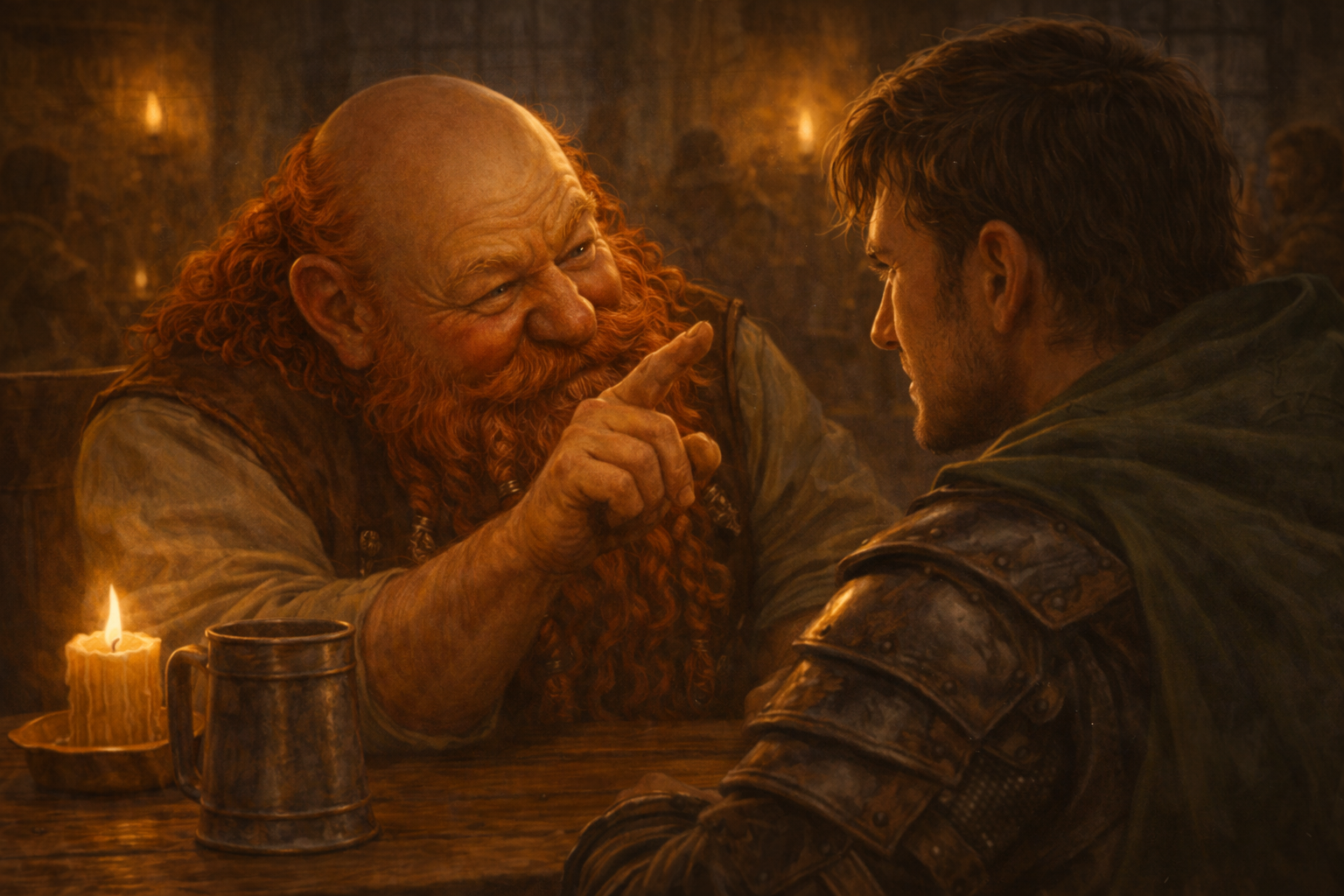
“By Tharn’s Itchy Chainmail, If Yer Guarding the Fun Like It’s a Sacred Relic, Ye’ll Never Swing.”
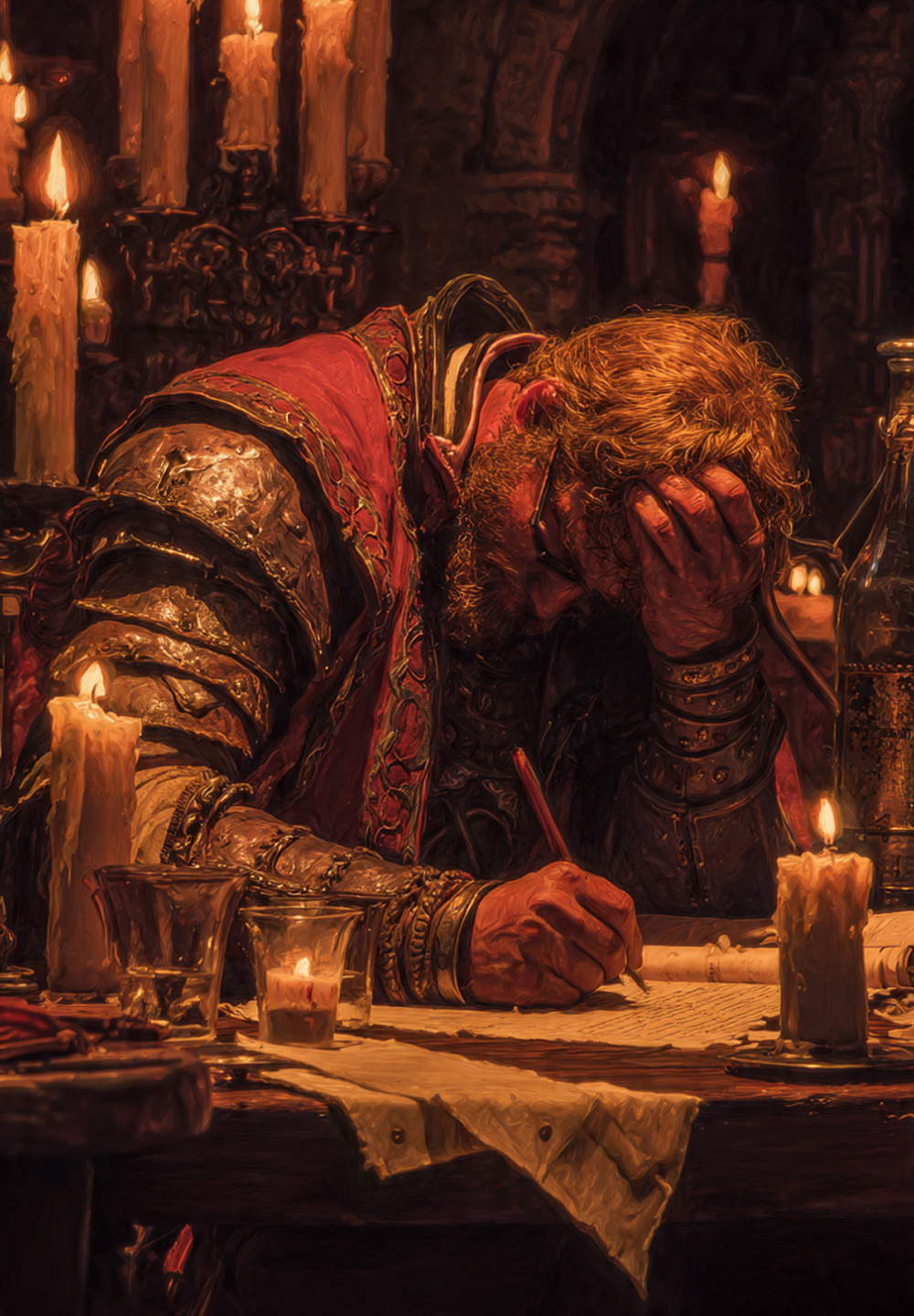
Alright, lad, listen close. I’ve seen players sit straighter than paladins at confession, monitorin’ every word like it might shatter the campaign. They double-check their jokes, trim their ideas, second-guess their risks, and by the end of the night they look like they’ve been defusin’ traps instead of slayin’ goblins. If that’s you — always tryin’ to be careful, polite, balanced, harmless — then hear me plain: a game ain’t glass. It won’t shatter because you exist in it. If you’re so busy protectin’ the table from yourself that you stop havin’ fun, then by Grabgar’s hammer, we need to talk.
Because joy shouldn’t feel like a liability.
The Careful Player’s Trap
There’s a certain kind of player who carries invisible weight.
You don’t want to:
Steal spotlight.
Interrupt scenes.
Make “wrong” choices.
Derail tone.
Be “too much.”
So you overcorrect.
You:
Shorten your turns.
Mute your enthusiasm.
Avoid risky character decisions.
Let others decide even when you have ideas.
At first, it feels responsible.
Eventually, it feels exhausting.
If this sounds familiar, you may recognize parts of yourself in When You’re Afraid of Being “That Player” No Matter What You Do.
Fear of disruption can become its own disruption.
When Self-Regulation Turns Into Self-Erasure
There’s nothing wrong with awareness.
Healthy tables require:
Listening.
Timing.
Respect for spotlight.
Tone sensitivity.
But when you’re constantly scanning for mistakes, you stop participating naturally.
You start performing “acceptable player” instead of simply playing.
If you often freeze at the edge of participation because you’re calibrating too hard, revisit How to Speak Up Without Freezin’ at the Table.
Participation requires presence.
Not perfection.
The Silent Cost of Overthinking
The real damage doesn’t show up mid-session.
It shows up afterward.
You go home tired.
Not from combat.
Not from roleplay.
But from managing yourself.
You replay moments:
“Was that joke okay?”
“Did I overstep?”
“Should I have stayed quieter?”
That kind of internal audit is draining.
If you’ve ever left game night feeling heavier than when you arrived, read When You Leave the Game Feeling Heavier Than When You Arrived.
Trying not to ruin the game shouldn’t cost you your own enjoyment.
The Myth That You Can “Break” the Table
Here’s something steady to hold:
Most healthy tables are resilient.
They don’t implode because:
You spoke twice in a row.
You had a strong character opinion.
You tried something bold.
You were excited.
They struggle when communication stops.
Not when enthusiasm appears.
If you’re worried your presence shifts group energy too much, revisit When You’re Afraid You’re Draggin’ the Party Down.
Often, the weight you feel is self-imposed.
When Comparison Makes You Smaller
Sometimes you shrink because someone else feels bigger.
Another player:
Drives scenes confidently.
Lands jokes effortlessly.
Speaks without hesitation.
Feels socially fluid.
So you compensate by stepping back.
But belonging isn’t measured by volume.
If comparison is quietly shaping how much space you take, read The Quiet Damage of Comparison at the Table.
Difference doesn’t mean imbalance.
The Healthier Alternative: Intentional Participation
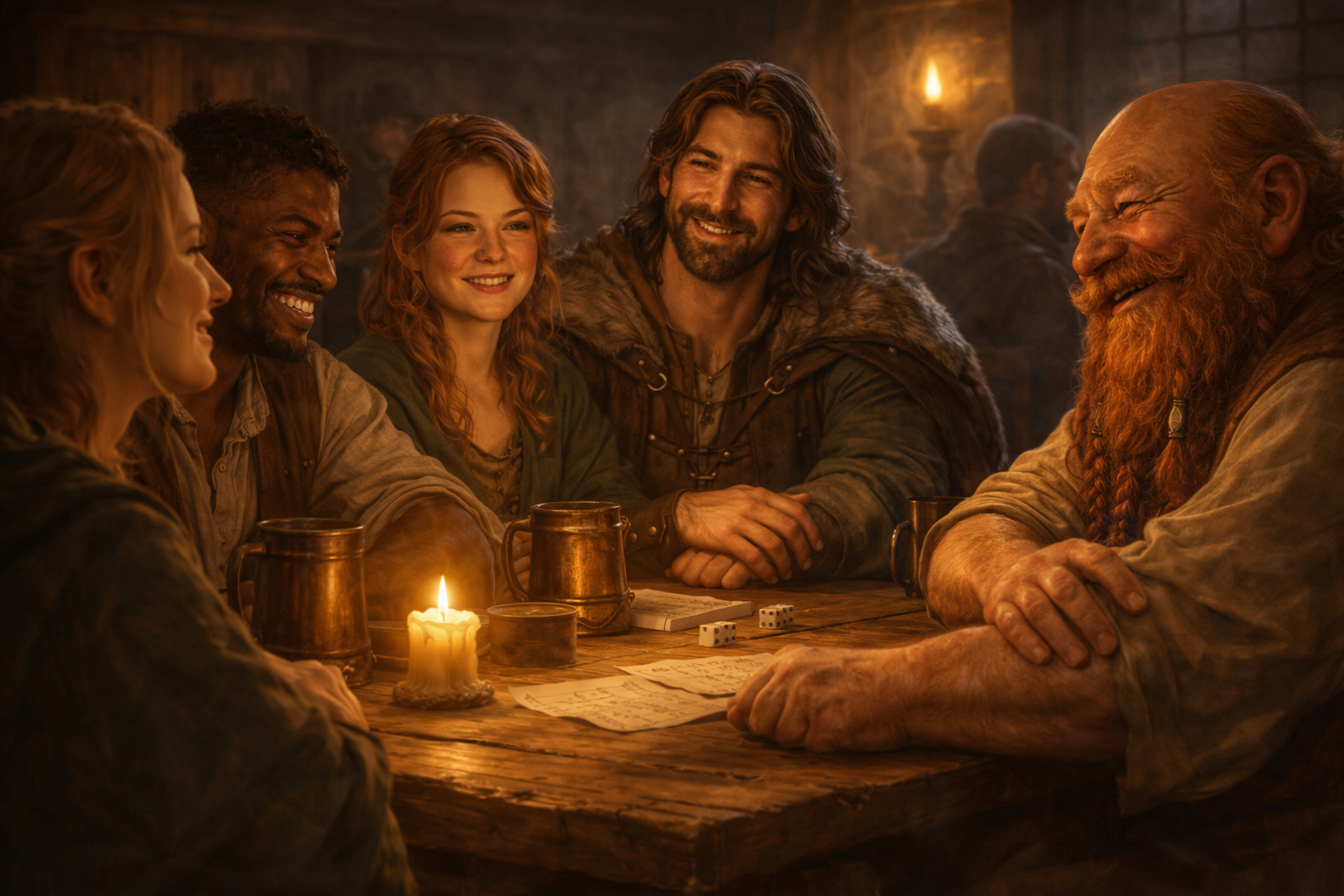
Instead of asking:
“How do I avoid ruining this?”
Try asking:
“How can I contribute meaningfully?”
Shift from defensive energy to constructive energy.
That might look like:
Supporting another player’s move aloud.
Taking one decisive action per combat.
Leaning into one strong character trait confidently.
Expressing enthusiasm without apology.
Contribution is active.
Self-protection is reactive.
And games thrive on active energy.
A Note on Table Dynamics
If your fear of ruining things comes from uneven spotlight distribution, the dynamic described in The Quiet Player vs the Table Hog — How to Keep Both Happy Without Losing Your Mind may help frame what’s actually happening.
Sometimes you’re not “too much.”
You’re just navigating an imbalance.
Understanding that distinction changes everything.
You’re Allowed to Enjoy This
D&D, Pathfinder, whatever system you play — it’s collaborative storytelling.
Not a social minefield.
You are allowed to:
Be enthusiastic.
Make bold choices.
Miss occasionally.
Laugh loudly.
Care deeply.
And if you ever want to understand the broader philosophy behind how this tavern approaches balance and responsibility, you can visit About Mike’s Tavern.
For common table dynamics and recurring concerns, the FAQ may offer clarity.
And if something feels personal or unresolved, the Contact page is there.
Quick Questions Before You Shrink Again
Is it possible to be too careful at the table?
Yes. Over-regulation can reduce both your joy and your presence.
What if I genuinely made a mistake once?
Healthy tables recover through communication — not silent self-punishment.
How do I know if I’m actually disruptive?
Look for consistent patterns of others withdrawing or correcting you — not isolated moments of excitement.
More From Around the Tavern
Practical Growth & Table Craft