Cheap Tables vs Premium Venues: When Paying More Actually Improves the Campaign
A premium venue is not premium just because the coffee is good.
It is not premium because the chairs look expensive.
It is not premium because the menu has fancy drinks and the lighting looks nice on Instagram.
For a tabletop campaign, premium only matters if it helps the party play better.
That is the whole test.
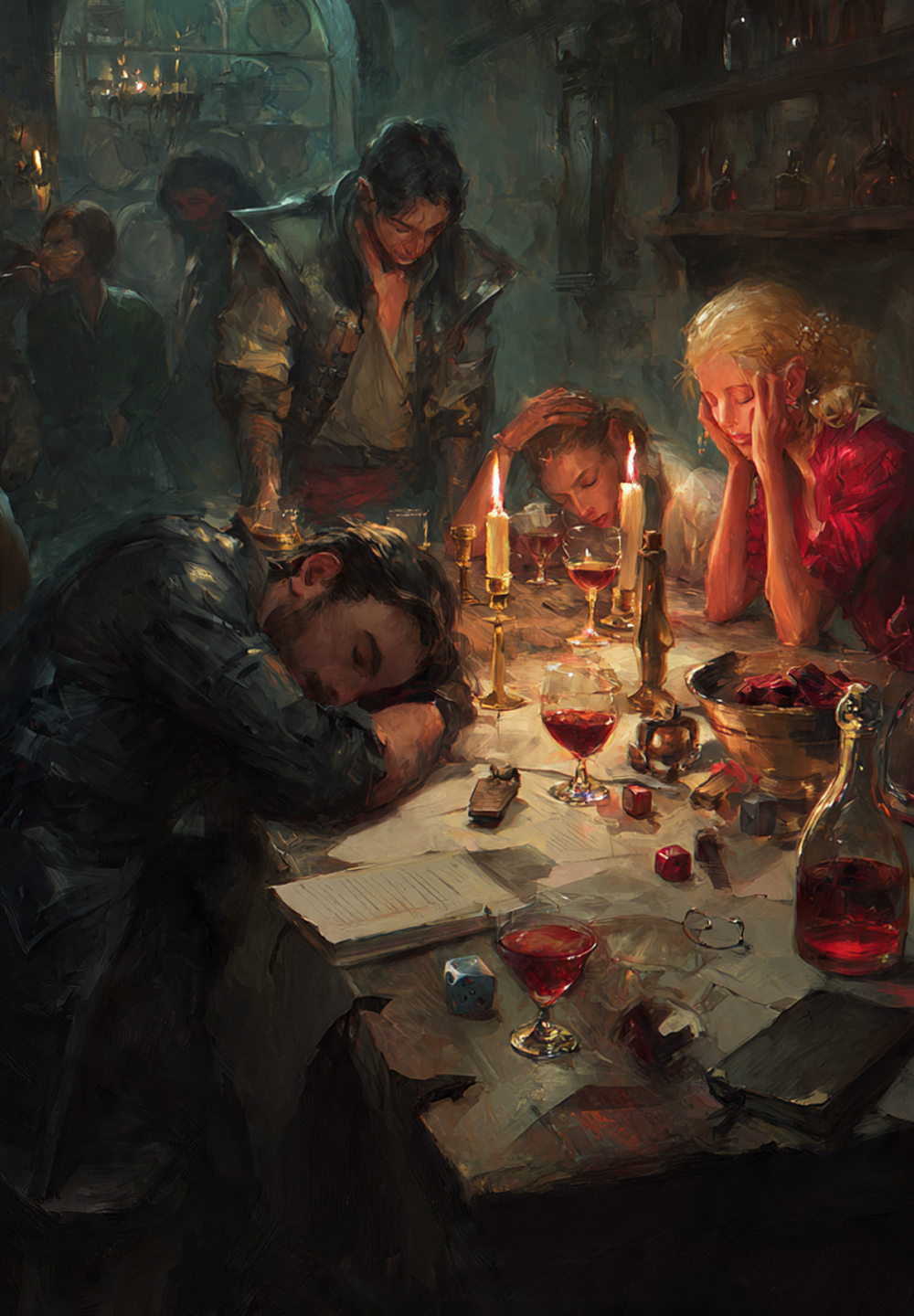
If a polished venue makes players stiff, distracted, quiet, broke, or afraid to laugh too loudly, then what are ya paying for? Champagne fumes and a nervous cappuccino stir?
But if a more expensive venue helps players relax, hear each other, get into character, stay longer, feel safer, and enjoy the session more deeply, then aye, that price may be worth it.
That is why the Tavern Network exists. It helps adventurers compare places by campaign fit, not just by price tag.
Cheap Tables Can Be Better Than Premium Venues
Never assume expensive means better.
Some cheap venues have the strongest campaign energy around.
Maybe the chairs are mismatched. Maybe the lighting is rough. Maybe the room smells faintly of cat food, old cardboard, and sweaty armpits. Maybe ya have to leave the store to buy dinner.
And yet the campaign thrives.
Why?
Because the place feels like the hobby.
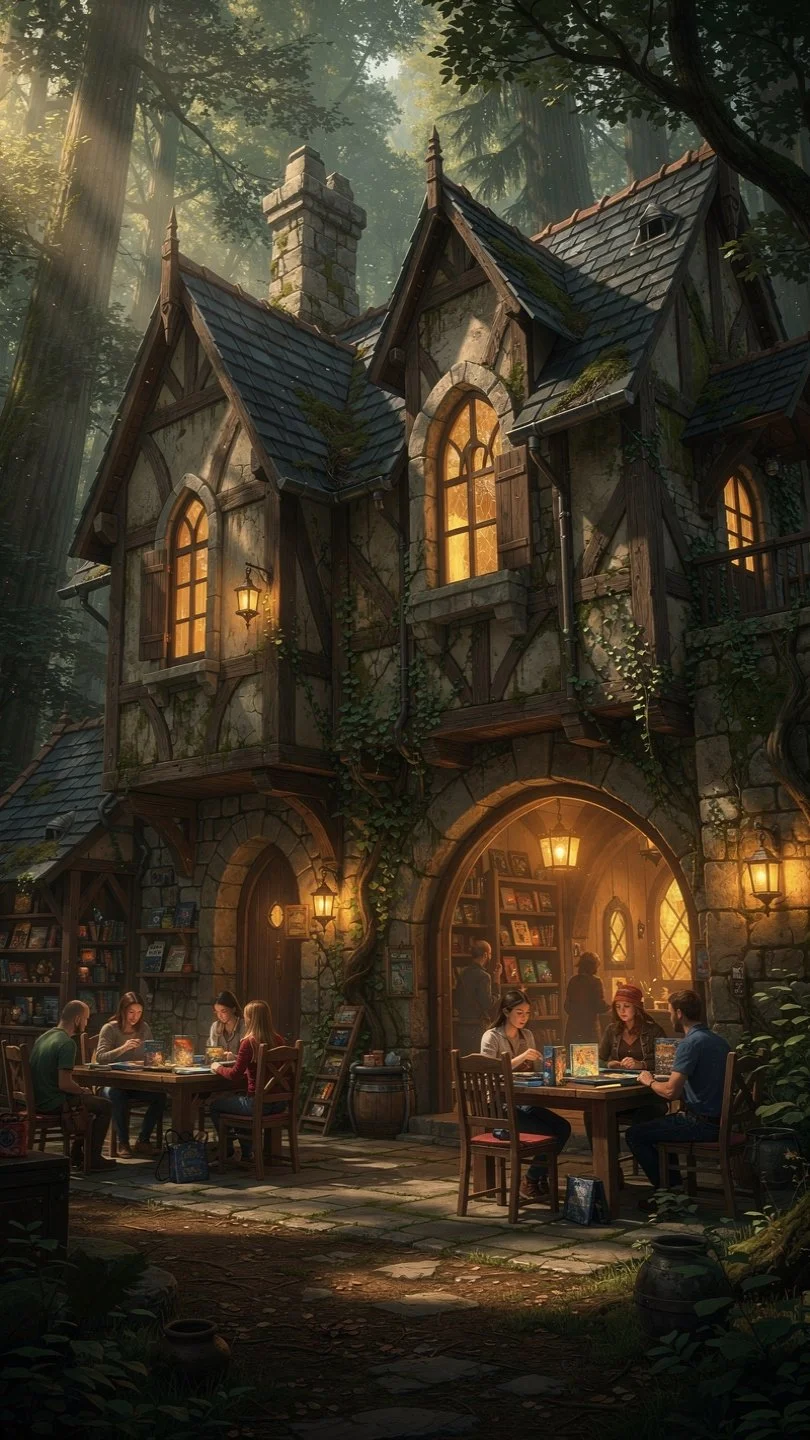
The crowd loves the game. The staff understand players. The regulars are welcoming. The table feels alive. The party can laugh, roll dice, argue about initiative, cheer over crits, and sink into the story without worrying about disturbing the wrong crowd.
Venues like The Attic Fürth, Games Island in Hof, Germany, and Phoenix Comics & Games Seattle show why hobby-first spaces can matter so much. They may not always feel luxurious, but they can carry the soul of the game.
Premium Venues Are Worth It When They Improve Immersion
A premium venue earns its price when it helps players enter the world.
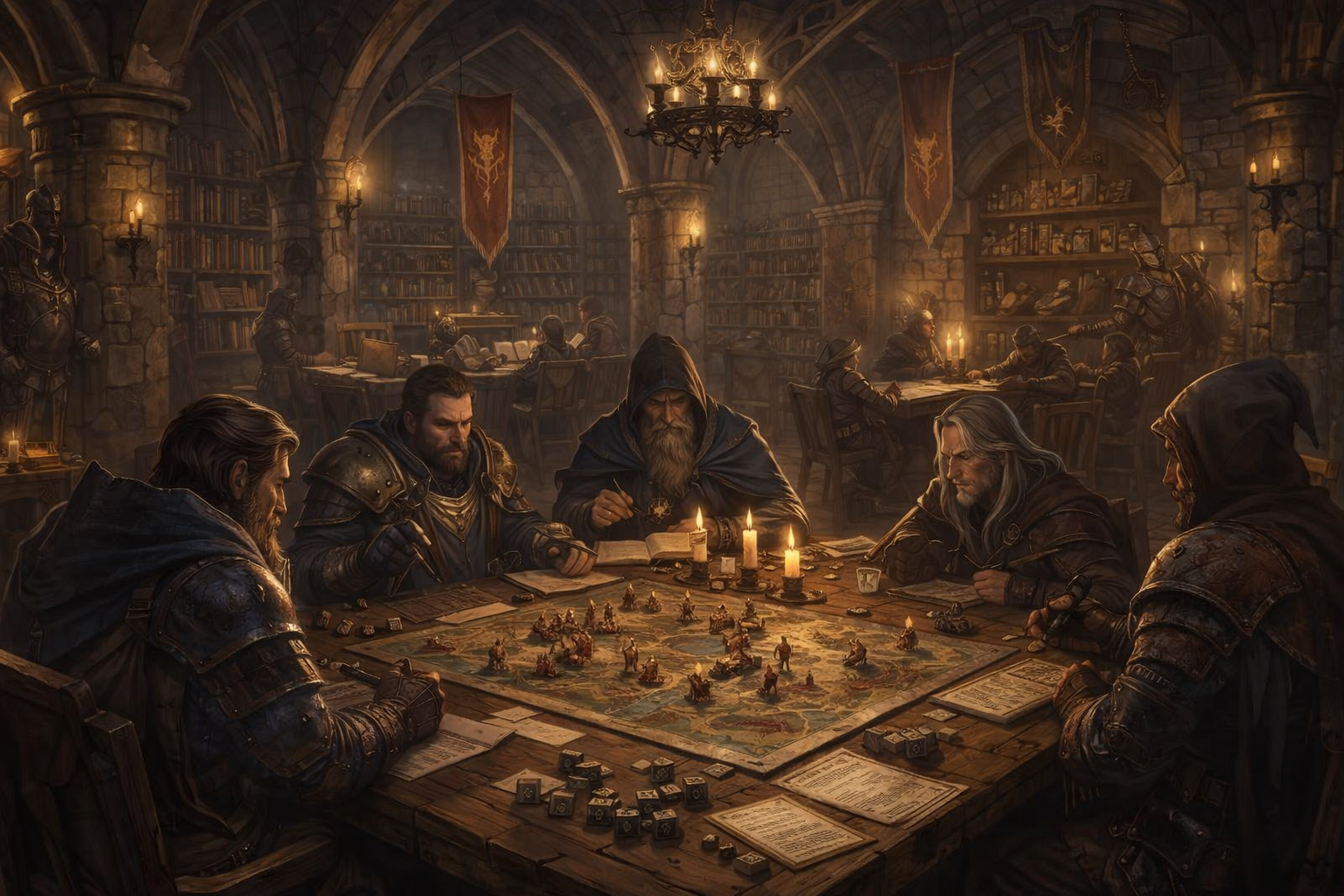
That can mean quieter rooms, better lighting, comfortable seating, cleaner air, enough table space, private booking options, better staff, stronger food and drink service, or an atmosphere that makes the campaign feel special.
For some campaigns, that matters a lot.
A mystery game may need quiet.
A horror campaign may need dimmer lighting.
A political intrigue game may benefit from privacy.
A beginner campaign may need a clean, calm environment where new players feel less intimidated.
A celebration session, finale, or anniversary campaign night may deserve a place that feels memorable.
Venues like Meeples Games West Seattle, ME Cafe & Games Singapore, and Sliced N Diced Birmingham are useful examples of more comfort-forward tabletop spaces.
Food and Drink Are Not Enough
Good food helps.
Good drinks help.
But they do not automatically make a venue better for D&D.
When ya go out to play tabletop RPGs, ya are not there mainly to sniff wine, admire latte art, or pretend the campaign is improved by a prettier plate.
Ya are there to play.
Ya are there to roll dice, make choices, speak in character, solve problems, fail dramatically, deal damage, and build a shared story with the party.
A premium venue must serve that purpose.
If the food is excellent but the staff keep interrupting the table, the room is too loud, the booking is too short, and the party feels watched by non-gaming guests, the venue is failing the campaign.
A good campaign venue should make the game easier to enter, not harder.
Staff Can Make a Venue Worth Paying For
Staff matter more than the menu.
A premium venue becomes genuinely valuable when staff understand tabletop players.
They know that RPG sessions run long. They understand why a group may need privacy. They do not treat character voices or dice rolls like strange behavior. They explain booking rules clearly. They give the table enough space. They do not rush the party unnecessarily.
Good staff can turn a normal venue into a long-term campaign home.
Poor staff can ruin even a beautiful space.
This is why a GM should pay close attention before booking. Watch how the venue treats regulars, new players, large groups, and people asking basic questions.
A polished room with impatient staff is not premium.
It is just expensive.
Atmosphere Must Match the Campaign
Different campaigns need different rooms.
A grim horror game may work better in a darker, quieter space.
A heroic fantasy campaign may work well in a lively but controlled venue.
A tactical combat game may need bright lighting and a large table.
A social comedy campaign may benefit from a noisier, more relaxed environment.
Some players need quiet to concentrate. Some enjoy a drink to loosen up socially, though Mike’s Tavern does not condone overdrinking. Some need bright lighting to read clearly. Others feel more immersed in softer, moodier rooms.
There is no universal premium atmosphere.
There is only the atmosphere that helps yer table play better.
If yer GM is still learning how to read the room, Running Your First Game: Reading the Table Without Anyone Saying a Word is a useful companion piece.
Premium Venues Are Worth It When They Reduce Friction
Sometimes paying more improves the campaign because it removes small problems.
No one has to leave for food.
No one complains about chairs.
The room is easier to hear in.
The table is cleaner.
The lighting is better.
The toilets are better.
The air is fresher.
Players arrive in a better mood and leave less exhausted.
Those things sound small until ya play weekly.
Over time, comfort becomes attendance. Attendance becomes consistency. Consistency becomes campaign survival.
That is when paying more can be worth it.
Cheap Venues Win When They Create Stronger Belonging
Do not underestimate belonging.
A cheap local game store may have rougher edges, but it may also have regulars, staff, and community energy that make players feel rooted in the hobby.
For some parties, that matters more than comfort.
A table surrounded by shelves of dice, minis, books, old posters, noisy regulars, and genuine hobby love can feel more magical than a pristine café that does not understand RPG players at all.
A cheap table wins when players feel free there.
Free to laugh.
Free to roleplay.
Free to be awkward.
Free to ask questions.
Free to belong.
For tables struggling with player confidence or group comfort, Good Tables, Bad Tables Part 1: Signs You’re at a Healthy D&D Table and The Strongest Character at the Table Is the One Who Listens fit naturally with this decision.
The GM Should Ask What Players Actually Value
Do not assume yer players want premium.
Ask them.
Some players would rather pay more for comfort.
Some would rather save money and tolerate rougher conditions.
Some need quiet.
Some need food nearby.
Some care about travel distance.
Some care about atmosphere.
Some care about community more than cleanliness.
Some just want the place where they feel least self-conscious playing pretend with dice.
That last one matters more than it sounds.
A smart GM does not book the most expensive place or the cheapest place.
A smart GM books the place the party can keep loving.
Final Word from the Tavern
More expensive does not mean better in the world of TTRPGs.
Sometimes premium venues genuinely improve the campaign. Better staff, better rooms, better air, better seating, better food, better privacy, and better atmosphere can help players sink deeper into the game.
Sometimes the cheap table wins.
Sometimes the rough little game store with bad lighting and too much cardboard smell gives ya the best campaign of yer life.
The question is not “Which venue costs more?”
The question is “Which venue helps this party play better?”
Start with Mike’s Tavern, browse the Tavern Network, check the Mike’s Tavern FAQ, or reach out through the Contact Page when yer table needs help finding a place worth the price.
More Tavern Network Goodness