
He’s Flirtin’ With the Assassin Again?! Why Romance Campaigns Are a Trap for New GMs
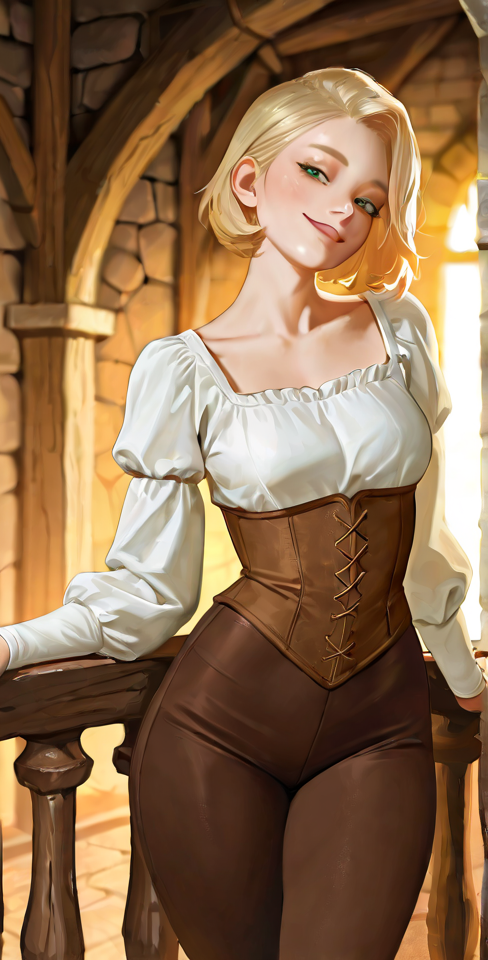
“By Trickin’s cursed coin purse, this lad’s tryin’ to seduce the shadowblade who just poisoned his ale. That ain’t roleplay — that’s plot suicide.”
New GMs always want to impress. Want to say yes. Want to give the party freedom to do whatever, explore whatever, fall in love with whoever. And before you know it?
The rogue’s dating the necromancer.
The bard’s seducing the villain.
The warlock wants to “explore feelings” with the NPC you built to stab them.
And you? You’re tryin’ to balance CR math while makin’ up romantic dialogue on the fly like some star-crossed scribe.
Lad. Stop.
Romance is deceptively dangerous in a TTRPG. Not because it’s evil — but because it’s heavy. It carries emotional baggage, spotlight risk, tone derailment, and more improvised acting than a bard on performance powder.
And if you haven’t learned to handle group dynamics, pacing, and character arcs yet? Romance campaigns are the slippery slope that turns yer session into chaos faster than a cursed goblet in a wedding feast.
Let’s break down why it’s a trap — and what to do instead.
You’re the GM, Not Cupid With a Spellbook
👉 If yer campaign’s startin’ to sound like a tavern soap opera, grab some perspective from GM Wisdom. And if yer NPCs are gettin’ marriage proposals instead of murder attempts, vent it at Mike’s contact scroll. I’ll listen, mock ya kindly, and help ya fix it.
Why Romance Campaigns Derail New GMs — and What to Do Instead
1. Romance Makes Spotlight Balance Harder
When one player’s in a romance arc and the others aren’t, the story shifts toward that player. And suddenly, the whole session becomes their soap opera.
Unless yer good at switching scenes, managing tone, and checking in with the table, this leads to jealousy, boredom, or worse — players disconnecting entirely.
Want examples of tone balance done right? Look at The Goblin Cleric Who Hates Healing But Does It Anyway — deep character, no drama derailment.
2. Emotional Investment Requires Emotional Maturity
Romance isn’t just “roll to seduce.” It’s tension. Rejection. Growth. Conflict.
Most new GMs (and players, for that matter) aren’t ready to play through a breakup, a betrayal, or a misread moment without things gettin’ awkward — or personal.
Want to write strong bonds without the romantic mess? Look at Captain Nail — The Law in Broken Armor. Loyalty, grief, duty — and not a kiss in sight.
3. If a Player Keeps Forcin’ Romance — Call It What It Is
Sometimes it ain’t about the story. It’s about attention.
If the same player keeps flirtin’ with every NPC, derailin’ tension, killin’ tone — you have to stop it.
Say it plainly:
“Hey, I’m tryin’ to keep this story balanced for everyone. Romance isn’t a big part of this campaign — let’s focus on what moves the story forward.”
If they push again? Redirect, or fade to black. Or — if needed — remove the option entirely.
Need help settin’ firm expectations without feelin’ like a villain? If No One Trusts Ya, That’s Not a Roleplay Choice gets to the heart o’ it.
Don’t Let a Romance Arc Collapse Yer Campaign
👉 New GMs need structure — not chaos. Romance is a fine spice, but a terrible stew if it’s yer main ingredient. Until you’re ready to handle the weight, build tales of loyalty, struggle, and shared scars instead. GM Wisdom can show you how — and Captain Nail proves that character depth don’t require a single smooch.
Suggested Reading (With No Flowers or Firelight)
FAQ
Q: Can romance work in a campaign at all?
A: Aye, but only if the GM wants it, plans for it, and the whole table agrees on tone and consent. Don’t wing it.
Q: Should I shut it down completely if I’m not ready?
A: Absolutely. Better to say no early than have the whole table regret it later.
Q: What’s a good replacement for romance arcs?
A: Found family. Duty. Redemption. Secrets. All the flavor — none o’ the awkward.
