

Sometimes you can feel it the moment you sit down.
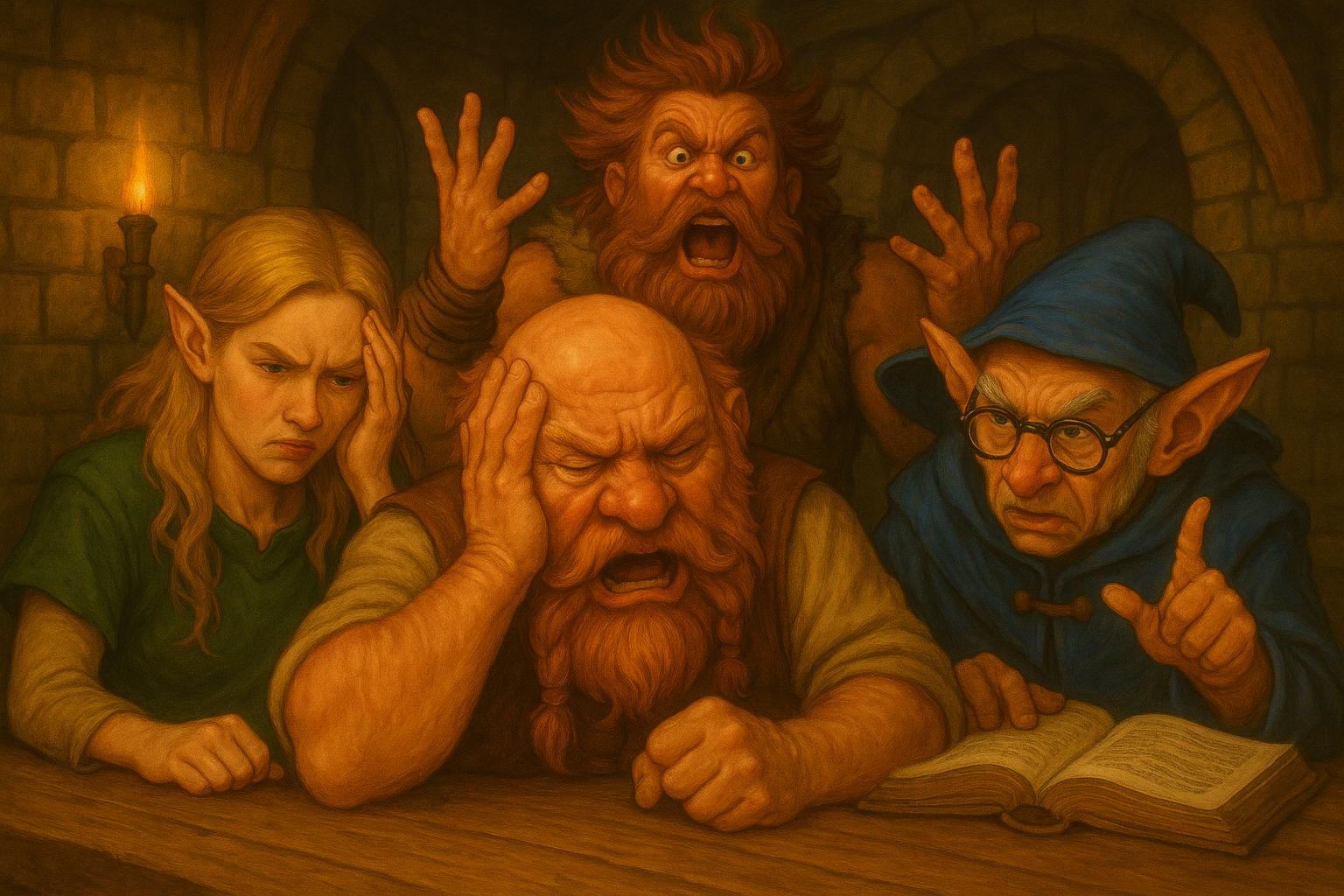
No one’s done anything wrong yet. No dice have hit the table. No jokes have missed. And still, the air feels… tight. Like everyone’s standing a little straighter than they need to. Like laughter’s being measured before it’s allowed out.
By me beard, that feeling doesn’t come from nowhere.
Tables don’t tense up by accident. They tighten because people are reading the room, scanning for signals, and deciding how careful they need to be before they ever start playing.
Mike’s Felt It From the Other Side of the Bar
I’ve watched groups arrive already guarded. Same people who laughed easily last week now choosing words more carefully. Same room. Same rules. Different air.
It’s rarely about one moment. It’s about patterns.
Someone always jumps in first.
Someone always explains.
Someone always reacts a little too sharply.
No single act is enough to call out, but together they tell a story. And that story says, keep your guard up.
Women pick up on this faster than most. Not because they’re sensitive, but because they’ve learned to. When a room feels unpredictable, they adjust before anything actually goes wrong.
That’s not fear. That’s experience.
Tightness Comes From Uncertainty
A relaxed table knows what to expect from one another. A tight one doesn’t.
People aren’t sure how disagreement will land.
They’re not sure whether mistakes will be laughed at or labeled.
They’re not sure if attention will turn sharp or personal.
So they hedge. They soften. They wait.
If you’ve ever seen how comparison and quiet competition creep in unnoticed, The Quiet Damage of Comparison at the Table shows how tension builds long before anyone says a word about it.
Silence Isn’t the Problem
Here’s where most folks get it wrong.
They think the tension comes from silence. So they rush to fill it. More jokes. More chatter. More commentary. Anything to get the room moving again.
By Grabgar’s hammer, that usually makes it worse.
Silence isn’t what tightens a table. Uncertainty does.
If people don’t know how the silence will be treated, they stay guarded. If they trust the room to stay kind, the silence becomes an invitation instead of a threat.
If tempers have ever flared and left a mark on your table, When Losing Your Temper Costs You More Than the Fight explains why even one sharp moment can linger far longer than anyone expects.
Predictability Creates Comfort
Comfort doesn’t come from everyone agreeing. It comes from knowing how disagreement will be handled.
A table feels loose when people trust that:
Disagreements won’t turn personal
Jokes won’t cut sideways
Mistakes won’t be weaponized
When those things are consistent, people stop monitoring themselves. They stop rehearsing. They stop bracing.
If you’ve ever wondered why care sometimes gets mistaken for attention or pressure, Care Ain’t Courtin’, Show Respect, Not Romance draws that boundary cleanly.
What Loosens the Room
You don’t fix a tight table with a speech. You fix it with behavior.
Calm reactions.
Measured responses.
Letting moments land without steering them.
When players see that the room holds steady, they relax into it.
If roleplay starts feeling like a contest for attention instead of shared space, Roleplay Ain’t Theater, It’s Teamwork reminds everyone how breathing room actually works.
Tight Tables Can Be Fixed
👉 The Tavern Etiquette hall exists for moments exactly like this. It’s where we talk about the quiet signals that shape a table long before conflict ever shows itself.
If you’re new here and wondering why this place pays so much attention to atmosphere, the foundation’s laid out at About Mike’s Tavern.
Reading the Room Is a Skill
The best tables aren’t lucky. They’re attentive.
Someone notices when jokes stop landing.
Someone notices when voices get quieter.
Someone chooses steadiness instead of speed.
That’s usually enough to loosen the air.
By me beard, I’ve seen tables recover just by one person deciding to slow down and listen.
When the Air Feels Off
👉 If this piece made you think of a table that never quite settled, you’re welcome to reach out through the Contact Page. No blame. No lectures. Just figuring out how to make good nights last longer.
Most tables don’t fail because of monsters or rules. They fail because no one noticed the room holding its breath.
FAQ
Q: How can I tell if a table feels tight?
A: Watch body language. Short answers, fewer risks, and polite laughter are all signs the air’s gone thin.
Q: Is this something only women notice?
A: No. Women tend to notice earlier, but everyone feels it eventually.
Q: Can one person really change the atmosphere?
A: Aye. Calm spreads faster than tension when someone leads by example.
Q: Should the GM always handle this?
A: Not alone. Table culture belongs to everyone sitting at it.
