
By Margann’s Crusty Beard, She’s a D&D Player, Not a RPG Quest Reward

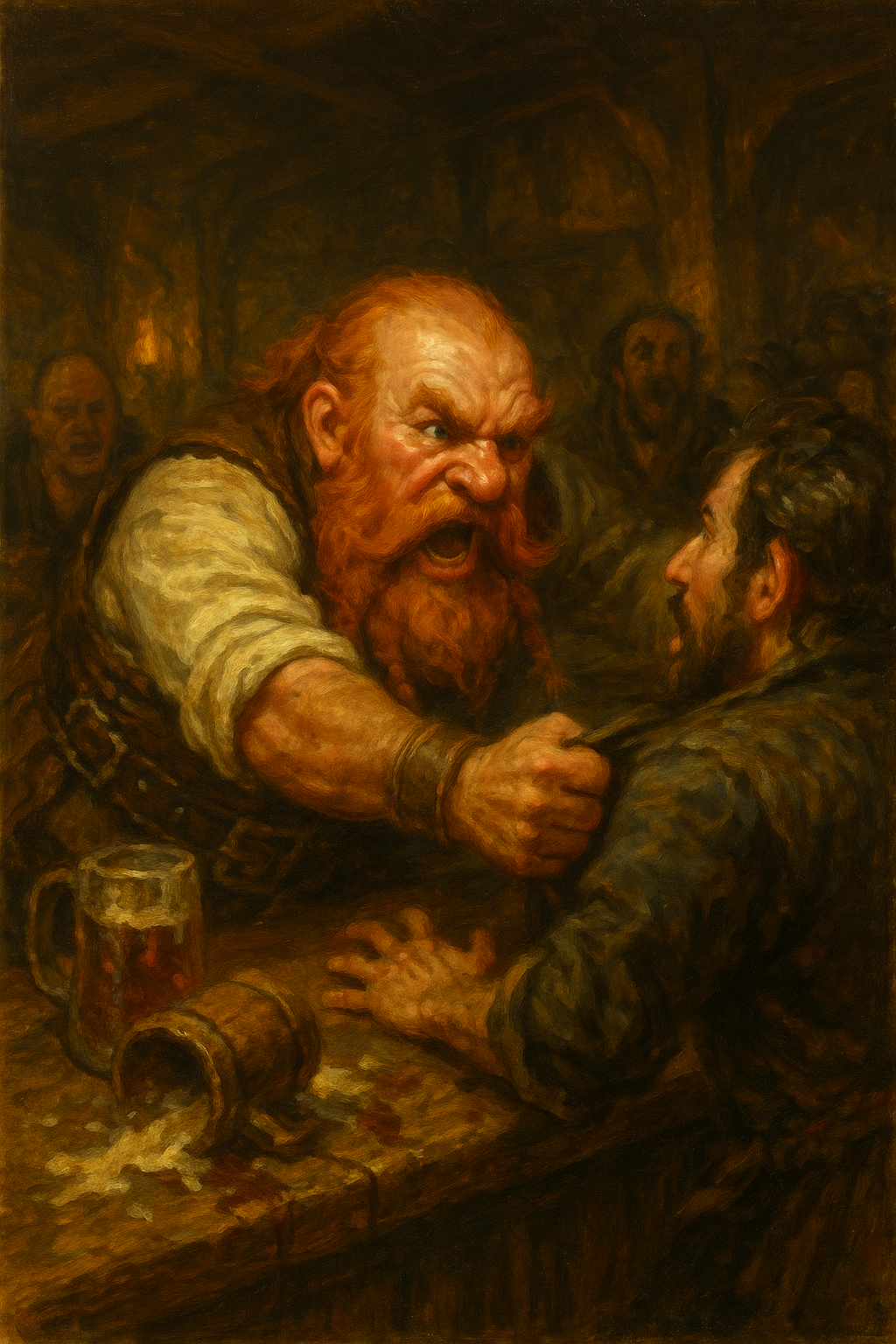
Listen close, lad.
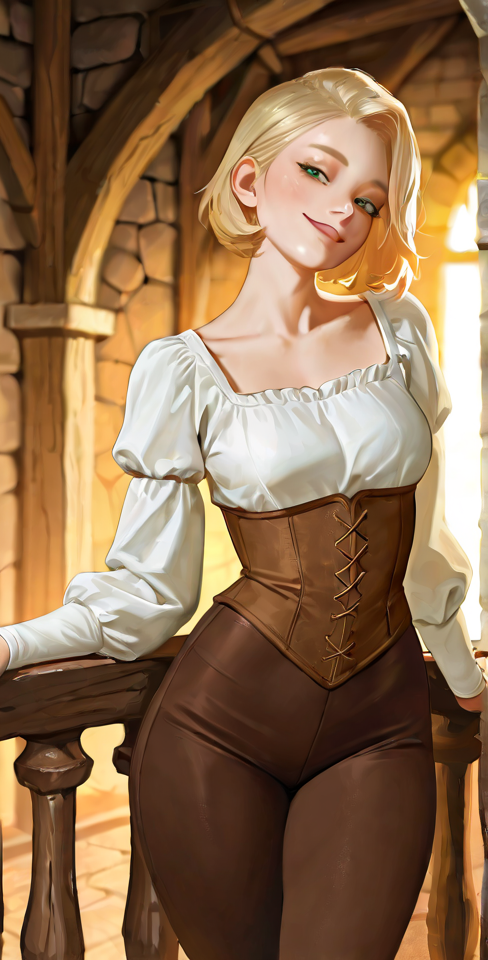
If ye came to the table thinkin’ every woman who rolls dice is a side quest waitin’ for yer approval, ye’ve already failed yer perception check.
This ain’t yer fantasy. It’s everyone’s.
And by Margann’s Crusty Beard, if I catch one more milk drinker flirtin’ across the battle map like it’s a tavern dance floor, I’ll feed him his own character sheet.
Mike’s Tale: The Paladin Who Forgot His Oath
Had a paladin once who fancied himself a hero on and off the field.
Played his part well enough in the campaign, all vows and speeches about honor and light.
But when our sorcerer joined the group, he started treatin’ her like a princess in distress instead of a player at the table.
Every roll, he tried to “protect” her. Every turn, he tried to “save” her.
Didn’t take long before she stopped comin’.
After that session, I told him, “Ye broke the first rule of adventurin’, lad — respect the person before the character.”
He frowned like I’d smacked him with a holy symbol.
So I said it again: “She came here to play, not to survive yer ego.”
If that stings a bit, it should. And if it does, go read Yer Not the Main Course, So Stop Hoggin’ the Spotlight. It’ll remind ye what a table looks like when everyone gets a fair share of the story.
Respect Ain’t Optional
Every D&D and Pathfinder table runs on trust.
The moment ye turn attention into pressure, the game cracks.
A kind word is welcome. A compliment’s fine. But when the whole table starts watchin’ ye circle someone like a wolf with a lute, ye’ve turned fellowship into discomfort.
And here’s the truth of it: real respect don’t need applause.
It don’t need favors, flattery, or winks across the grid.
It just means lettin’ people play without wonderin’ if they’re bein’ watched.
If ye’ve forgotten what real patience and presence look like, take a gander at The Strongest Character at the Table Is the One Who Listens. There’s a reason that one’s pinned to the wall in every decent tavern I know.
The Real Quest Reward
Here’s what most fools miss: the greatest treasure at any RPG table ain’t loot, or levels, or love.
It’s trust.
When players feel safe, the laughter gets louder and the story gets sharper.
Folk open up not because they’re charmed, but because they’re comfortable.
There’s a whole world between friendship and flirtation.
Learn to live in that space. It’s what keeps the table alive.
If ye think that’s softness, go prove me wrong by readin’ That Grudge Yer Clingin’ To? It’s Ruinin’ the Game, Let It Go, Lad. It’s proof that kindness and strength ain’t opposites — they’re twins wearin’ different armor.
The Mid-Tavern Reminder
By Margann’s Crusty Beard, respect ain’t negotiable.
Every player, man or woman, dwarf or elf, deserves a seat free from foolishness.
👉 Find more lessons on table decency at Tavern Etiquette, or stop by About Mike’s Tavern to learn why this old dwarf still runs games after all these years.
Keeping the Table Safe
If ye’re a GM, it’s yer job to guard the tone.
Call out what makes others uncomfortable before it festers.
And if ye’re a player, stand beside yer GM. A safe table ain’t one that never errs — it’s one that corrects itself fast.
If someone’s startin’ to treat the spotlight like their birthright, send ’em to Loot Don’t Mean Leadership, Ya Gold-Grabbin’ Pebble Counter. That one’ll hammer humility back where it belongs.
And if ya need a lesson in what empathy looks like when the party starts driftin’ apart, head to When the Table’s Full But It Feels Empty. It’s a story every GM’s lived once.
Real Heroes Know When to Step Back
The best heroes I’ve played with knew when to shut up and roll.
They didn’t guard people’s hearts like treasure chests, and they didn’t turn fellowship into theater.
They just showed up, played fair, and kept the table steady.
So if ye truly want to be a hero at yer D&D or Pathfinder game, protect yer friends’ peace, not yer pride.
By me beard, that’s the kind of legend that outlasts any campaign.
FAQ
Q: Can I compliment another player’s character?
A: Aye, once or twice. Keep it about the play, not the person.
Q: What if feelings actually happen?
A: Then talk like adults outside the game. Keep the story sacred, not tangled.
Q: How do I stop someone else from crossin’ a line?
A: Speak up quick and quiet. A table built on courage stays safe for all.
